
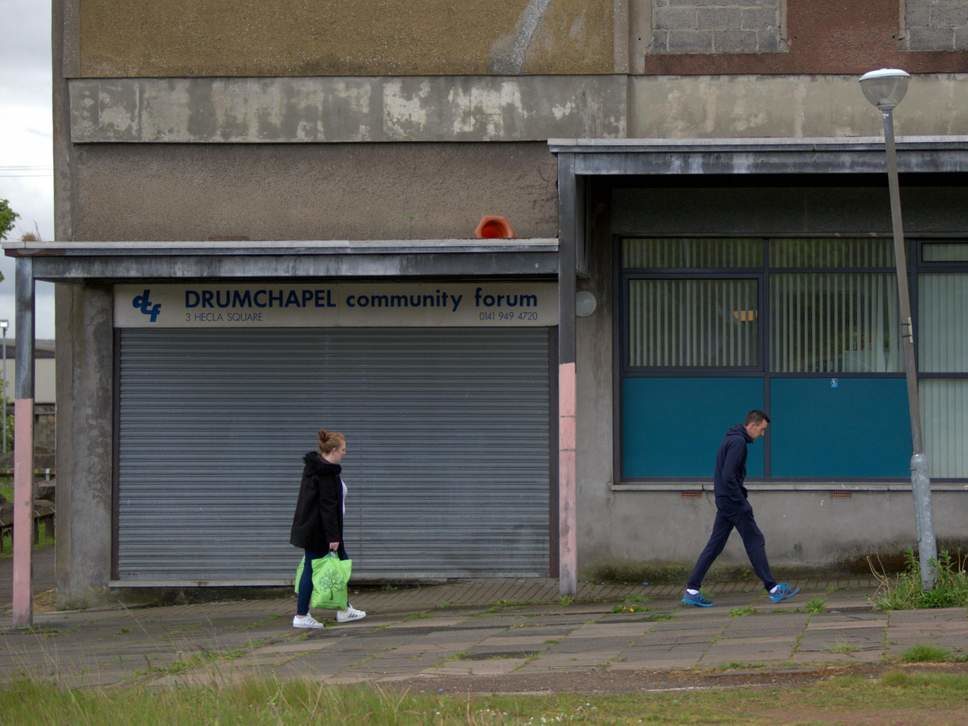
© AlamyEven before the coronavirus, living standards had flatlined amid wage stagnation and austerity.
A study for the Resolution Foundation highlights the precarious position of millions of people's finances as the economic fallout of the pandemic deepens.
It found in a survey that the average worker in a shut-down sector of the economy had just £1,900 in savings in May, compared with £4,700 of savings among those able to keep working from home.
The think tank also compared the experiences of the second poorest fifth of UK households with the highest-income households.
The analysis found one in four poorer families, couples or individuals had increased their borrowing, often on credit cards with high interest rates. Only one in eight high-earning households had similarly taken on more debt.
Similarly, only one in six poorer households had begun to save more during lockdown, whereas one in three households with high earnings had increased their savings as their spending declined.
The think tank argued the contrasts underscored the large and widening wealth gap in Britain going into the crisis. Its report highlighted a £1.4m ($1.7m) gap between



Comment: See also: