
© Karl Tapales Getty Images
The effort, called 1Day Sooner, is not affiliated with groups or companies developing or funding coronavirus vaccines. But co-founder Josh Morrison hopes to show that there is broad support for human-challenge trials, which have the potential to deliver an effective coronavirus vaccine more quickly than standard trials.
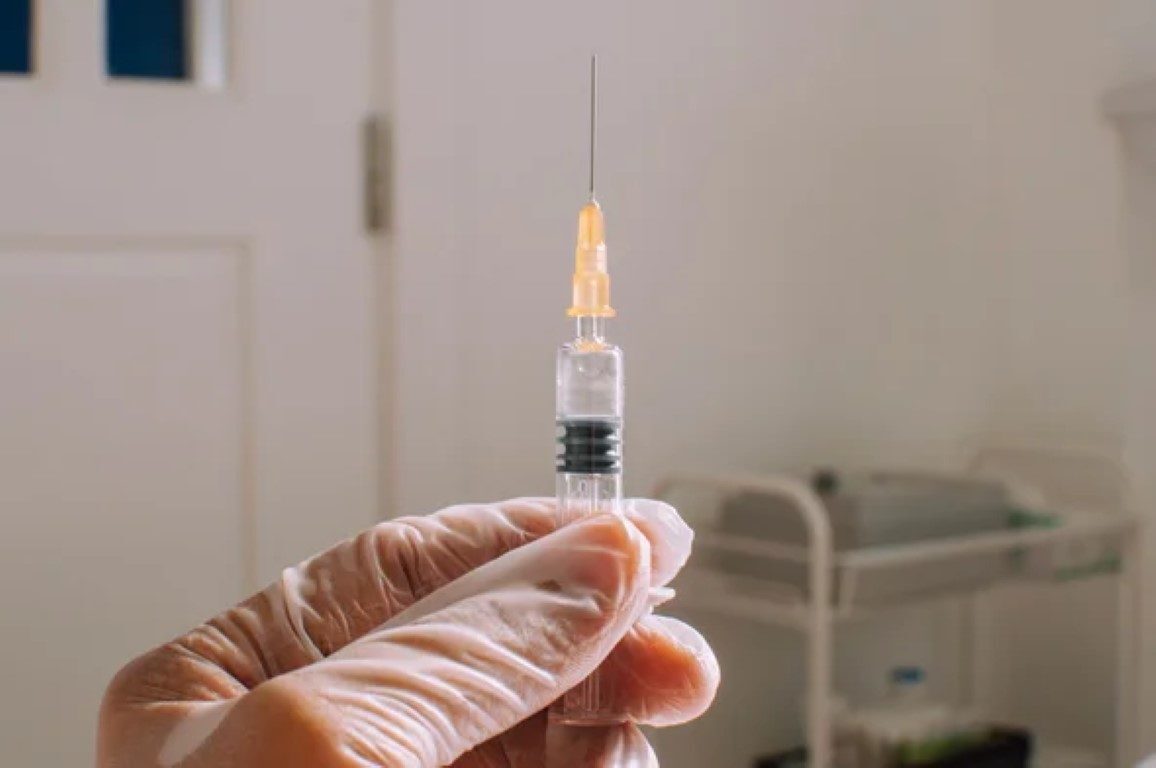
Typical vaccine trials take a long time because thousands of people receive either a vaccine or a placebo, and researchers track who becomes infected in the course of their daily lives. A challenge study could in theory be much faster: a much smaller group of volunteers would receive a candidate vaccine and then be intentionally infected with the virus, to judge the efficacy of the immunization.
"We want to recruit as many people as possible who want to do this, and pre-qualify them as likely to be able to participate in challenge trials should they occur," says Morrison, who is also the executive director of organ-donation advocacy group Waitlist Zero. "At the same time, we feel that the public policy decisions around challenge trials will be better informed if they highlight the voice of people interested in participating in such trials."
Morrison says that the people who have signed up to be part of a challenge trial tend to be young and live in urban areas, and are highly motivated to do something constructive to address the coronavirus pandemic. "Many note that they recognize the risk but believe the benefits of vaccine acceleration are so tremendous that it is worth it to them," he says.
Challenge studies have been conducted before for diseases including influenza and malaria. A team led by bioethicist Nir Eyal at Rutgers University in New Brunswick, New Jersey, argued that a human challenge trial could be conducted safely and ethically, in a paper in The Journal of Infectious Diseases last month.
The approach is also gaining some political support. This week, 35 members of the US Congress, led by Bill Foster (Democrat, Illinois) and Donna Shalala (Democrat, Florida), called on Department of Health and Human Services director Alex Azar to consider human-challenge trials of coronavirus vaccines.
Charlie Weller, head of the vaccines programme at Wellcome, a biomedical-research funder in London, says the charity has begun discussing the ethics and logistics of a human-challenge trial for a coronavirus vaccine. But she says it is unclear whether such a trial could actually speed vaccine development. Researchers first need to determine how to expose humans to the virus as safely as possible, and to consider how and even whether such studies can be done ethically. "I think there's potential," Weller adds, "but we've got so many questions to work through to understand whether it can help in the timelines we have."





Comment: They've got it completely backwards - the danger involved in these trials is much more likely to come from exposure to the vaccine than exposure to the virus. Considering previous iterations of coronavirus vaccines have caused lung inflammation and death, these volunteers are really putting their lives at risk. One wonders if this fact will make it on to the consent forms in the study.
See also: