

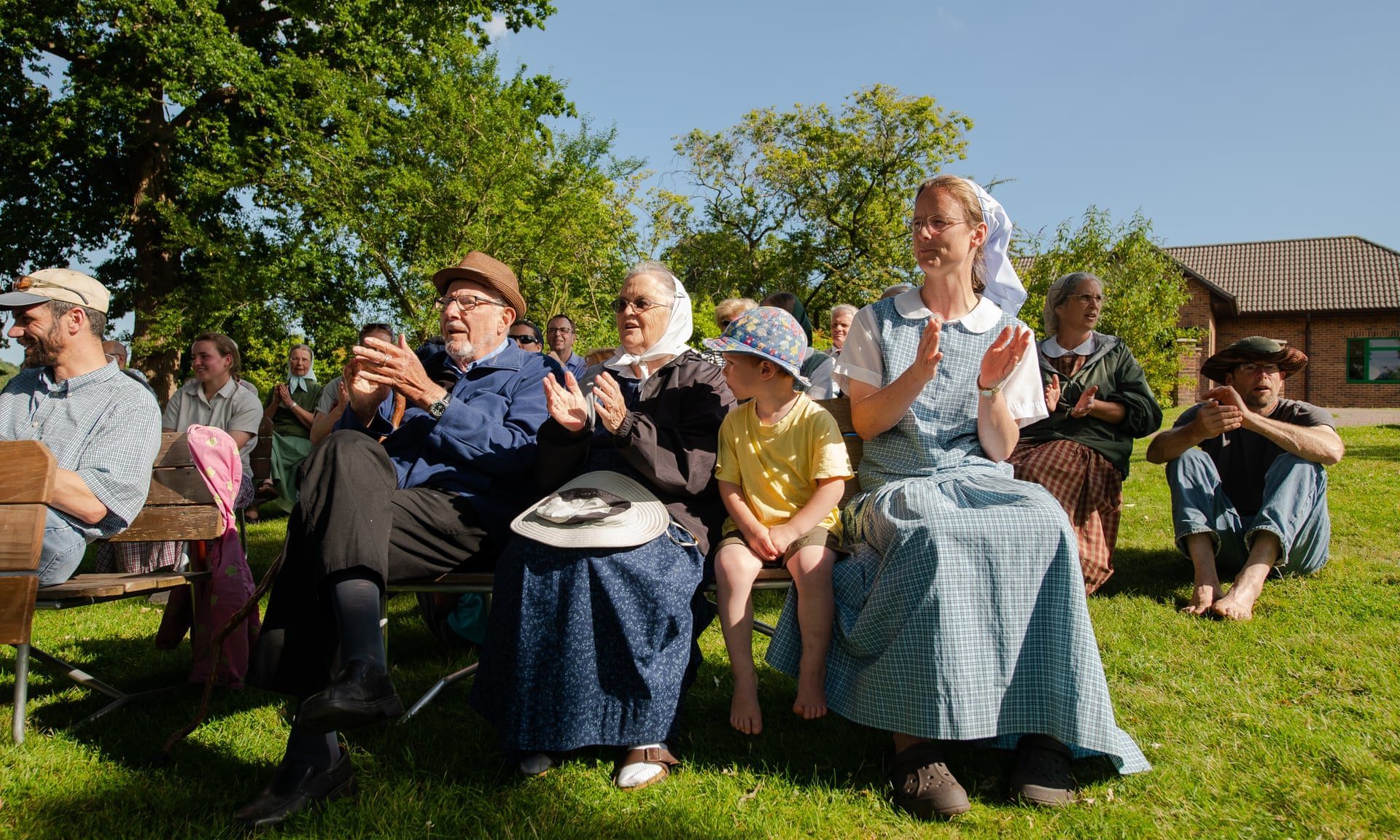
The Bruderhof is a radical Christian movement, founded 100 years ago, that comprises 3,000 members living in 23 settlements around the world. Inside the Bruderhof (BBC One) followed the lives of some of those ensconced in Darvell, their Sussex enclave. Bernard Hibbs, who has lived there for 30 years, explains that their purpose "is to follow Jesus as closely as possible, especially the Sermon on the Mount, and not wait for some future glorious kingdom to come". To this heaven-on-earthly end, the Bruderhof live as collectively and non-hierarchically as possible. Possessions are shared, clothes (many made on site) are issued from a central repository, food also comes from a central store and is cooked and eaten communally. There's a farm, a school, a laundry and no electricity, smartphones or other technology.
© Alecsandra Raluca Drăgoi/The Guardian
One of those followed was Hannah, 18-year-old daughter of Ruthie and Mark and a third-generation Bruderhoffian, who was preparing to embark on their version of the Amish rumspringa - living for a year in the outside world so she can make an informed decision about committing to the sect for life. She will live with a Bruderhof foster family in - I suppose it shouldn't sound unlikely, but it does - Peckham, south London. Mark, an American, did his God-gap year in South Carolina - "Tough times ended up being good times. And I learned to pray real fast!" He hopes Hannah will learn that people lead different lives "and that it doesn't matter. God works in many colours."
Hannah's mother is more conflicted. "I hope you learn to depend completely on God," she tells her daughter. It's the kind of line that could raise secular hackles, but such was the considered pace and mood of the film that instead you found yourself wondering if the sentiment wasn't one we all share: listen to your conscience; don't give in to outside pressures; above all, be steady.
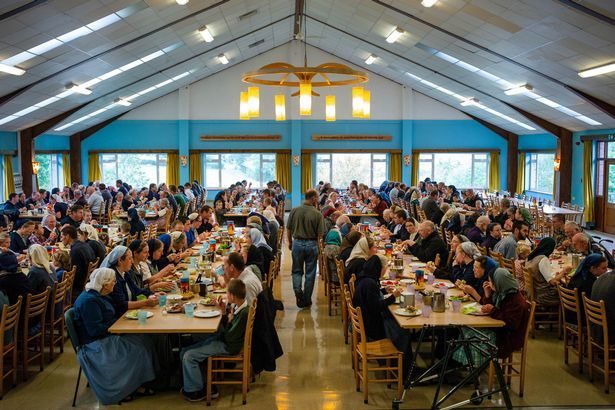
© BBC/CTVC/Danny BurrowsMembers eat together in a large communal dining room
Less controversial problematic areas were better confronted, such as the overtly old-fashioned dress for the women (a result of the greater changes there have been in women's clothing than men's, says Hibbs, rather than any deliberate emphasis on female modesty) and the traditional split along gender lines in work and domestic duties. Women in the kitchen and laundry, men in the factory and farms is still how God wants it, apparently.
There was time and space to consider the ramifications of living in this semi-communal, unacquisitive, self-abnegating way. To ponder the wisdom, or otherwise, of the claim of one of Hannah's companions in Peckham that it is hard to form genuine relationships in a world fixated on lifestyle and appearance or that women don't realise how enslaved they are by consumerism. To look at Hardy's contentment, having sacrificed his worldly ambitions (his term) to return to the community in which he grew up and contribute to the greater good ("From a selfish point of view I would be happier elsewhere [but without] the peace which I found in this place"), and wonder. Just wonder.
Good documentaries, like good Christians, will make you do that.
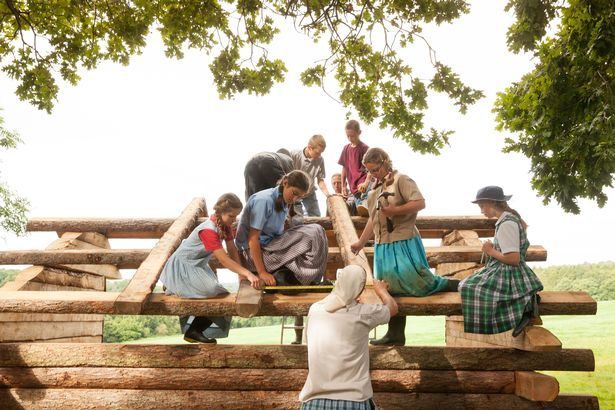
© BBC/CTVC/Toby LloydChildren from the Bruderhof Community in traditional clothing



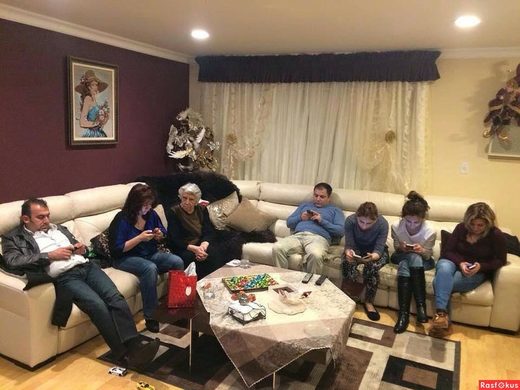
Comment: That sounds like a success story. Elsewhere, we read that: There have actually been many like it for several centuries, also German-Protestant in origin, and generally flourishing in the US. What they're partially recreating is monastic life, a strong feature of the medieval period in Europe. In any event, it can work, even in the modern environment.
If we were to quibble about the above set-up though, there would ideally be no externally-mandated rules about dress, relationships, belongings, money and much that is personal. True colinearity towards a group aim ought to come from individually-realized principles or rules, and 'works' - creative and pecuniary - that are voluntarily given.
For example, people would just know, from their own basic rearing and miminal social feedback, what is or is not appropriate to wear in specific circumstances; there's no need for archaic uniforms.