
© Sergei Karpukhin / Reuters
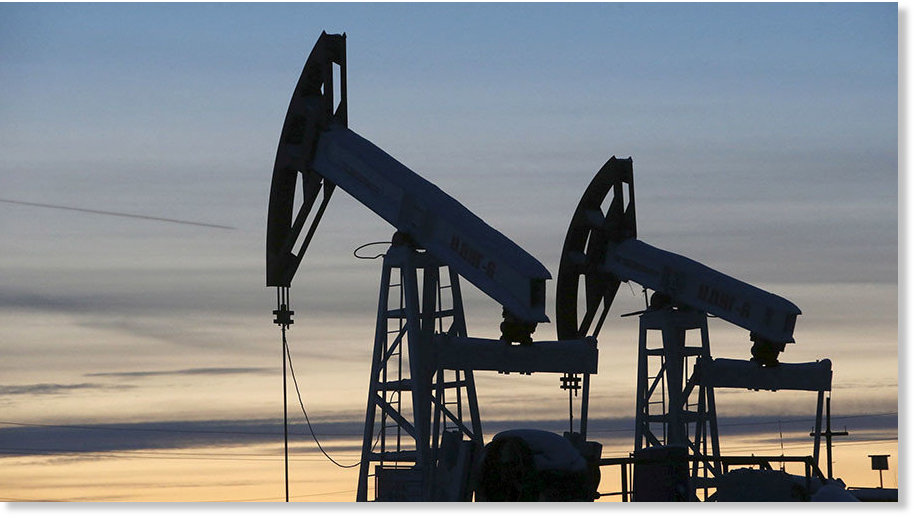
US West Texas Intermediate (WTI) dipped to $39.86 - its lowest level since April 20 - before settling at $40.75 a barrel as of 14:00 GMT. The North Sea benchmark Brent crude rose 89 cents to $43.03 per barrel.
"The world is so oversupplied and the pace of rebalance is so slow that even geopolitical factors such as the ongoing civil strife in Nigeria are not enough to offset the fall in prices," said Gao Jian, an energy analyst at SCI International as cited by the Wall Street Journal.
Crude prices rallied earlier in the summer on the back of wildfires in Canada and oil worker strikes in Kuwait. However in recent weeks, they have come under renewed pressure due to increased US oil drilling activities, Libya's expected return to the export market, and the possible output increase by OPEC members Iraq and Iran.
That made investors shift their focus back to the oversupply issues, saying it might take longer than expected for supply and demand to rebalance. Oversupply could bring crude back to $35 per barrel, analysts warn.
Mike Dragosits, senior commodities strategist at TD Securities, identified $35 as a critical support level. "I think if it got down to $35, you'd have people stepping in. The fundamentals are a lot better than they were at the beginning of the year," Dragosits told CNBC.
Iran's Oil Minister Bijan Namdar Zanganeh told state television that the market was oversupplied but predicted balance to be restored.
According to a Bloomberg poll of at least 20 analysts, the crude market may rebound to $57 per oil barrel in 2017.
"We're looking at a market that's still in a very slow process of rebalancing and we don't think that you'll get a sustainable deficit until the second quarter of 2017," said Michael Hsueh, a strategist at Deutsche Bank. "Those deficits are necessary to draw down global inventories, but that will still take until the end of 2018, it appears," he said.

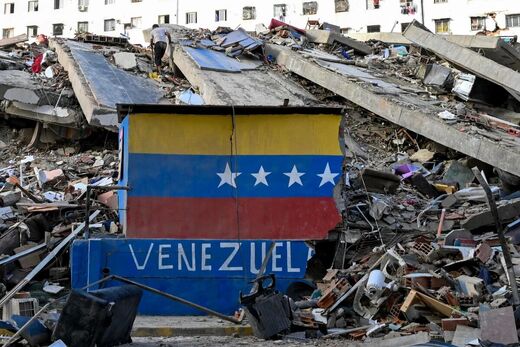
Comment: One has to wonder if the crude oil price is intentionally being kept low by Western agents in order to negatively impact the Russian economy. It's quite likely. Unfortunately, other countries are experiencing collateral damage in the West's Cold War against Russia, as Kuwait plans to increase the cost of gasoline by 80 cents starting September 1, along with increasing the cost of electricity and water at the same time. Market manipulation is also impacting the stock market, as Goldman Sachs told its customers to avoid stocks for the next three months. Is there something on the horizon in the coming months to leave financial prognosticators so cynical about the market? One can't help but be concerned after reading the tea leaves.