
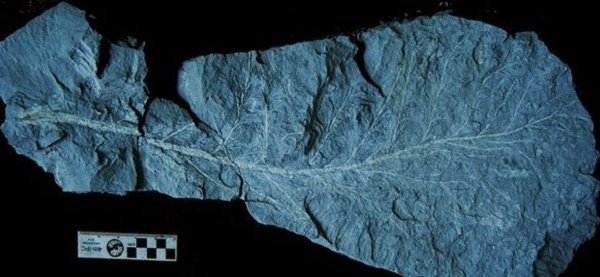
© Unknown
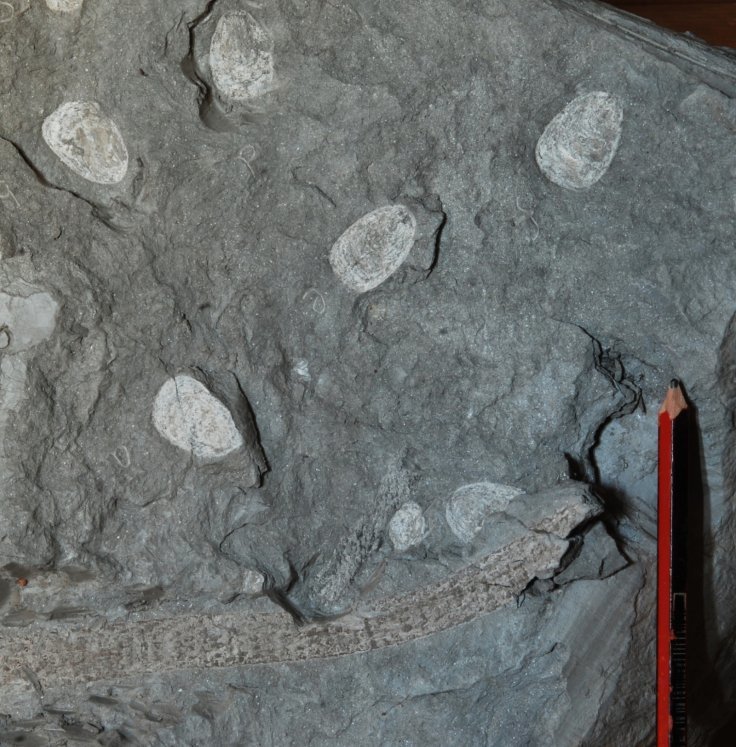
© UnknownBivalve fossils found at the site
Read the full article here.

Forget all this crap, the dude is already dead. He has been dead for weeks now. There are enough hints about it. I don't see the point enumerating...
Throughout history any attempt like this to integrate one country's 'intelligence' apparatus with another's would be considered 'high treason' and...
Hard to know what turns them on more?
The West has shot itself in the foot SO many times that it has had to move up past the ankle to the knee! Some would probably say that it went up...
Sorry, bad morning, I was quite bitter. I had a lot of my livestock killed over night. Total piss off. I'd rather not post the link it's on...
To submit an article for publication, see our Submission Guidelines
Reader comments do not necessarily reflect the views of the volunteers, editors, and directors of SOTT.net or the Quantum Future Group.
Some icons on this site were created by: Afterglow, Aha-Soft, AntialiasFactory, artdesigner.lv, Artura, DailyOverview, Everaldo, GraphicsFuel, IconFactory, Iconka, IconShock, Icons-Land, i-love-icons, KDE-look.org, Klukeart, mugenb16, Map Icons Collection, PetshopBoxStudio, VisualPharm, wbeiruti, WebIconset
Powered by PikaJS 🐁 and In·Site
Original content © 2002-2026 by Sott.net/Signs of the Times. See: FAIR USE NOTICE

Reader Comments
to our Newsletter