

© AFP Photo / Pascal GuyotA boy stands next to shepherds arriving in a pirogue with their cattle on the banks of the Niger river, near Timbuktu, on February 4, 2013
The violence which has encompassed northern Mali has put much of the country's road traffic to a standstill, leading to a severe lack of food, medicine and fuel. The heath and food crisis is putting 18 million people at risk of malnutrition.
It's a situation that could have a devastating outcome.
"In this part of the region, in Mopti, there are about 7,000 refugees. Children suffer the most. Unless medication is brought in, the centers treating malnutrition would face tragedy," journalist Gonzalo Wancha told RT.
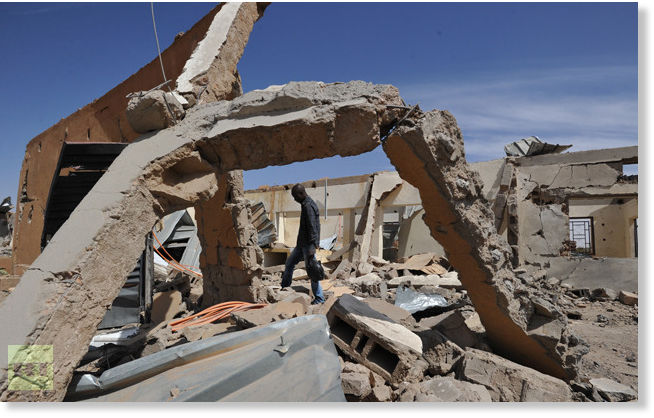
© AFP Photo / Sia KambouTroops from Niger and Mali on January 29, 2013 entered the town of Ansongo which along with Gao was recaptured by French-led soldiers over the weekend in a lightning offensive against radicals holding Mali's north
"Negligence was the cause of malnutrition before, but now, amid this crisis, most children are suffering dizziness," Emilia Some, from the Mopti Sanitar Center, said.
But malnutrition is just one of many worries affecting the people of northern Mali.
An estimated 14 civilians have been killed in the town of Konna, Wancha reported.
Residents of the town of Konna experienced tragedy firsthand, after aerial attacks struck their village.
But the circumstances surrounding one particular airstrike - which killed at least four people - remain foggy.
"We've been calling for a full investigation because French sources say the aerial strike launched by the French took place in the afternoon around 4pm. But what we've heard is that there was an aerial strike by a helicopter at 10am on January 11," Tirana Hassan from Human Rights Watch told RT.
And while innocent civilians continue to pay the price for freedom, the question of whether the region is actually in a worse state than it was before French troops arrived is up for debate.
"Whether or not life is better now is a difficult one to say. People are still obviously living in a time of insecurity but what we know is that there have been [human rights] abuses," Hassan said.

Reader Comments
to our Newsletter