Storms have taken over the territory of Goiás. The Center for Meteorological and Hydrological Information of Goiás (Cimehgo) had already issued an alert for heavy rains at the beginning of the week , in the state there are regions where the volume of water exceeded 100mm on Tuesday alone (25).
According to the monitoring agency, Anápolis, which is among the 133 cities on alert for storms, recorded between 26mm and 54mm of rainfall until 8 am. The peak, according to information from the city's Civil Defense, occurred at 2 am with 26.8mm/h. The forecast indicates that the rains will continue throughout the day.
The most worrying situation occurred in Rio Verde, in the Southwest of Goiás. Cimehgo details that 59.6mm of water fell in just 10 minutes. Between 1:50 pm and 2:20 pm this Monday (24) the volume reached 80mm, equivalent to what is expected for six days.
Tropical depression Verbena drenches central Philippines, displacing thousands and triggering widespread floods
Tropical Storm Verbena (Koto) made its seventh landfall in Linapacan, Palawan, at 10:50 pm on Tuesday, November 25, then began moving away from the area.
Verbena's previous landfalls were in these areas, all as a tropical depression:
Monday, November 24
- Bayabas, Surigao del Sur (1:30 pm)
- Jagna, Bohol (11:10 pm)
In southern Brazil, hailstones the size of baseballs pelted the region, causing damage to residents. On the 24th (local time), Yonhap News reported, "According to the government of Rio Grande do Sul state and the authorities in Erechim, strong rain accompanied by hail fell in Erechim for about 20 minutes the previous afternoon." On the same day, more than 100 people in the neighboring state of Parana reported damage to their homes due to sudden hail.
This hail was strong enough to break tree branches and damage power lines. Reports indicated property damage such as roofs and walls being destroyed at 35 schools and hundreds of homes in the city. Additionally, 152 residents were treated at hospitals after being struck by hailstones or debris from buildings broken by the hail, including injuries to the head and other parts of the body.
Giant hailstones have rained down in Australia's Queensland state and more than 95,000 homes were left without power on Tuesday as a powerful spring storm swept through the country's east coast.
Hail as large as 14 cm (5.5 inches) was reported overnight in the city of Brisbane, the nation's Bureau of Meteorology said, damaging cars, solar panels and roofs.
The wild weather also produced winds up to 100 kph (62 mph) and more than 800,000 lightning strikes, downing power lines and cutting off power for more than 95,000 customers, energy distributor Energex said.
More severe storms were forecast for Tuesday across south-east Queensland and north-east New South Wales as high humidity and hot weather persisted, the weather bureau said.
"Severe storms are still expected today across much of the south-east," Senior Meteorologist Miriam Bradbury told national broadcaster ABC.
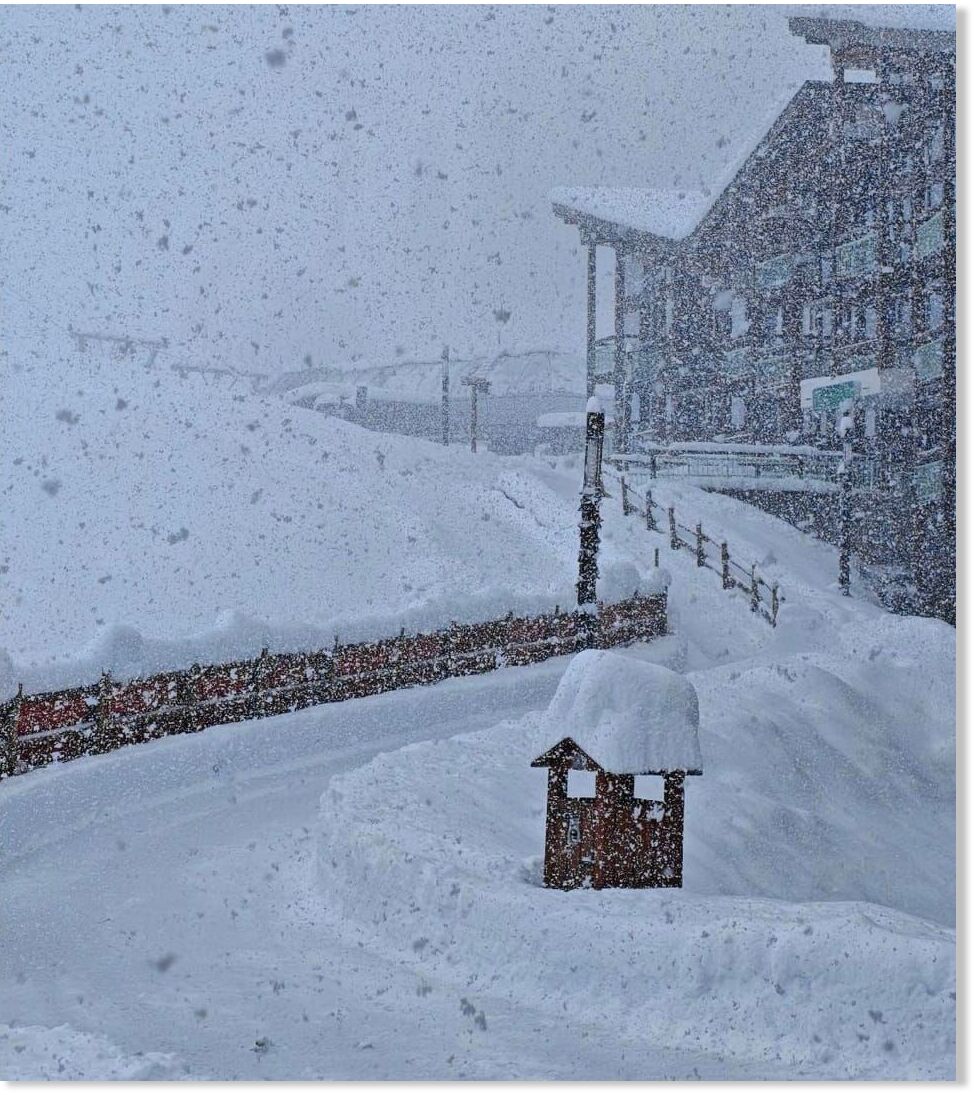
The Alps have been transformed by a wave of heavy snowfall in recent days, setting up excellent early‑season conditions for skiers and snowboarders. Resorts across France, Switzerland and Austria are reporting accumulations that have rapidly improved slopes ahead of the busy December period.
However, avalanche warning levels are also up - widely at level 3 (considerable) and in parts of the Western alps in France and Switzerland up at level 4 - high.
The biggest 72-hour totals so far came from resorts preparing to open in the coming weeks, including Chamonix (1 metre), Val d'Isere (81cm), Courchevel (80cm), Alpe d'Huez and Les 2 Alpes (70cm each) and Crans Montana (60cm) and As well as these high slopes totals, snowfall has also reached valley floors for the first time this autumn. There's been less snowfall in the Central and Eastern Alps so far but Austrian ski areas are reporting 20 - 40cm accumulations, with more snow forecast through the week.
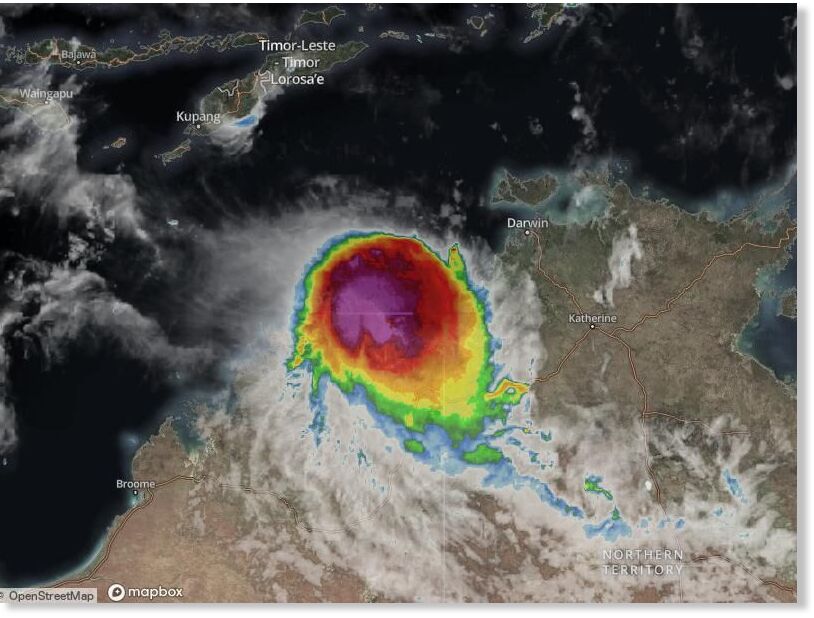
Australia's north is bracing as Tropical Cyclone Fina has intensified to a category three system and its winds have begun to be felt in Darwin.
ABC News said serious damage was being felt, including increased reports of trees going down across Darwin, blocking roads.
A number of suburbs had lost power, across Darwin, Palmerston, rural areas and the Tiwi Islands.
Emergency shelters had been opened in Darwin.
Locals were expecting a heavy cleanup day after the cyclone passes, on Sunday, but for now authorities called on residents to focus on staying safe, and indoors.
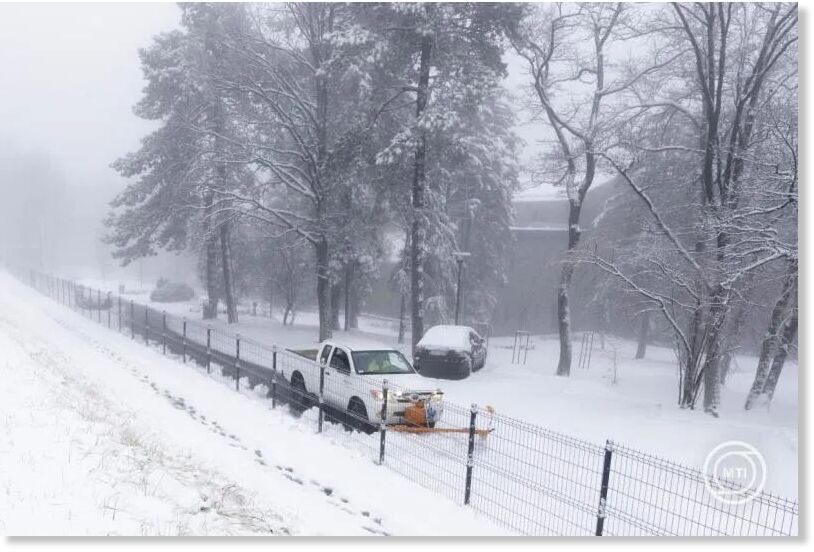
Saturday's intense snowfall caused major disruptions across western Hungary, leaving several settlements inaccessible, closing roads, and prompting firefighters to assist stranded vehicles. In many areas, more than 10 - 15 centimetres of snow fell, significantly hindering transport.
Snowfall leaves several settlements inaccessible by bus
According to the MÁV Group, multiple settlements in four counties - Baranya, Somogy, Veszprém, and Zala - were already unreachable by bus on Saturday evening due to deteriorating road conditions. In Baranya, Liget became inaccessible; in Somogy, Kaposdada and Zsippó; while in Veszprém County, Bakonybél, Hidegkút, Jásd, Kislőd, Lókút, Öcs, and Tés could no longer be reached, Hungarian News Agency MTI reported.
The situation was particularly severe in Zala County. Bagod, Becsvölgye, Csapi, Kustánszeg, Milejszeg, Nemeshetés, Nemespátró, Vaspör, Zalacséb, Zalaháshágy, and Zalaújlak all became unreachable by regional bus services. In several districts of Zalaegerszeg - including Szenterzsébethegy, Bazita, and Ebergény - local bus services also came to a halt.
Ben Pawlowski Olive Press Sat, 22 Nov 2025 15:03 UTC
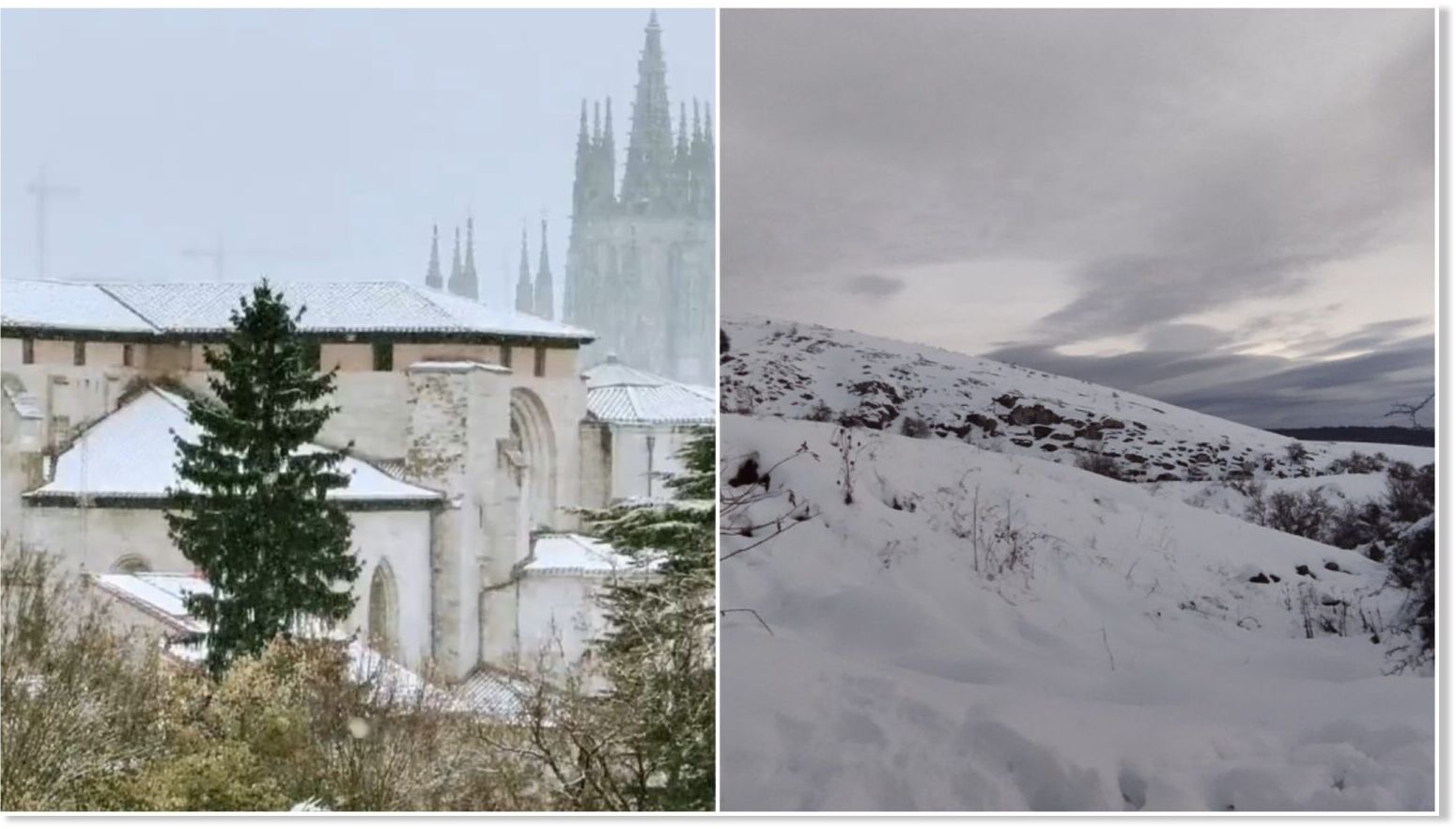
HEAVY snowfall has blanketed large swathes of northern Spain this weekend after a teeth-chattering Arctic blast plunged temperatures across the peninsula.
Earlier this week, the state weather service Aemet issued an orange weather alert warning that flakes would fall - and the predictions proved correct with much of Spain feeling the freeze.
With temperatures up to ten degrees lower than normal for mid-November, the snowline in elevated areas dropped as low as 500 metres.
Temperatures plunged to -10C near the Pyrenees as the wintery weather set in, with snow causing widespread disruption on elevated roads.
To make matters worse, gusts of over 60km/h have added an extra chill to the cold conditions.
From Sunday, the mercury is forecast to finally climb back towards levels more normal for late autumn.
Comment: More videos from Houston area: