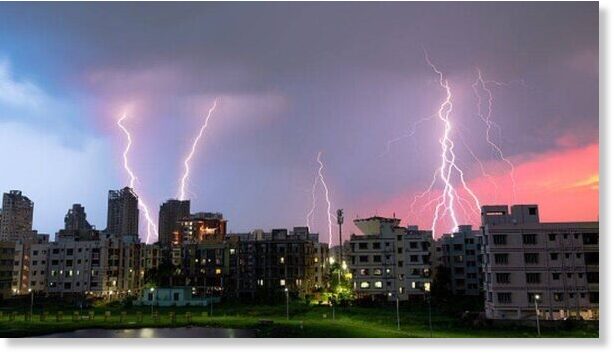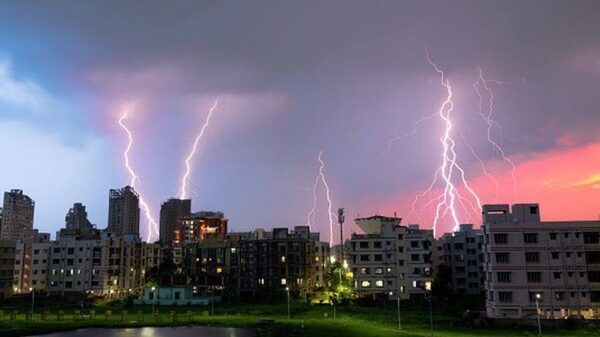
India recorded more than 18 million lightning strikes between April 2020 and March 2021.
Last March, four gardeners working in a condominium in Gurgaon, a suburb near the Indian capital, Delhi, took shelter under a tree during a downpour.
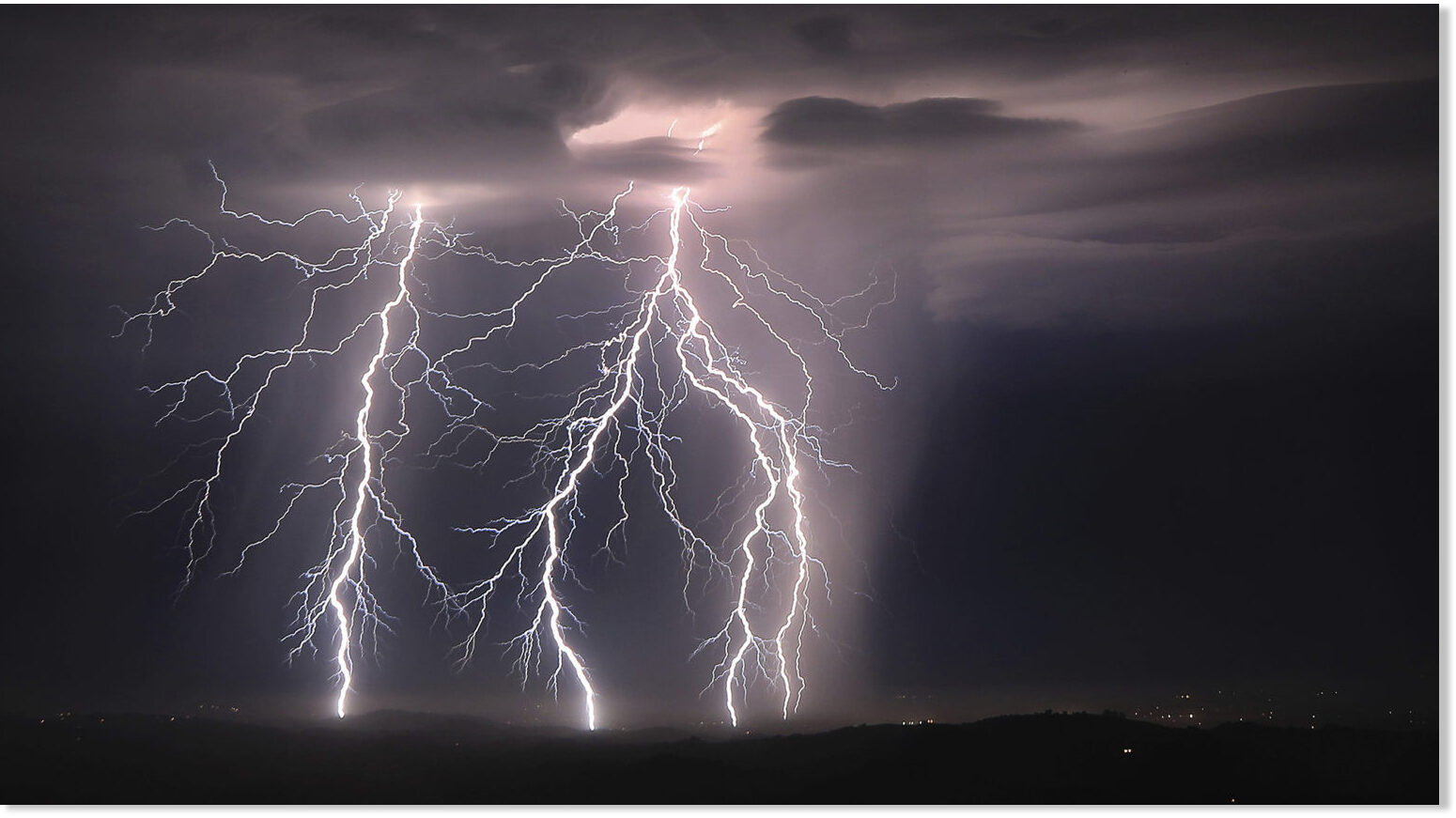
Within minutes, an orange flash raced down the trunk followed by pealing thunder. Lightning usually lasts under a second. A typical lightning flash measures about 300 million volts and 30,000 amps - enough to kill. It can cause the air around it to heat up to temperatures that are five times than that on the surface of the sun.
The four men fell to the ground. One of them died, while the others survived with burns.
"I don't remember what happened to me and how it happened. In a matter of seconds, everything was destroyed," one of the survivors told a newspaper.
His colleague was one of the more than 2,500 Indians who lose their lives to lightning every year. Lightning strikes have killed more than 100,000 people in the country between 1967 and 2019, according to official data. This is more than a third of fatalities caused by natural hazards during this period. Survivors might have to live with symptoms such as weakness, dizziness and memory loss.