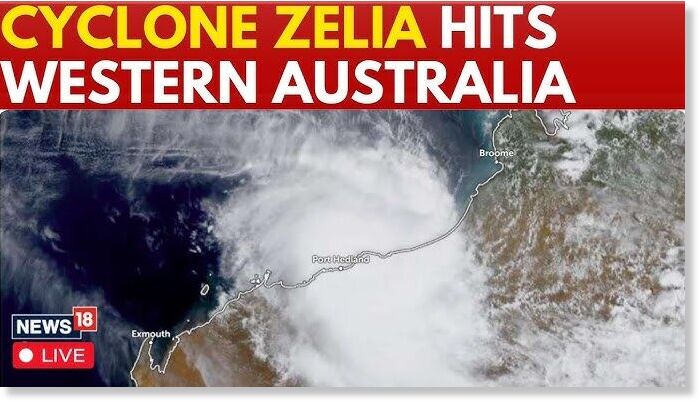
Tropical Cyclone Zelia made landfall on Australia's west coast on Friday, the weather bureau said, lashing the world's largest iron ore hub with heavy rain and wind gusts up to 180 miles an hour.
The eye of the storm crossed the coast east of Port Hedland just after 12 p.m. (11 p.m. ET Thursday) as a category five cyclone, the highest rating on the scale.
It then moved south and weakened to a category four, sparing the town's population center from its most destructive winds.
"This is a very dangerous system that will cause significant impact and is causing impacts as we speak," said Matthew Collopy, a forecaster with Australia's Bureau of Meteorology.
Cyclone Zelia is the most severe storm to hit the Pilbara coast since Cyclone Ilsa in April 2023.
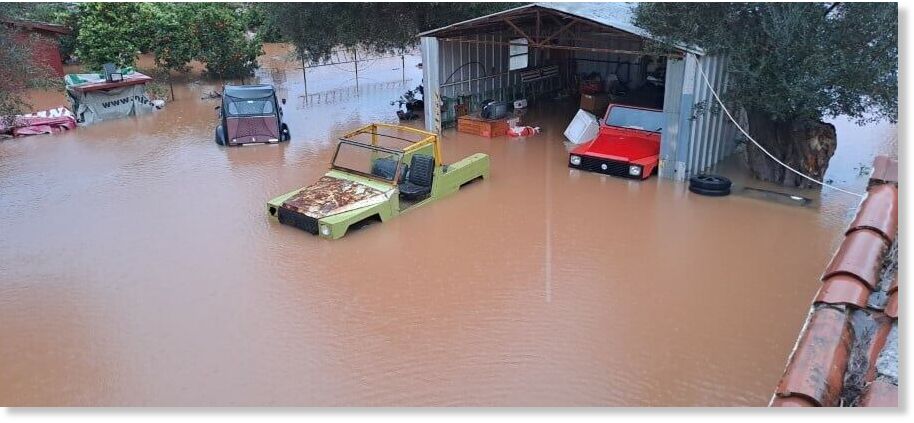
Heavy rainfall on Thursday night and early Friday morning has caused widespread disruption across Kefalonia, leaving families trapped in vehicles, flooding homes and streets, and triggering landslides and debris flows.
The region of Livathous, in the southern part of the island, bore the brunt of the extreme weather conditions, with significant damage reported to the road network, transport links, and infrastructure. According to local media, parents and children were trapped in their cars, while many drivers were stranded for hours as they attempted to leave the area.
Traffic was severely disrupted, with vehicles arriving from Kyllini being forced to take a longer detour through Sami to reach Argostoli. Some residents were also compelled to find alternative routes to reach the island's capital.
The situation was particularly dire in Karouza, where landslides once again blocked roads, prompting emergency crews from the regional authority to work on clearing access routes. The Argostoli-Poros road was rendered impassable near Vlachata, close to the local cemetery, due to land subsidence and water accumulation.
Heavy rain leads to emergency operations as Portoferraio faces significant damage and danger.
Severe flash floods have wreaked havoc on Elba Island, particularly affecting the main town of Portoferraio, where over 65 millimeters of rain fell within just one hour. This deluge has led to extensive flooding, with city officials and emergency services scrambling to respond to the crisis.
The local mayor took to social media to warn citizens of the dire situation, stating, "Emergency flood situation. The situation is extremely serious in Portoferraio. Do not use cars, do not come toward Portoferraio, and do not try to leave; access routes are blocked." This urgent message highlights the serious risks posed to residents caught off guard by the sudden and intense storm.
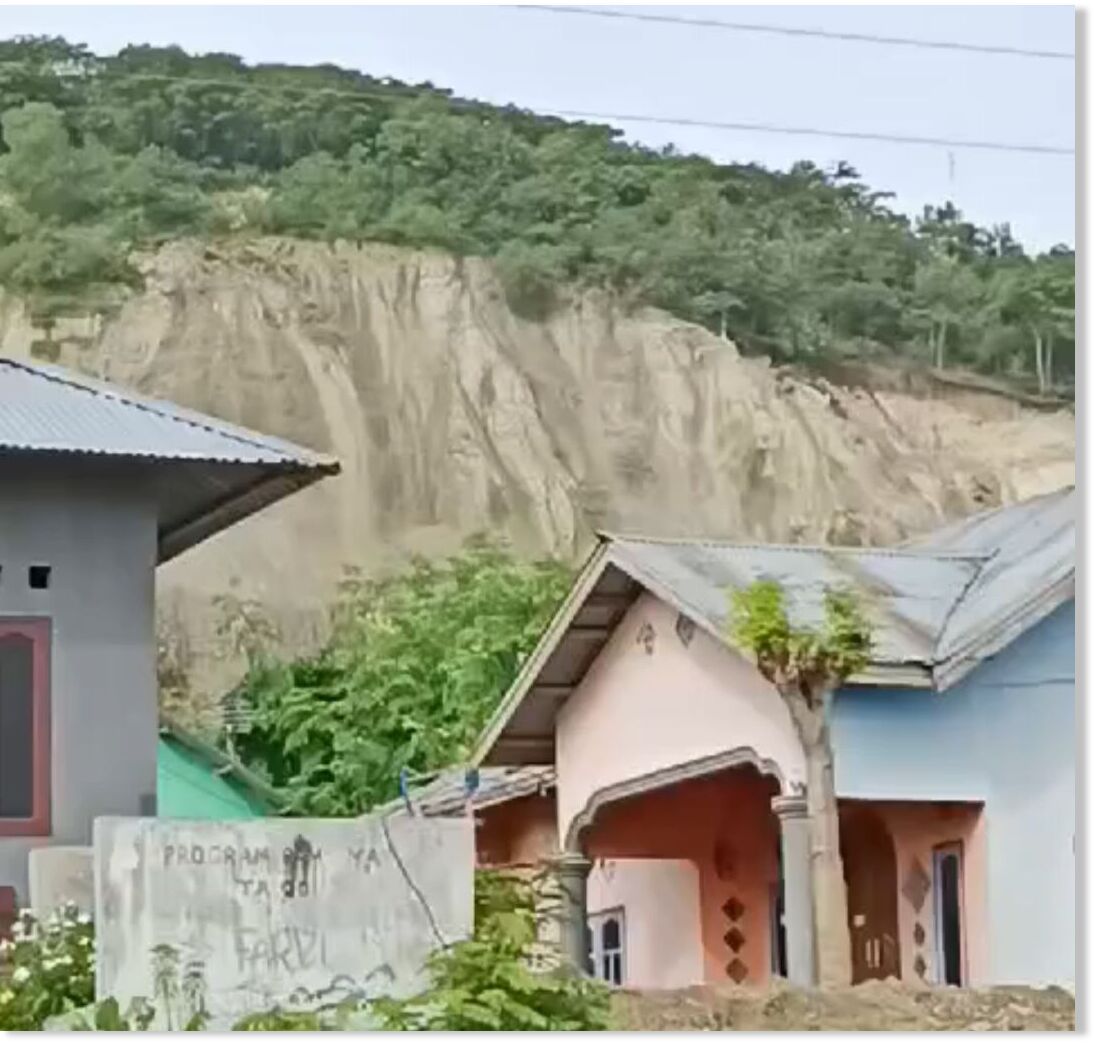
A landslide crashed down a hillside, burying homes in Indonesia. Dozens of homes were blanketed by the soil and debris from the Hill Cliff in Donggala, Central Sulawesi, on the morning of February 14.
Footage shows the chunks of earth flow hitting residential areas, causing frantic locals to flee in fear. They can be heard screaming as they witness the hill caving in. The landslide occurred behind Banawa 21 State Elementary School, leaving students afraid to go to school.
No injuries were reported from the incident. Classes were also suspended following the disaster.
Excessive rainfall can saturate the soil, reducing its stability and causing it to slide.
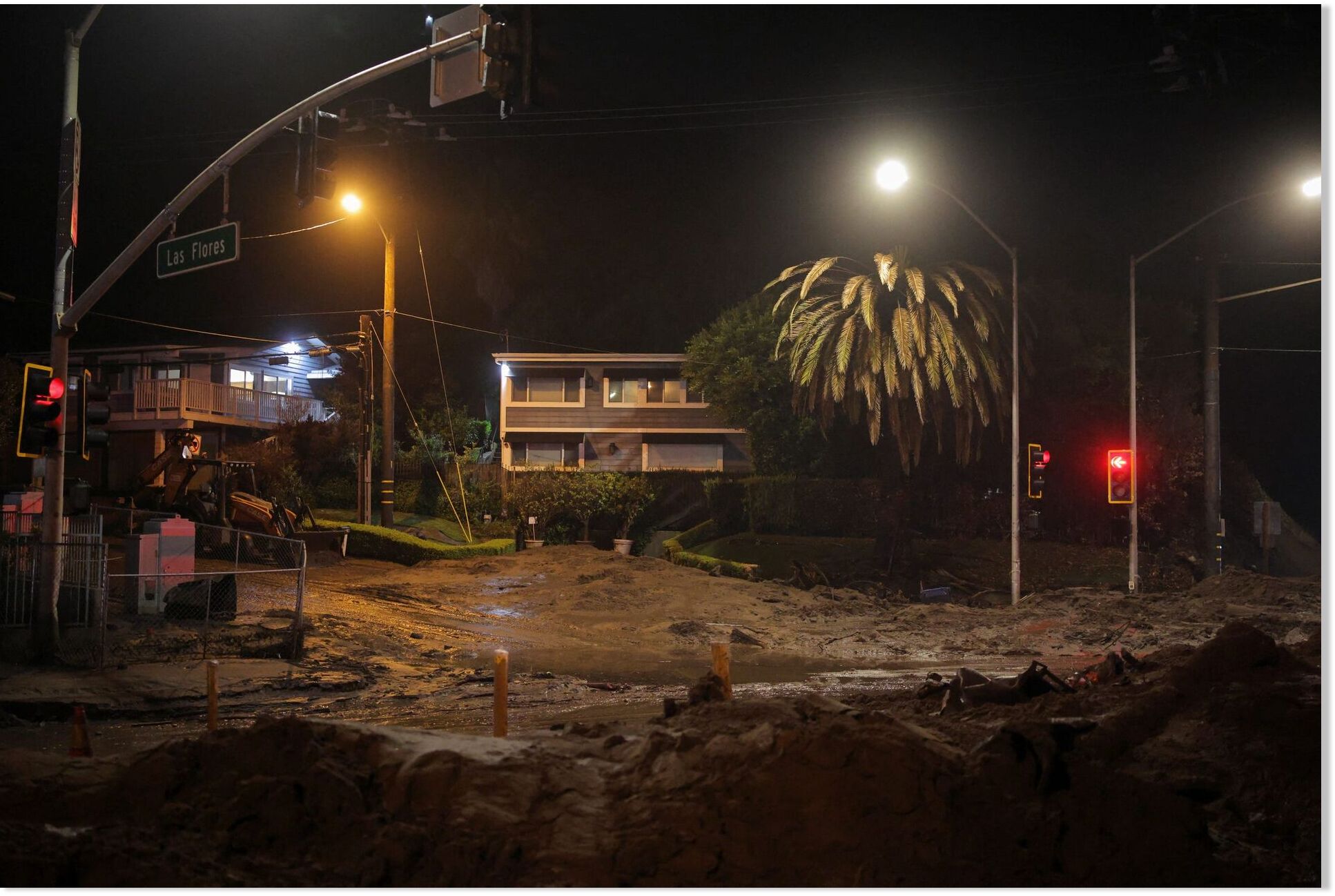
Roads remained closed throughout Southern California following an atmospheric river that triggered rounds of evacuations and closures as it unleashed damaging mudslides in the fire-ravaged region.
Multiple mudslides and flash floods were reported through Thursday night. In the Los Angeles area, mud and debris covered several major roads including the Pacific Coast Highway near the Pacific Palisades and Mulholland Drive in the Hollywood Hills.
Evacuations warnings and orders were issued in multiple counties throughout Southern California, though the majority occurred in the Los Angeles area, where the worst of the wildfires broke out last month.
Comment: At least the CIA's 'wild' fires are now finally out.
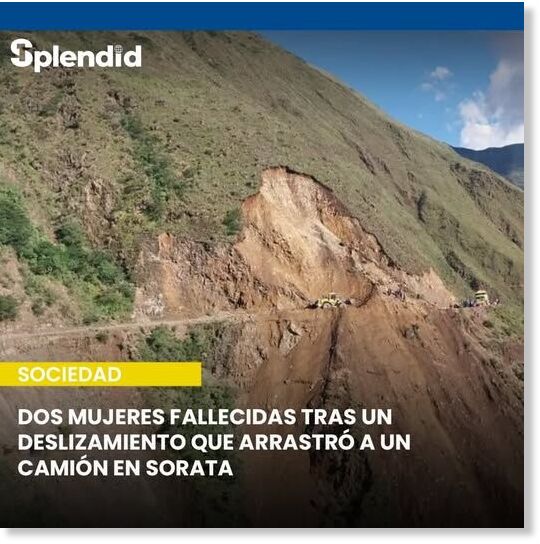
Two women died when a cargo truck was swept off a highway by a landslide in Bolivia's La Paz department, authorities said Tuesday.
The regional police commander said the accident happened Monday morning on the Quiabaya-Sorata highway following heavy rains that triggered deadly landslides across the country.
Relentless rains since November 2024 have caused widespread destruction across Bolivia. The Vice Ministry of Civil Defense reported that 109,156 families had been affected or displaced as of Feb. 5, with more than 300 homes completely destroyed.
Over 20 people have been rescued from floodwaters after severe thunderstorms hit Australia's largest city Sydney, capital of the state of New South Wales.
The storms swept across western and central Sydney on Monday, bringing intense rainfall that caused flash flooding and disrupted roads and public transport.
Rain was heaviest in the suburb of Horsley Park -- about 35 km west of central Sydney -- which received 77.6 millimeters in one hour.
The death toll in flash floods caused by unrelenting rain in Palawan province in the southwestern Philippines climbed to five, local authorities said Tuesday.
Jerry Alili, chief of the Palawan Provincial Disaster Risk Reduction and Management Office, said rescuers found two bodies who went missing after floodwaters swept away their van, carrying 12 people, on Sunday night.
The bodies of three other people were found on Monday, while seven passengers had been safely rescued and are now recuperating at a local hospital, local authorities earlier said.
Palawan province recorded its heaviest 24-hour rainfall as the shear line continued to affect the area, local media reported.
"We received 341 millimeters of rain within 24 hours.That is 12 times the usual monthly allocation. All poured down in just one day," Alili said.
Due to widespread flooding, Alili said over 2,000 families were forced to evacuate and have been staying in temporary government-run shelters.
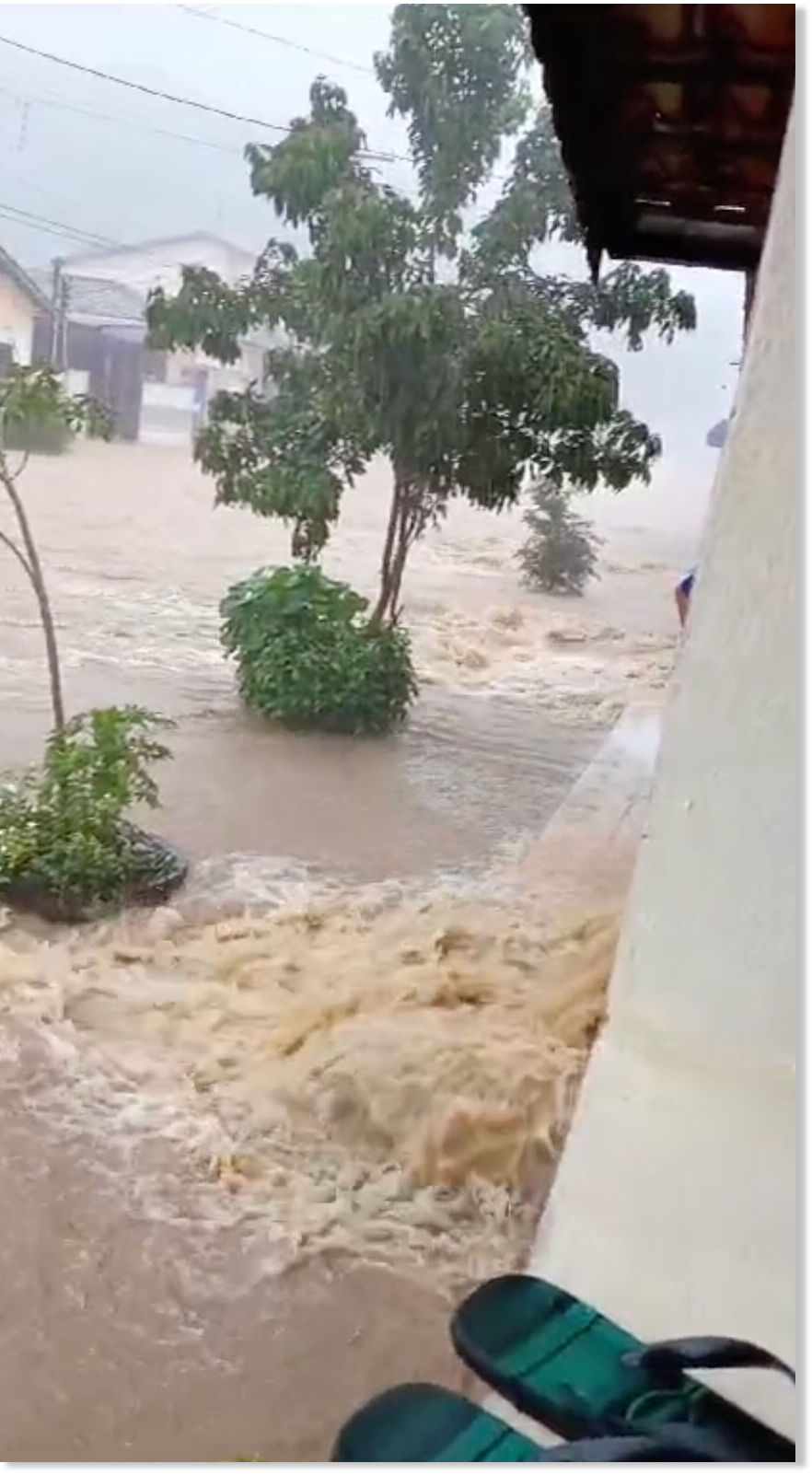
A devastating storm hit the city of Pariquera-Açu early on Saturday morning, February 8, causing massive flooding and significant property damage. According to the Brazilian National Center for Monitoring and Alerts of Natural Disasters (Cemaden), the area experienced 99.7 mm of rain between 7 AM and 8 AM, contributing to widespread havoc across the Vale do Ribeira region.
Reports indicate total rainfall reached 174 mm since Friday morning, which is 63% of the average precipitation expected for February. Streets turned to rivers, and numerous homes and vehicles were submerged under the unrelenting downpour. Images circulated on social media captured scenes of cars washed away by the water and residents struggling to evacuate.
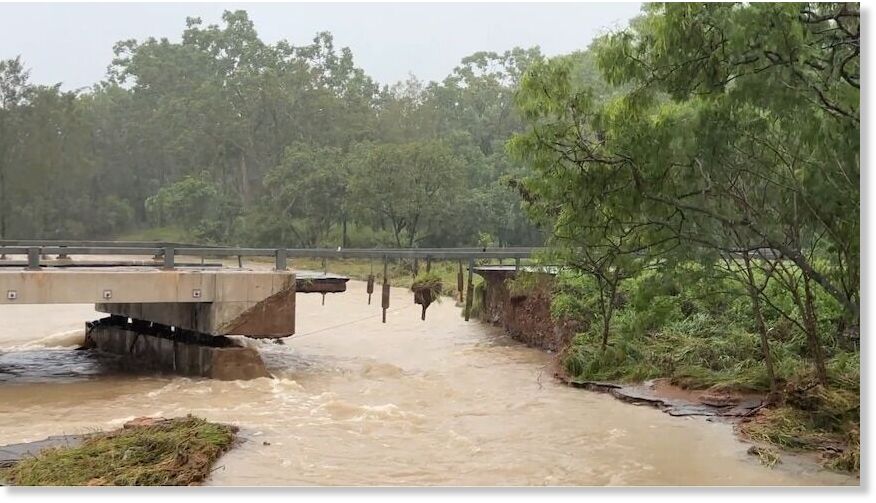
Fresh bursts of monsoonal rain have seen flood threats renew in Queensland's north.
Towns remain cut off tonight, after highways went underwater - while the collapsed Ollera Creek Bridge has closed again, after reconnecting communities.











Comment: At least the CIA's 'wild' fires are now finally out.