SOTT
SIGNS
OF THE
TIMES
OF THE
TIMES
Welcome to Sott.net
The World for People who Think

|
| ©berly816 |
|
| ©David Flannigan |
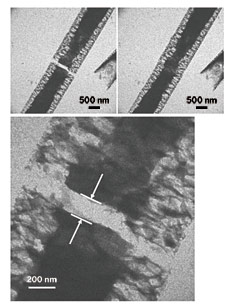
| Channel Gating:
Microscope images of CuTCNQ with channel open (top left), channel closed (top right), and magnified (bottom). |
|
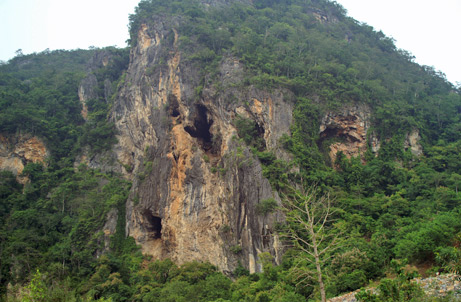
| ©National Geographic/Huang Wanbo |
| The bamboo-covered terrain of Hainan, China, was once home to ancient pandas and giant apes, new fossils found in this limestone cave suggest. |

|
| ©AP Photo/Vahid Salemi |
| A shepherd holds Royana, Iran's first surviving cloned sheep, in Isfahan, 234 miles (390 kilometers) south of the capital Tehran, Iran. |



