
Comment: Everything they think they know about climate science is false...
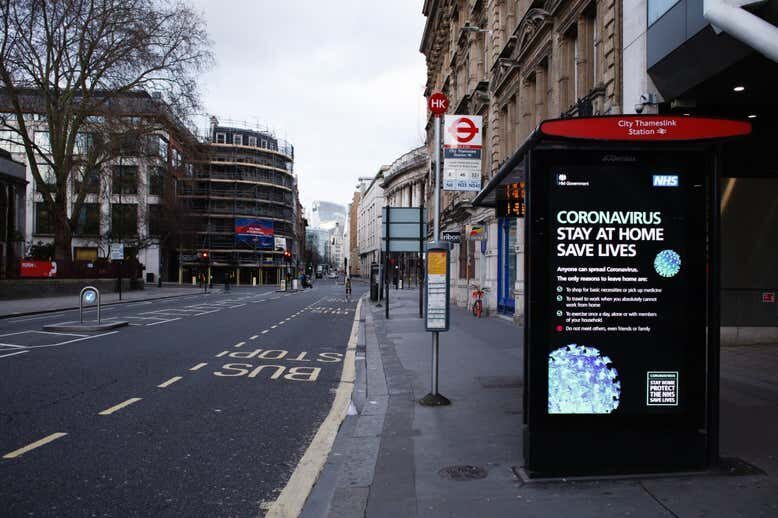
© David Cliff/NurPhoto/Getty ImagesFILE PHOTO: An empty street in London during lockdown in March 2020. World Health Organization research suggests that during just the first two years of the pandemic, 14.83 million more deaths occurred worldwide than would otherwise have been expected .
Methane, a potent greenhouse gas, is responsible for one-fifth of the atmospheric warming linked with human activity. It can be emitted by the production and transport of coal, natural gas and oil, or from biological sources, such as livestock.
Levels of methane in the atmosphere have been rising since 2007, but in 2020 they made their biggest annual jump since records began in 1983.



















Comment: No, this study proves that methane emissions are substantially NOT man-made. Could it be that there are other sources of methane that the researchers aren't accounting for? And that, for some as yet unknown reason, began surging in 2007 and spiked in 2020?
Most methane is actually released from the oceans - specifically, from stores of 'frozen' methane clathrate under the sea floor. Given that 2020 was a seminal year for human IN-activity, in terms of industry output and overall economic activity, then if there IS a 'human connection' to rising atmospheric methane levels, then it's more likely that 'pausing civilization' somehow translated into increased ruptures of methane clathrate inside the planet.