
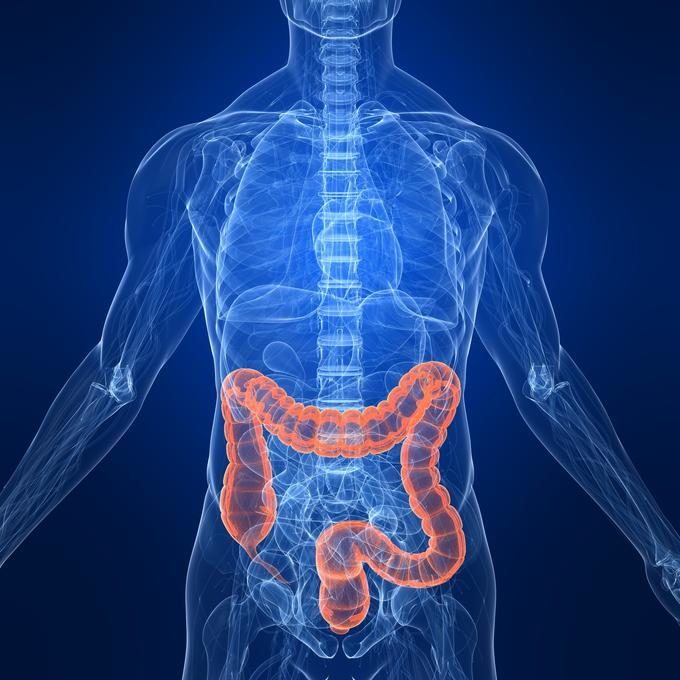
Colorectal cancer incidence and mortality have been increasing in people under 50 each year since 2013 and 2004, respectively, according to research published March 2 by the American Cancer Society (ACS). This rise in early onset diagnoses is driven by advanced-stage disease. (Colorectal cancer is also known as bowel cancer.)
"The trend is very serious," study co-authors Rebecca Siegel, Nikita Sandeep Wagle and Dr. Ahmedin Jemal told Live Science in a jointly written email. Siegel is senior scientific director of cancer surveillance research at the ACS; Sandeep Wagle is principal scientist of cancer surveillance research at the ACS; and Jemal is senior vice president of surveillance, prevention and health services research at the ACS. "Colorectal cancer is the only common cancer [in people] under 50 with rising mortality," they wrote.
Incidence is also increasing among adults aged 50 to 64, with the disease being diagnosed at more advanced stages. This is thought to be linked to the similarly increased mortality in this age group, the authors wrote in the study.
The trend in people under 65 is in marked contrast to the decreasing rate of new bowel cancer cases and deaths in adults ages 65 and over. Because most cases are in people 65 and over, this declining trend is masking an opposing pattern among the younger cohorts, the authors wrote in the study.
A troubling trend
Colorectal cancer is the second-leading cause of cancer deaths globally and mainly affects people 65 and over. But colorectal cancer "can no longer be called an old person's disease," Jemal said in a statement. Indeed, a 2025 analysis revealed that colorectal cancer cases were simultaneously rising in people under 50 and either stabilizing or declining in 50- to 74-year-olds in 14 countries, including the U.S., Canada, Australia and England.
But in the new study, the researchers compiled data on the number of new colorectal cancer cases from 1998 to 2022 alongside the number of colorectal cancer deaths from 1930 to 2023, while zooming in on slightly different age cohorts. The data were drawn from the National Cancer Institute and the Centers for Disease Control and Prevention (CDC).
By narrowing the age ranges examined, the team found that the rise is occurring not just in people under 50 but also in people up to 65 years old. "The increase in colorectal cancer is not just in young people, per se," the study authors told Live Science.
This phenomenon is called the "birth cohort effect," meaning that when an individual was born is more closely related to disease risk than when they were diagnosed. This confirms "a real uptick in disease because of something we're doing or some other exposure," Siegel said in a statement.
However, it remains unclear what is causing this trend, the authors wrote in the study.
"Long-established risk factors for colorectal cancer were identified based on cancer in older adults who were exposed to different risk factors than those in more recent generations," Siegel, Sandeep Wagle and Jemal told Live Science. For example, for all ages combined, almost 14% of colorectal cancer is attributable to smoking, but people under 50 are less likely than older adults to have smoked, they said.
Since the second half of the 20th century, individuals have been exposed to new environmental factors that may raise cancer risk, such as microplastics and ultraprocessed foods, they said. Research has also previously found colorectal cancer is associated with high antibiotic exposure and processed meat.
Colorectal cancer screening saves lives
The team estimated there will be 158,850 new cases of bowel cancer in 2026. Of those, 47,600 will be in 50- to 64-year-olds and 24,640 will be in those under 50. Over 55,000 people of all ages are projected to die from the disease this year. Of those, 7% will be in those under 50 and 24% will be in people aged 50 to 64.
With most people under 50 being diagnosed with an advanced stage of the disease, which is harder to treat, earlier diagnosis is essential, Siegel, Sandeep Wagle and Jemal told Live Science.
"Earlier diagnosis can also be achieved by increasing awareness of symptoms for colorectal cancer like blood in stool, abdominal pain, diarrhea, or fatigue, which can often be mistaken for other health issues," they said. "Earlier attention to symptoms could help shift diagnoses toward earlier, more treatable cancer"
Screening also allows for earlier detection and removal of precancerous lesions in the bowel; which accounts for 79% of averted colorectal cancer deaths. Current ACS guidelines state average risk individuals — those without a personal or family history of the disease — should begin colorectal cancer screening from age 45. Medicare covers various screening tests from this age, including a stool DNA test and colonoscopy. There are no specific ACS guidelines for high risk individuals, but they may require earlier and more frequent screening.
However, the researchers found that only 37% of 45- to 49-year-olds are up-to-date with their colorectal cancer screening. With half of deaths in people under 50 being in 45- to 49-year-olds, this means that many colorectal cancer deaths in this cohort could be prevented, Siegel, Sandeep Wagle and Jemal said.









Comment: The irony, people stopped smoking and colon cancer rates just went up. And let's not forget the one pro-cancerous factor that the Western population got exposed to, whether they wanted it or not.
Study identifies over 300 peer-reviewed COVID-19 "vaccine" cancer cases across 27 countries — Journal hit with cyberattacks