

© ericpetersautos.com

© ericpetersautos.com
They'd just buy it.
Food, for instance. It isn't necessary to persuade people they ought to eat. Hamburger is rarely advertised. Sales on hamburger are - but that's not quite the same thing. People are wanting to buy hamburger, regardless. Maybe they'll buy more if it's on sale. But they'll buy hamburger, regardless.
As far as cars, consider that it is not necessary to advertise heat - or AC. Most people want heat and AC - because it is
© ericpetersautos.com
How about all-wheel-drive?
A majority - more than two-thirds - of all new vehicles either come standard with AWD or offer it as an option. Not all that long ago, almost no cars even offered AWD. It was a feature sold chiefly by Subaru and Audi. Now it is sold by essentially every car company.
This reflects the tremendous success selling people on AWD.
But do they actually need AWD? Or is it that advertising has persuaded them they've got to have AWD?
© ericpetersautos.com
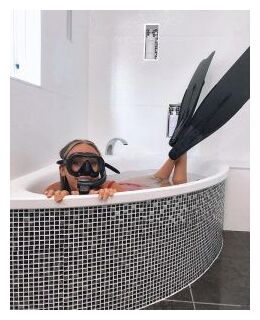
On dry - and even wet - roads, AWD is about as useful as SCUBA gear that you keep in the closet. There is a hypothetical traction advantage, but it is only an actual advantage if you're driving fast enough for the tires to break traction, which rarely happens if you're not driving very fast. Especially on dry roads. The threshold is lower on wet roads, but it's still high enough that you generally need to be driving faster than you probably should be driving when the roads are wet for the car to begin to slide due to loss of grip. AWD can greatly increase cornering grip and stability during high-speed driving but how many people engage in high-speed driving? In particular, high speed cornering? If you drive at around the speed limit, you need AWD on a dry (or wet) road like a you need SCUBA gear to go for a swim in the bathtub.
So why pay extra for it? AWD adds to the price of a vehicle and it adds to the cost of insuring the vehicle (repair/replacement cost) as well as the cost of maintaining the vehicle. There is also often a fuel economy penalty on top of that.
© ericpetersautos.com
© ericpetersautos.com
Gnomesayin'?
© ericpetersautos.com
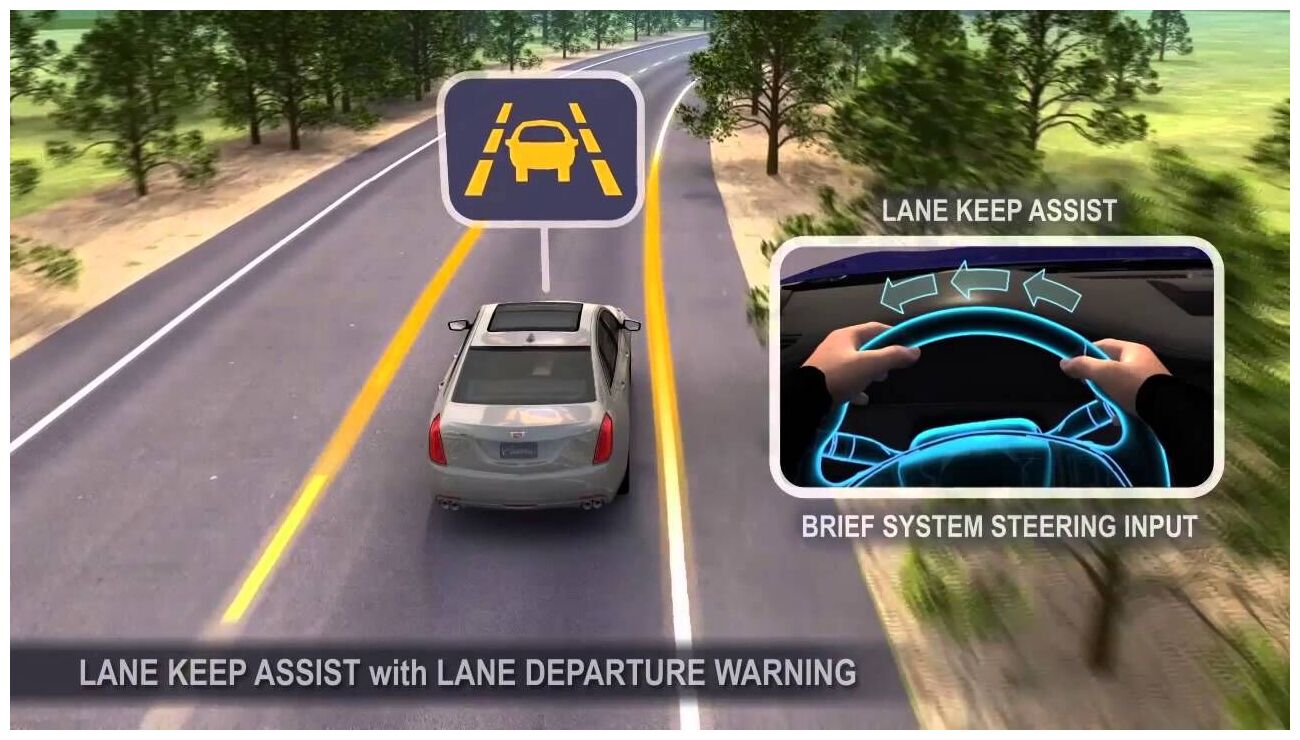
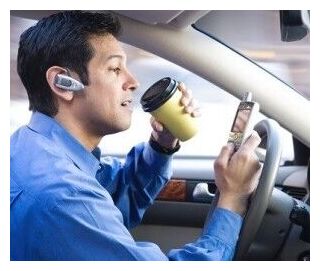
It was only about a decade ago that it was an expected competence to keep the vehicle in its lane. Then smartphone usage became ubiquitous - along with smartphones embedded in the dashboard (i.e., LCD touchscreen interfaces) and a consequence was that many drivers could no longer keep their vehicle from wandering out of its lane. Or they failed to notice the car ahead of them braking. Or a kid running into the street. Lane Keep Assistance and Emergency Braking Assistance were sold as the solution.
Maybe a better solution would be paying attention to your driving?



Reader Comments
[Link]
Whatever - I don't mind.....maybe sometimes they deserve it!
But nowadays - hard to getting to tell the difference twixt lady and fella -
I don't care for it
seems postmodernist in my mind...
What U think about the union of the women and the man?
duh...
[Link]
See, that isn't genocide, too few died. (sarcasm)
Scando countries make it obligatory to be able to control skids on ice. Lack control, and you can't progress to the rest of the driver exam. I learnt skid control on mud flats, how hard can it be for the system to demand this from prospective motorists?
I once had a discussion with a motor patrol officer about speeding. My argument was I wasn't speeding but driving according to the conditions, good, dry roads, no to little traffic etc. that the speed limit is arbitrary (and I know set to protect the tar not our lives) He came back at me with but 40% of accidents are caused by speed. Ah! That means 60% are caused by something else and I know that the majority is inattention and I pay absolute attention. Yes he conceded. "I'll go back and check the video footage, maybe the car in front of you was too close." I never heard anything again. Win for logic.