
© ericpetersautos.com
© ericpetersautos.com
© ericpetersautos.com
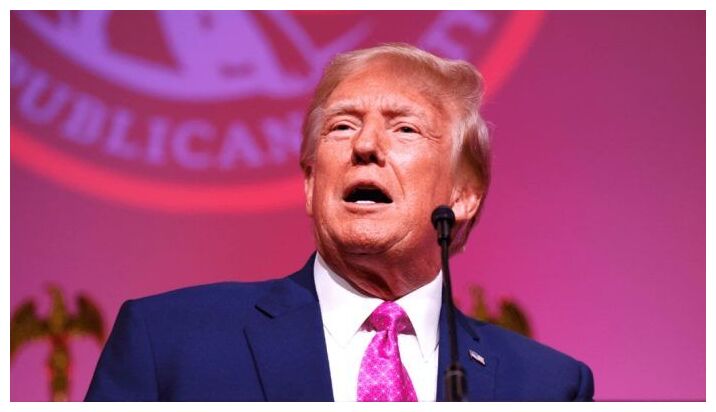
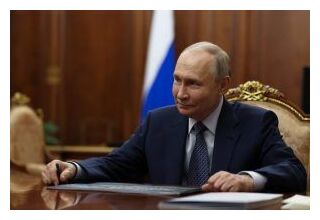
At any rate, Trump has told the leader of another nation - one with a nuclear arsenal - that there is a "deadline" for it to basically submit to being strong-armed by a foreign power's Maximum Leader (i.e., Trump). This is the sort of thing that sometimes leads to wars and in this instance, the war could very easily become a nuclear one.
Is Trump insane? Or just stupid? It could be that he is desperate.
© ericpetersautos.com
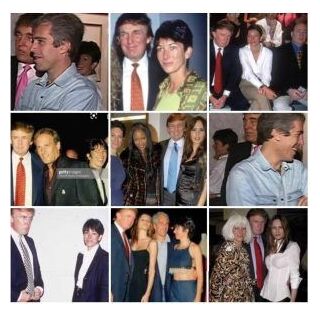
Last fall, millions of Americans voted for Trump because they thought - just maybe - he wasn't another one of them. They wanted badly to believe it and some did believe that he was telling the truth when he promised that if elected, he'd get to the bottom of this Epstein Business as well as other such business. Now we know the truth in all its hideous, bottle-fly-covered putridity. They are all the same. More finely, they are all in the same club - and we are not in it. They would not allow us in the service entrance, to bring in and drop off a few cases of champagne for their next teenybopper rave.
We know this now because it is no longer possible to believe otherwise.
We know that Voting Harder Next Time is not going to change anything other than the slogans and the faces of the things that attend those teenybopper raves - and why would anyone believe for a moment that people who egg-on and even thrust their chests out in pride over the mass slaughter that's been underway in Gaza for more than a year would not attend teenybopper raves?

© ericpetersautos.com
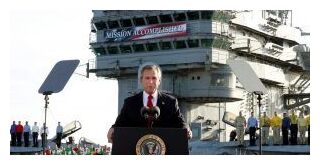
We allowed ourselves to entertain a pleasant delusion that it was not so, but that has now been dissipated. We cannot unsee - or unhear - what has been seen and heard. It no longer matters - in the macro-political sense - whether the truth about the Epstein business is ever fully revealed. The truth about the JFK business has never been revealed, either. But who among us still believes it was Lee Harvey Oswald, acting alone, who murdered JFK in broad daylight? It did however take decades for that belief to dissipate. The events that took place on September 11, 2001 hasted that dissipation. At first, most of us believed that the "enemies of freedom" had conducted a dastardly attack. This belief enabled a dastardly attack on us - and by us (on Iraq, resulting in far more carnage visited upon
© ericpetersautos.com
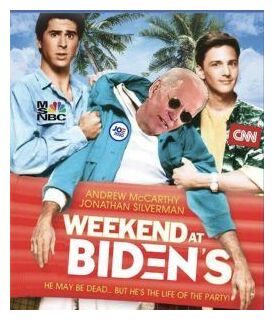
We Voted Harder and exchanged The Chimp for Barack Obama - but they were still in charge. So nothing changed except for the worse. Then Trump came down the escalator and we thought - at last! - an outsider. Someone who isn't a member of the club; he told us so! He would "drain the swamp." He promised. We believed. We even let ourselves believe that he was played by Fauci and the rest of them. That he faced a foe so pervasively evil that it had to be exposed before it could be destroyed. So they brought out
© ericpetersautos.com
But of more importance, justice would be done.
They - some of them, at least - would be made to answer for all the things they'd done. Many of us really, desperately believed it.
And now we confront the awful truth that nothing will be done. Not ever. Not for as long as they continue to have the power to assure nothing will be done to make any of their friends answer for anything they have done and bopping teenyboppers is just one of those things.
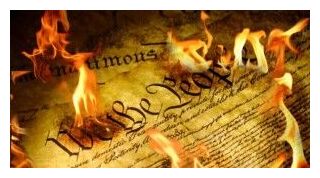
This is perhaps the most consequential Red Pill Moment since the summer of 1775 - when it finally dawned on a sufficiency colonials that Great Britain regarded them as vassals and that the "appeal to Heaven" was kind of sad as
© ericpetersautos.com
Kind of like Voting Harder Next Time.
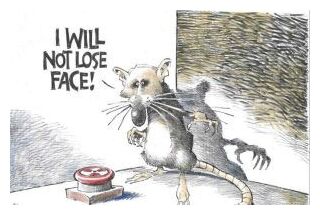
Trump knows this, too. It explains his cornered rat behavior. Their cornered rat behavior. All of them. They know we know and that is worrisome. Enter the "deadline" - which is in fact an ultimatum. What will happen when deadline-ultimatum arrives?
Probably something very big - but not every beautiful.






Paratroopers mind ya can get things accomplished most rapidly - and then after they get Odessa - and Trump wants to put down the "deadline" - well a day before that send some to Kiev I reckon.
Then communicate to the fools in dc - "what card you got now"?
We wasn't planning to do it this way, but if you make a deadline, then we will take London next!
~
How you like them apples - Trump!