

© Shutterstock/funnyangelLove hormone injections could help us to be kinder to strangers, new research suggests
Scientists found that after the jabs, newly introduced seals instantly hit it off, seeking out each other's company and keeping physically close.
WHAT IS OXYTOCIN?
Oxytocin, known as the 'love hormone', engenders trust and generosity.
Oxytocin is a hormone released naturally in the blood and brains of humans and other mammals, during social and sexual behaviours.
The hormone is produced by women during labour to help them bond with their baby.
It is also released during lovemaking, leading to it being nicknamed the 'cuddle chemical'.
Other loving touches, from hugging a teddy bear to patting a pet dog, also trigger its release.
Levels of aggressive behaviour also dropped under the hormone's influence.
Despite receiving small doses of oxytocin, the changed behaviour of the loved-up seals persisted for two days.
This was unexpected, since the hormone is quickly cleared from the bloodstream.
Study leader Dr Kelly Robinson, from the University of St Andrews, and her team wrote in the journal Proceedings of the Royal Society B: 'Seals given oxytocin spent significantly more time in close proximity to each other, confirming that oxytocin causes conspecifics (same species members) to seek others out and remain close to one another.
'Aggressive and investigative behaviours also significantly fell after oxytocin manipulations.'
Adult seals were not considered suitable for the study because of the likely possibility that they were already socially connected, and their large size and aggressiveness.
Pairs of seals from different pens were either given injections of oxytocin or salty water before being released back into the wild as their behaviour was observed.

© PAScientists found that after the jabs, newly introduced seals instantly hit it off, seeking out each other's company and keeping physically close. Pictured is two wild grey seals from the study
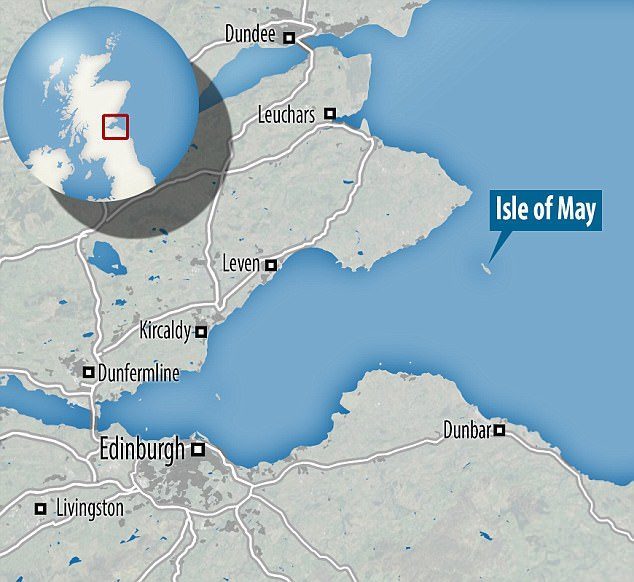
© UnknownTwenty newly weaned grey seal pups from the Isle of May, Scotland, were captured by the researchers
'We show that manipulation studies are possible in wild populations, and that manipulations are most powerful after prior work to identify naturally existing hormone-behaviour relationships.'
The research was conducted in a way that ensured no harm came to the seals, said the team.






Comment: To learn more about naturally producing the stress reducing hormone Oxytocin in the brain, visit the Éiriú Eolas Stress Control, Healing and Rejuvenation Program here.