
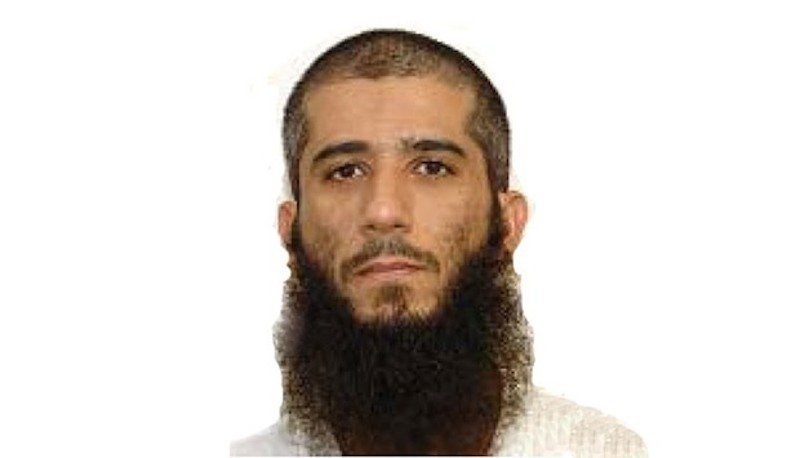
© www.gulf-times.comFaez Mohammed Ahmed al-Kandari
Al-Kandari is slated to undergo a rehabilitation program to help him reintegrate into society, Eric Lewis, his lawyer in Washington, said. Lewis noted that al-Kandari was the last of 12 Kuwaiti inmates who had been kept at Guantanamo.
The release reduced the number of detainees at the prison to 104, 45 of them already approved for transfer, according to Reuters. "It's a good illustration of our effort to chip away at the population there and to try to resolve these individual cases in a way that's consistent with our national security interests," Josh Earnest, White House spokesman, said Friday.
Guantanamo was established by former president George W. Bush's administration as a prison for alleged foreign terrorism suspects following the September 11, 2001, attacks in the US. As many as 775 suspects are said to have been brought to the facility ever since its establishment.
Washington claims the prisoners are terror suspects, but has not pressed charges against most of them in any court. Many detainees have gone on hunger strike for months to draw attention to their plight at the US military prison.
President Barack Obama had promised to close the Guantanamo Bay prison in his 2008 election campaign, citing its damage to America's reputation abroad. However, he has so far failed to deliver on that pledge due to stiff opposition from Congress.



Comment: Out of the almost 800 men who have been held at Guantanamo, only seven have actually been convicted of crimes, and eight have died while in detention.
Even after his release, Faez will be required to check in weekly at his local police station and to be visited at home on a regular basis by the rehabilitation professionals. Faez' internet usage, religious instruction, social networks and financial affairs, among other things, will be monitored, and he will surrender his passport and not travel. He will be subject to electronic and physical surveillance and curfew measures.