

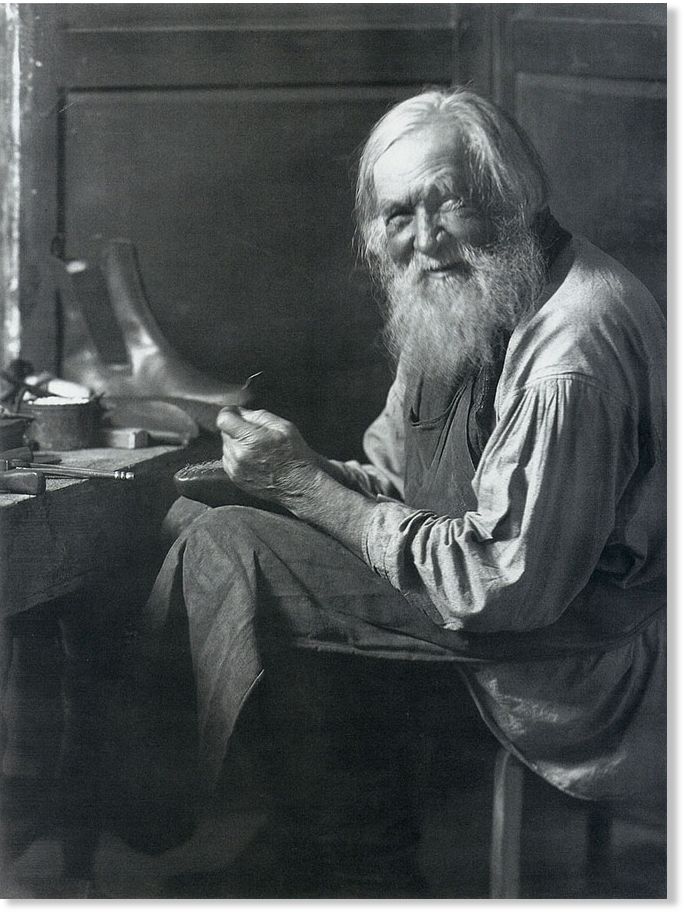
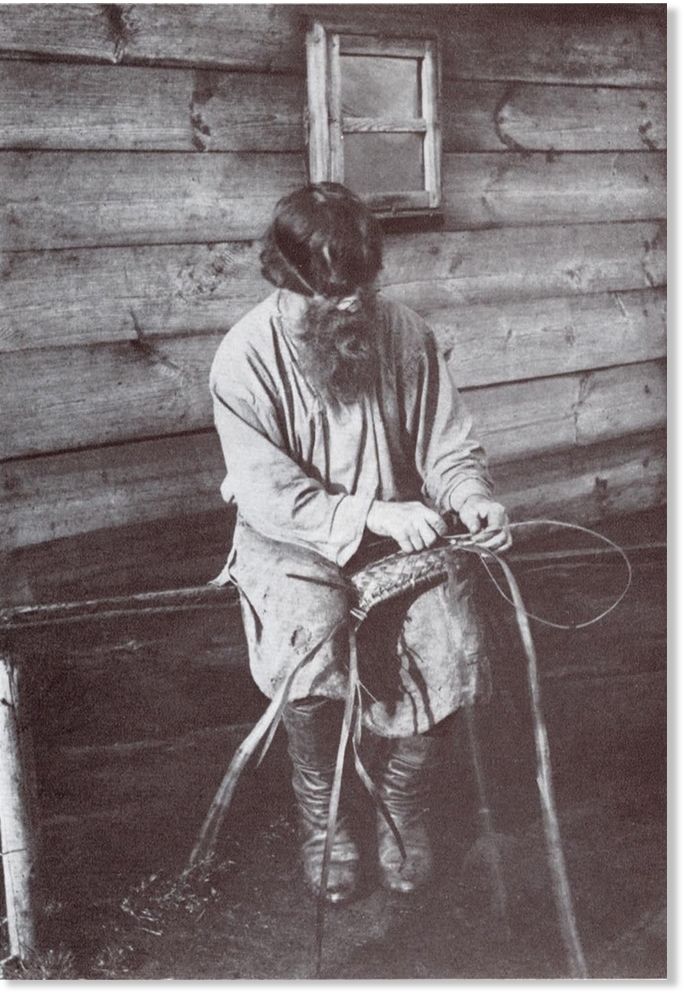
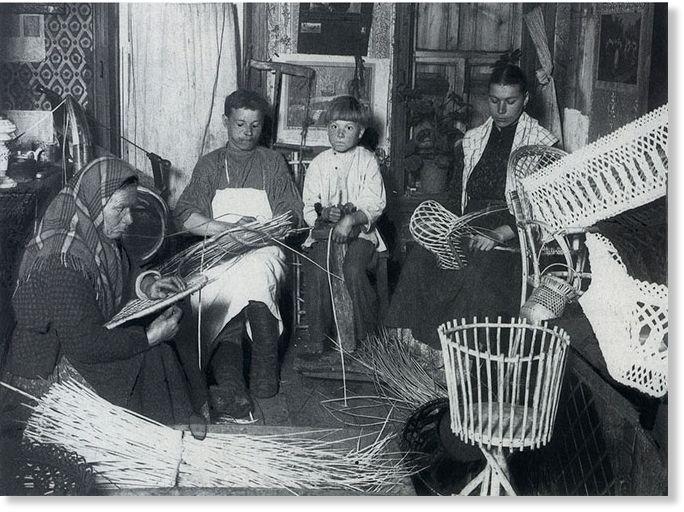
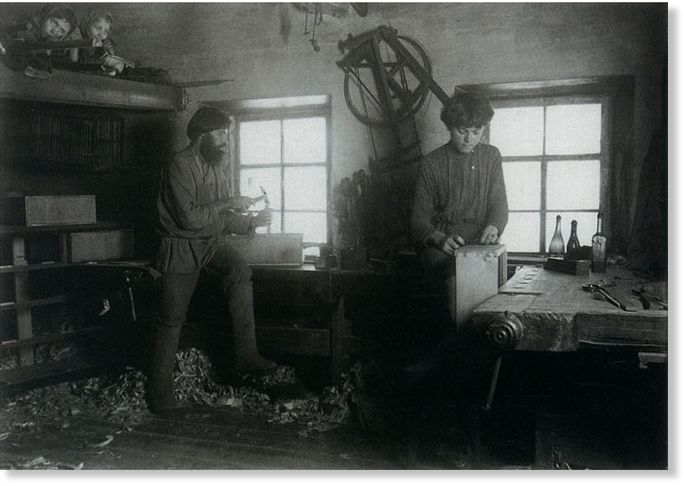
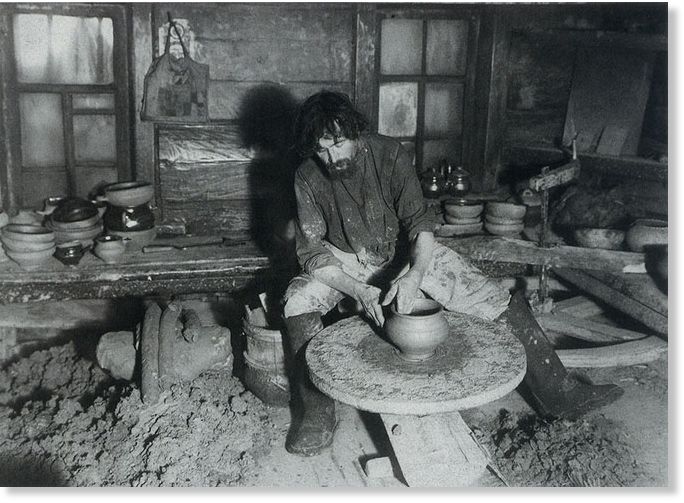
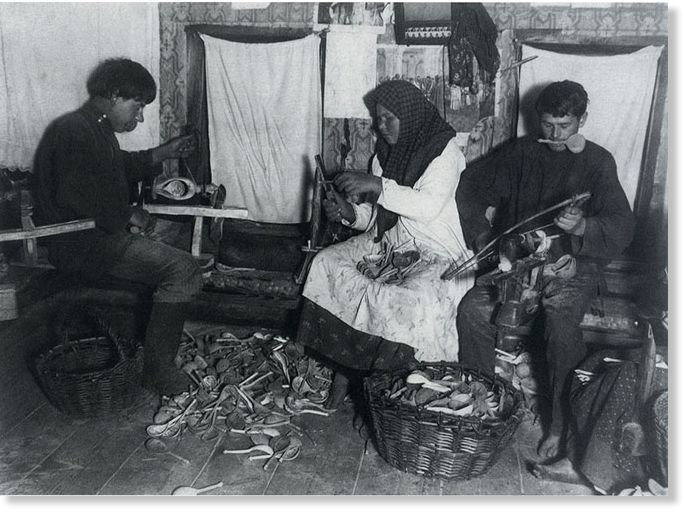
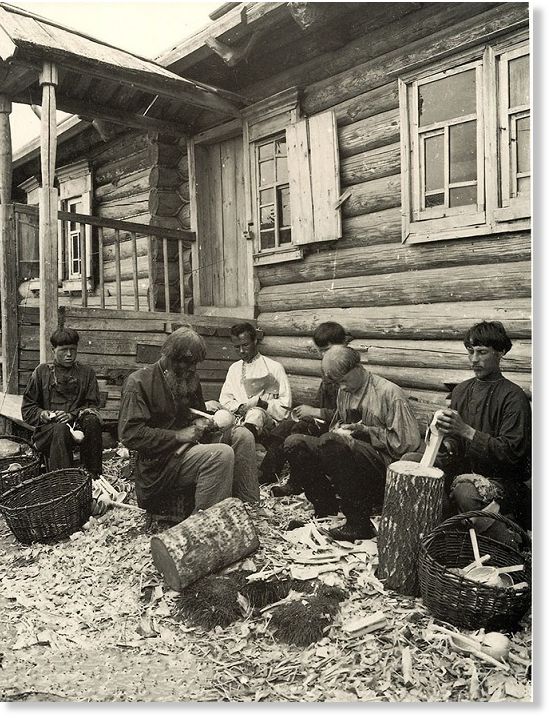
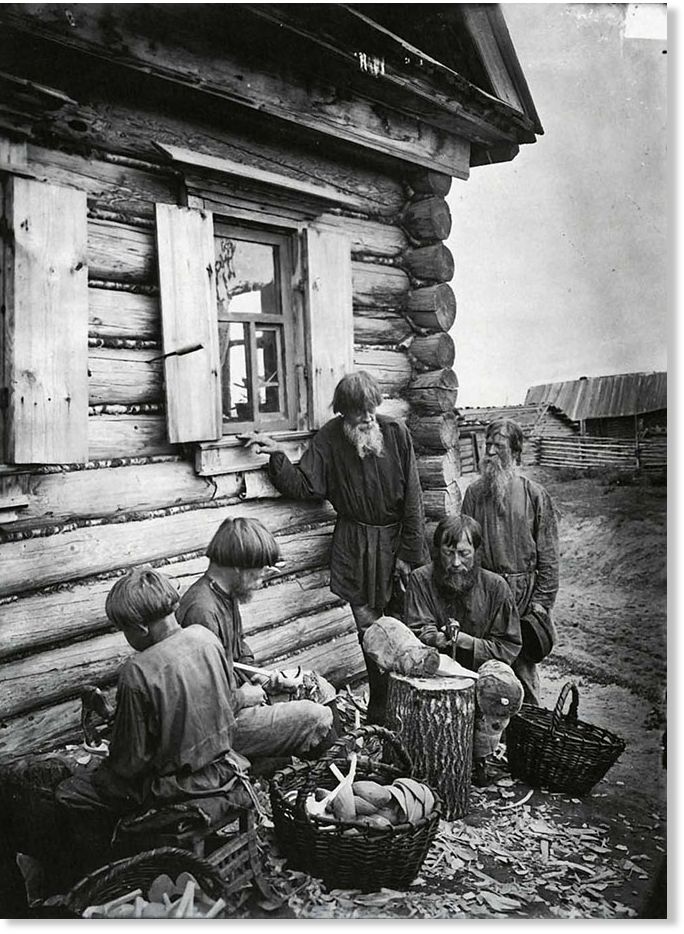
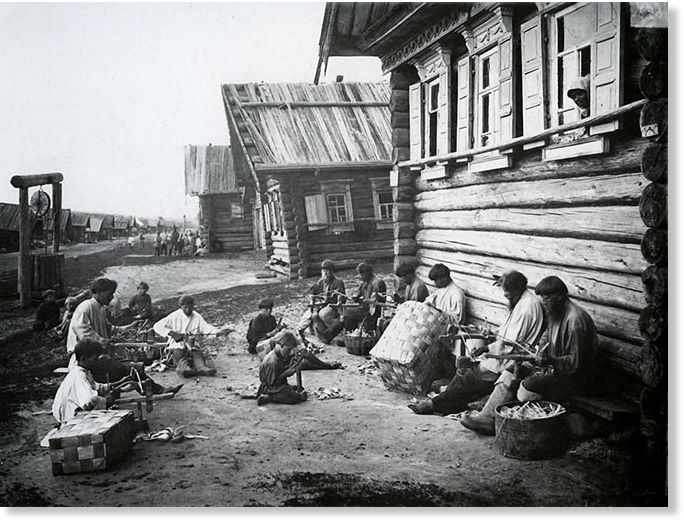
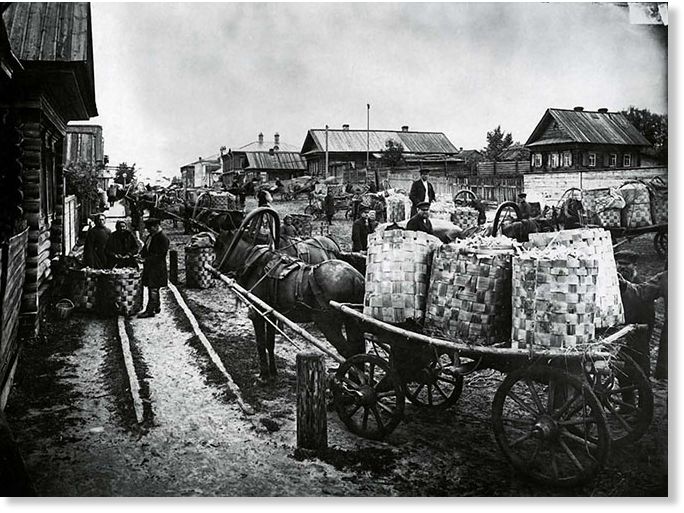
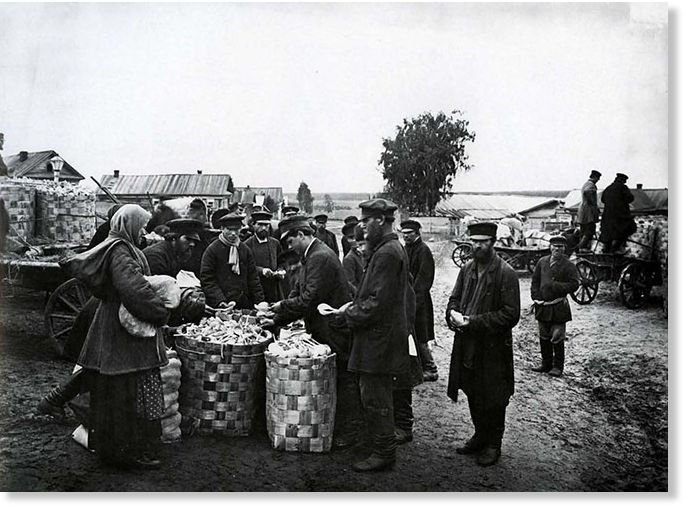
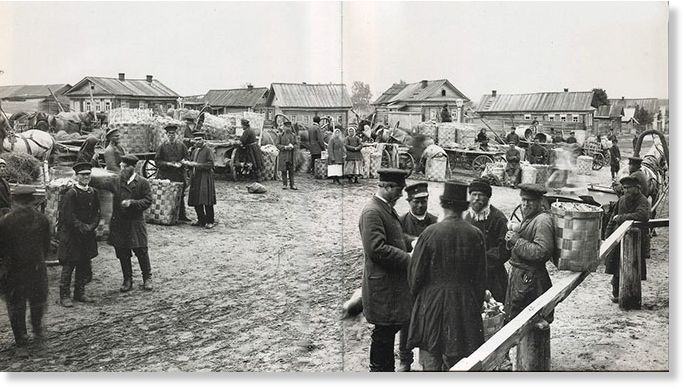
Let's see a few more of the skilled men of past inside, some of these jobs you can't meet nowadays at all:

Same old shit. Go ahead, have a bullshit inquiry. Nothing will change. As far as those people (who survived) giving evidence, how about admitting...
I fear Kushner, Trump and Co. might be messing with the wrong people here. Albanians kept up their blood feud tradition until quite recently, and...
OTOH Mussolini and Ceaușescu seemed untouchable and above the law, as long as they were in control.
In today's messed up world reality, I see everyone's spin and rachet it up a couple of notches. She remained in a medically induced coma for three...
See those framed, expensive looking scribed pieces of paper on the wall behind my desk? They are just pieces of paper telling you I know...
To submit an article for publication, see our Submission Guidelines
Reader comments do not necessarily reflect the views of the volunteers, editors, and directors of SOTT.net or the Quantum Future Group.
Some icons on this site were created by: Afterglow, Aha-Soft, AntialiasFactory, artdesigner.lv, Artura, DailyOverview, Everaldo, GraphicsFuel, IconFactory, Iconka, IconShock, Icons-Land, i-love-icons, KDE-look.org, Klukeart, mugenb16, Map Icons Collection, PetshopBoxStudio, VisualPharm, wbeiruti, WebIconset
Powered by PikaJS 🐁 and In·Site
Original content © 2002-2026 by Sott.net/Signs of the Times. See: FAIR USE NOTICE



of old Russian photos, and of course their craftsmanship; the utility use of their works – and fine at that. These things were very much the norm all over the world in days past. The Chinese have a long history of excellent wood crafts for instance.
I’m reminded of a book on French Canadian antique furniture. For the most part, the makers had utility in mind and yet they incorporated fine detail and wood joinery techniques (such as dovetails and tenons). This furniture was in many farmhouses and urban houses spanning the 1700’s – 1800’s (and still today) – people just made theses things for their families or things were commissioned from within the community.
During the 1900’s (50’s & 60’s), this exquisite furniture was often painted over with thick lead paint or just chopped up. The author of that book describes visiting farmhouses where people, very proudly, had just purchased new chrome/vinyl Wal-Mart type tables and chairs. Their wood antiques, often passed down from their ancestors, such as circa 1700’s armoire cabinets, were all aflame after being tossed upon a bonfire in the yard for no other reason than disposal.
The author here says “…old Russian crafts on contrary is very much lost, mostly due to the Soviet intent for collectivization and industrialization.”
It was really just the same elsewhere once production line corporatism became the norm for a wide array of product marketing and distribution for new consumers goods.
Today many people throw out everything and fix nothing. So in this respect, too, people either have or are loosing the ability to create many things they need or maintain the things they have; not to mention planned obsolescence.
These Russians, French or Chinese etc. craftspeople could take a tree planted by their ancestors and create so many things they needed. These things were passed down for continuous use - lasting many hundreds of years.