
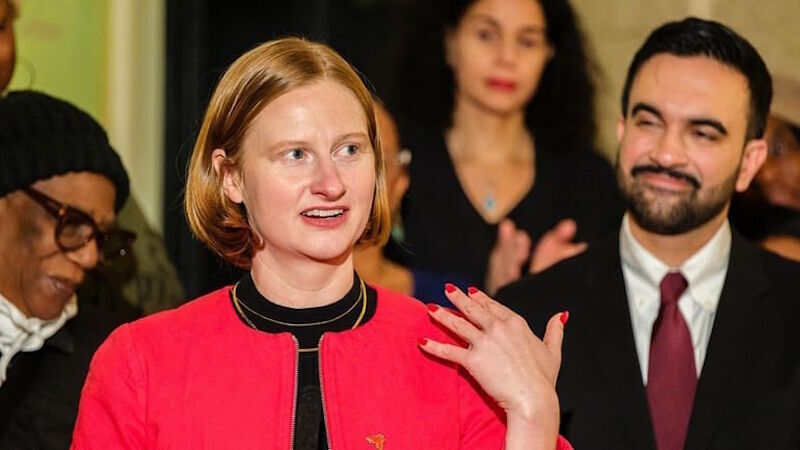
© WABCMayor's Office to Protect Tenants executive director, Cea Weaver and New York City Mayor Zohran Mamdani
In 2021, Cea Weaver, now the woman chosen by Zohran Mamdani to run New York City's Office to Protect Tenants, unveiled a housing policy vision so detached from economic reality that the only academic seminar it could have emerged from would have been a slurry rant by a drunk at a bar at Newark International Airport at 3AM.
Her proposal for New York City was simple and elegant. It was also completely inane, nonsensical and catastrophically regressive: abolish meaningful ownership, convert housing into a "collective," require everyone to pay exactly 30 percent of their income for rent regardless of supply, demand, or cost, and — in her genius words — have the government "make sure everything works and cash flows."
Riveting. Why didn't we think of making everything work and having cash flow?
When asked how to finance this trillion-dollar fantasy in a nation already drowning in debt and fighting 3% inflation, Weaver delivered the masterstroke of modern policymaking: the federal government prints money. End of briefing. Next question.
From a free-market and Austrian economics perspective, it is the greatest hits album of economic failure. Housing does not appear because politicians feel strongly about it. It appears because investors risk capital, builders respond to price signals, and consumers reveal their preferences through what they are willing and able to pay.
Weaver's model abolishes that entire information system and replaces it with a bureaucratic version of Sim City 2000 with all cheat codes enabled. Prices disappear. Scarcity becomes invisible. Investment loses direction. Economic calculation collapses. The result is not compassion. It is the same gray, over-subscribed housing that every centrally planned city on Earth has perfected.
This is her vision of New York:
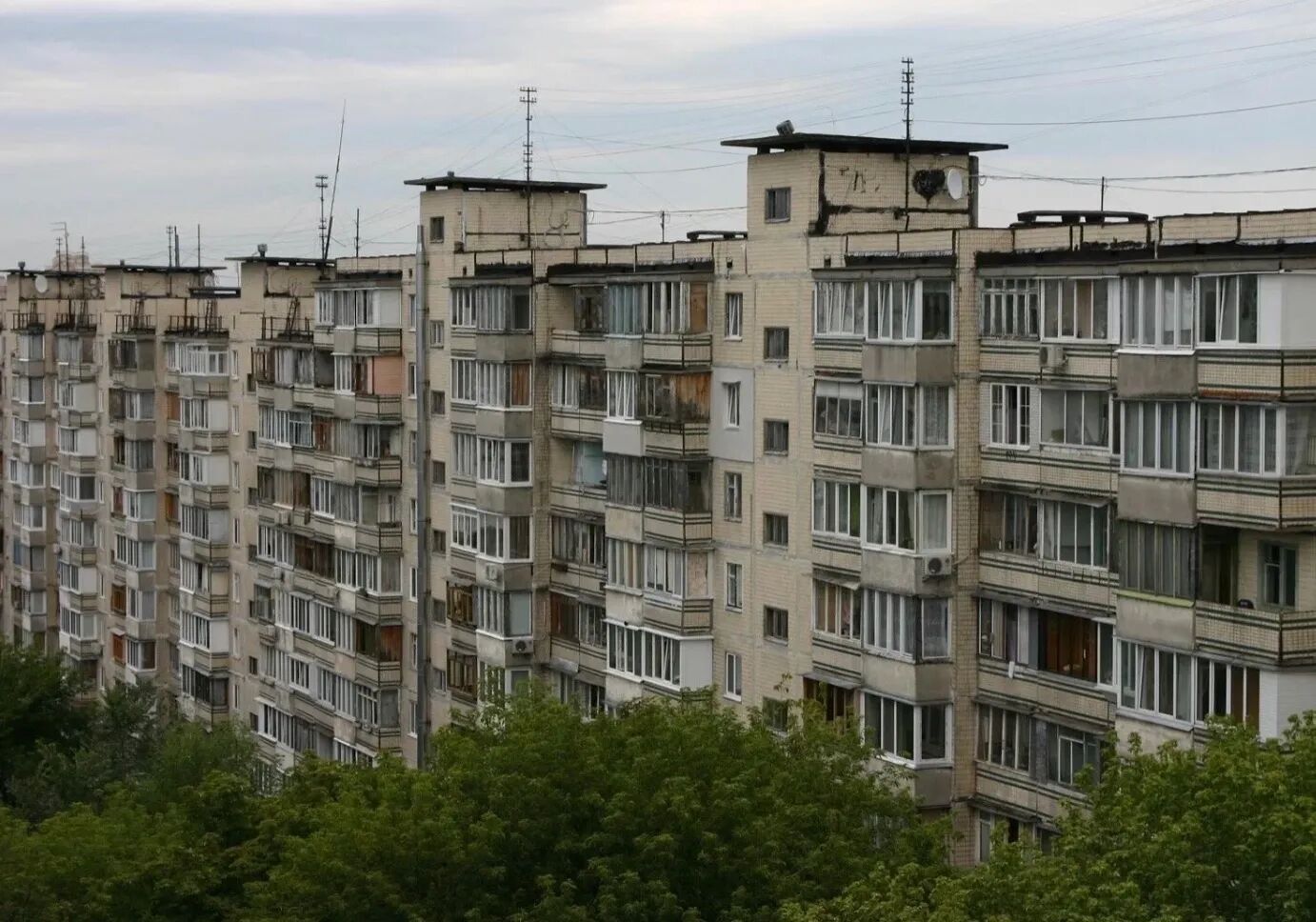
Soviet-era apartment block
As though there are no consequences, the Fed's money printer is constantly wheeled in like a policy defibrillator for ideas that history has already determined should have died decades ago.
And of course, this imbecile has no idea that printing money does not build housing. It does the opposite of what she is trying to accomplish: it redistributes purchasing power upward and outward to the first political recipients while everyone else watches their paycheck buy less every month. It widens the inequality gap — precisely the thing Democrats claim they are trying to close — by rewarding insiders, asset holders, and government contractors while crushing workers, renters, and savers with rising prices. The tenants Weaver claims to champion would be the first ones sacrificed on the altar of "progressive" inflation.
This is the trend that money printing has resulted in:
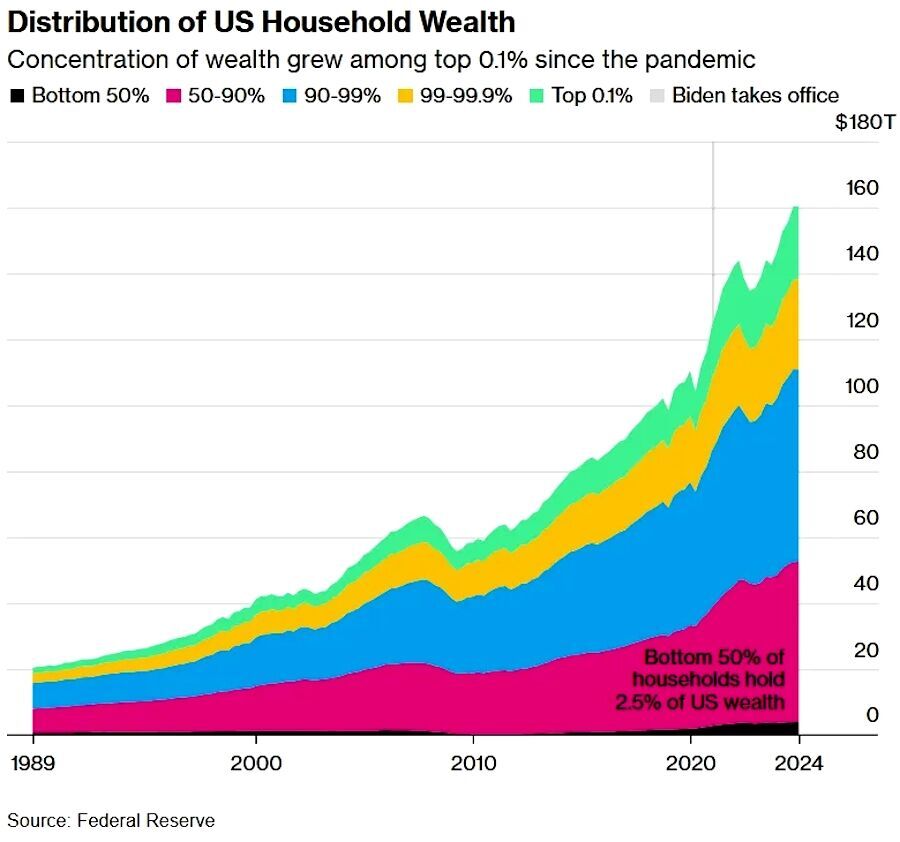
© Federal Reserve
Apply this vision to New York City and you get a predictable chain reaction: private construction vanishes, capital leaves, maintenance implodes, tax revenue shrinks, inflation surges, and housing quality sinks into managed decay. The only thing that expands reliably is the regulatory bureaucracy congratulating itself for "protecting tenants" while tenants wonder why everything costs more and works less.
The "collective ownership" cherry on top ensures the entire structure collapses with bureaucratic elegance. When everyone owns something, no one owns it. When no one owns it, no one maintains it. When no one maintains it, it rots. Demand explodes. Supply freezes. Allocation becomes political. Waiting lists grow.
Friends of the program mysteriously find housing.
Everyone else is told to be patient and fill out another form.



















Comment: Here's how disconnected from reality this overgrown toddler is:
From the New York Post: Bon chance, NYC. You're going to need it.