

© Marcin Rogozinski / Alamy Stock PhotoMany of us have at least a little Neanderthal DNA inside us
A multinational collective of scientists from Russia, Ukraine, Poland, Germany, Australia and Canada has discovered important new clues indicating that Neanderthal nomads made at least two separate 3,000-4,000 km treks from Eastern Europe to southern Siberia in the hunt for bison.
The groundbreaking discovery, based on the identification and analysis of a distinct type of stone tool at Chagyrskaya Cave, a famous archeological site in Altai region, provides new clues about the ancient hominins' amazing ability to adapt to the dry and barren steppes and frigid cold temperatures of Siberia during migration across long distances.
In their study, published in the Proceedings of the National Academy of Sciences Journal, researchers explained that unlike the remains found earlier in the Denisova Cave a separate archeological site in another part of the Altai region, the Chagyrskaya Cave hominins were armed with a "distinctive toolkit" which "closely resembles Micoquian assemblages from central and eastern Europe, including the northern Cauacasus, more than 3,000 kilometers to the west of Chagyrskaya Cave."
"At other Altai sites, evidence of earlier Neanderthal populations lacking associated Micoquian-like artifacts implies two or more Neanderthal incursions into this region," researchers stressed.
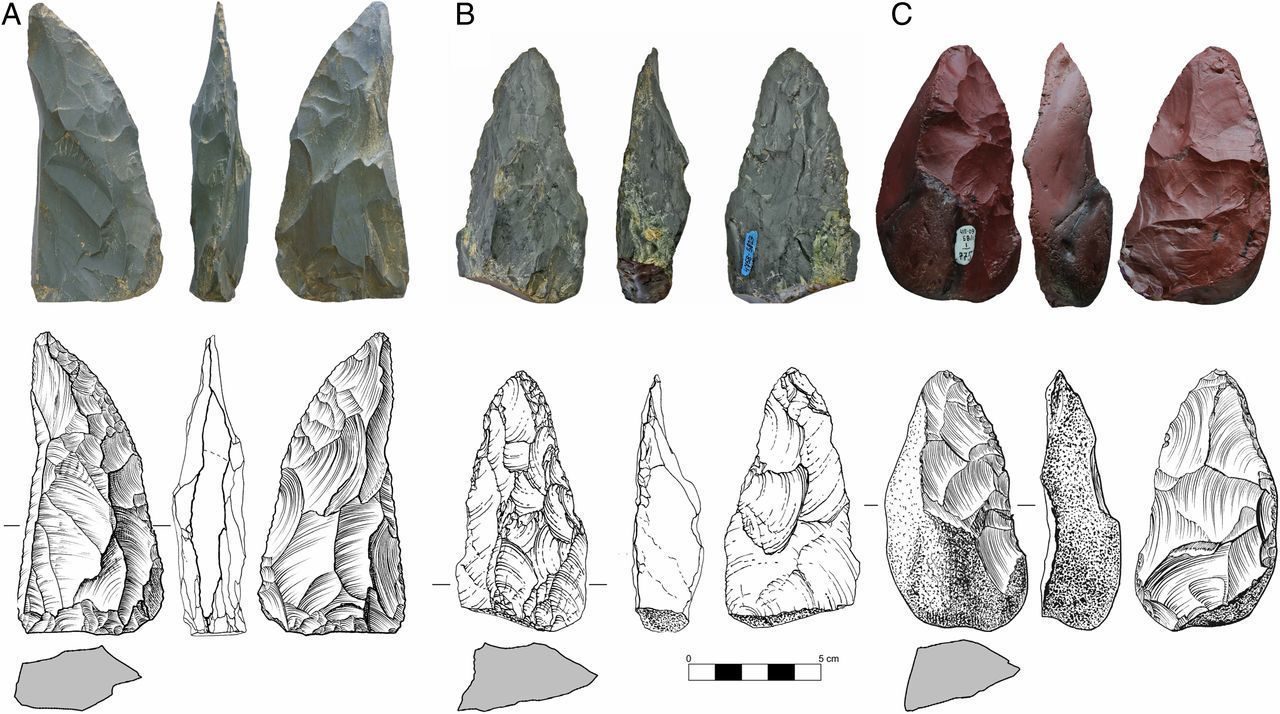
© Kolobova et al. PNASStone artifacts from Chagyrskaya Cave, sublayer 6c/1. (A-C) Photographs, line drawings, and cross-sectional profiles of three plano-convex bifacial tools diagnostic of Micoquian Bocksteinmesser and Klausennischemesser types. (Scale bar, 5 cm.)
Dr. Kseniya Kolobova, study coauthor and archeologist at the Russian Academy of Sciences' Siberian Branch's Institute of Archeology and Ethnography, explained that the Neanderthals' unique lithic tools were used to process the carcasses of bison, with the hominins using tough materials such as jasper or chalcedonite and porphyrite found as pebbles in riverbeds to create complex stone tools.
Speaking to the Siberian Times, Kolobova emphasised that ancient Neanderthals were far more complex beings than previously believed. She pointed, for example, to a piece of decorative rock crystal uncommon to the Altai region which the Neanderthals were believed to have carried with them across long distances. It, she said, showed "that the cognitive abilities of the Neanderthals were wider than previously thought."
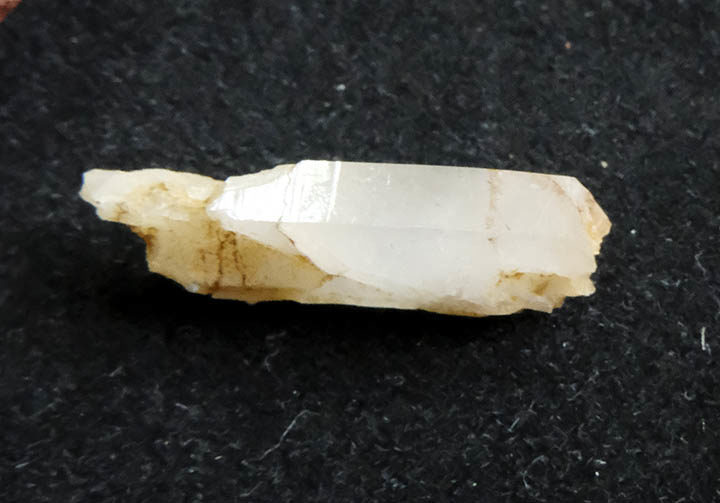
© The Siberian TimesA 2016 find was a piece of rock crystal, not typical for the area, so must have been deliberately brought from a distance.
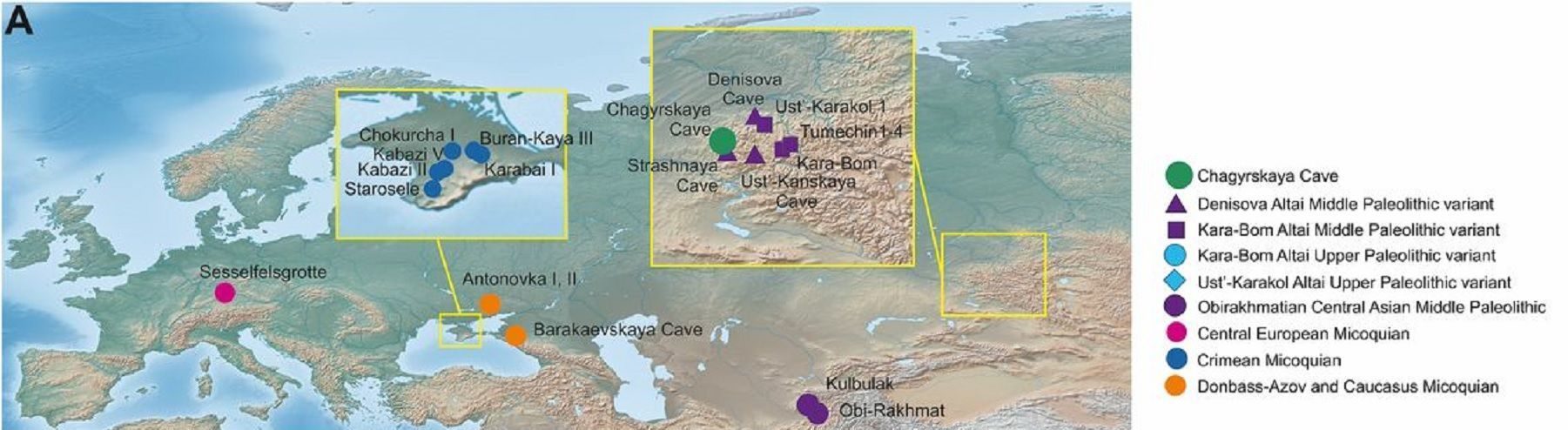
© Kolobova et al. PNASSite map and principal component analysis of MP and UP lithic assemblages. (A) Location of sites with Levallois-Mousterian and Micoquian assemblages used for statistical comparison with Chagyrskaya Cave artifacts
Among the 74 Neanderthal fossils and 90,000+ stone artefacts which have been found at the Chagyrskaya Cave since 2007 are over 1,200 items carved from bison bones, including tool-making tools, piercings, knives and scrapings. The first Neanderthals are believed to have made it to Siberia some 100,000 years ago. The Micoquian tool-armed Neanderthals are thought to have made it to the area about 60,000 years ago.
Academics have yet to discover what caused the Neanderthals to die out some 40,000 years ago, although it is believed that competition with humans, climate change and disease played a role.



Reader Comments