

© unknownGluten can be found in many common foods such as bread and baked goods.
Unfortunately, a significant number people have an adverse reaction to gluten when they consume it, meaning that they must adhere to a gluten-free diet to remain healthy.
This Knowledge Center article provides further information on gluten, including why some people should avoid consuming it and which foods are known to contain gluten.
Fast facts on gluten
Here are some key points about gluten. More detail and supporting information can be found in the main article.
- Gluten refers to a protein that is present in wheat, rye and barley
- Gluten can be found in food products as diverse as salad dressings and beer
- Cosmetics, medications and nutritional supplements can also contain gluten
- For people with celiac disease, gluten causes damage to the small intestine
- Celiac disease should be treated with a gluten-free diet
- Gluten is only hazardous to the health of people with celiac disease.
Comment: Gluten, by its very nature, damages the intestines of everyone. When the body comes in contact with gluten, it produces antibodies against the 'foreign' nature of the protein. The problem is, proteins found in wheat and dairy are very similar to those that make up the first line of defence within the intestinal walls. The problem of this 'molecular mimicry' means that the body then learns to identify its own tissues as a foreign invader, leading to it attacking itself and producing auto-immune diseases.
The damage done to the intestines then leads to the compromise of gut-wall integrity, eventually allowing food and toxins to pass through the wall and into the bloodstream. This disastrous condition will then cause a host of problems anywhere in the body, from skin conditions to brain damage.
What is gluten?
Gluten is a name given to proteins found in all forms of wheat, barley, rye and triticale. These proteins help bind foods together, maintaining their shape.
Gluten is most commonly found in foods such as bread, cereals, baked goods and pasta for which wheat, barley, rye and triticale are often key components. However, these grains are also used less obviously in other foods, including soups, food coloring, sauces, salad dressings, vinegar and beer.
An individual may need to eat a gluten-free diet for several reasons.
Celiac disease is an autoimmune disorder in which someone is genetically predisposed to have a reaction to gluten that damages the small intestine. This leads to intestinal damage, poor nutrient absorption and physical pain. A person with celiac disease should consume a completely gluten-free diet.
Gluten sensitivity is a condition in which individuals may experience abdominal pain, bloating, diarrhea, constipation, headaches and fatigue after consuming gluten. Those with gluten sensitivity will not experience the small intestine damage that a person with celiac disease will. Elimination of gluten may improve these symptoms.
Comment: The idea that intestinal damage is only experienced by those diagnosed with 'full-blown' celiac disease is a myth predicated on the inadequate practice of intestinal biopsies. These biopsies can be compared to taking a bucket of water from a lake, not finding a fish in it and concluding that there are no fish in the lake.
This often leads to the problem of people who actually do have celiac disease going undiagnosed.
Some people also choose to follow a gluten-free diet because they believe that it is a healthy diet to follow. However, there is limited evidence to suggest that gluten is bad for your health outside of celiac disease. You can learn more about the trend of following a gluten-free diet in our Spotlight article.
Last year, Gaynor Bussell, a dietitian and spokesperson for the UK's Association for Nutrition, told Medical News Today: "Gluten is only bad for health if you are a celiac."
Comment: See previous comments, and as always, do your own research. There are billion-dollar-a-year industries who have a vested interest in the worldwide consumption of grain products. Such industries use their vast power to influence government policy and healthcare information and guidelines.
Avoiding gluten
For individuals trying to avoid gluten, checking ingredient labels is extremely important. If a product contains wheat, it will be clearly labeled under allergy information. Products labeled wheat-free are not necessarily gluten-free. They may still contain spelt (a form of wheat), rye or barley-based ingredients, for example.
A law enacted in August 2014 by the FDA ensures that all products labeled gluten-free are safe for individuals with celiac disease or gluten intolerance to consume.
Some non-food products may contain hidden sources of gluten, sometimes in the form of lecithin. Always check the ingredients for the following products if you are avoiding gluten:
- Prescription and over-the-counter medication
- Vitamin, mineral and herbal supplements
- Cosmetics
- Lip balm
- Other skin and hair products
- Toothpaste and mouthwash
- Adhesive glue found on stamps and envelopes
- Modeling dough.
Cross-contact can frequently occur with:
- Toasters
- Colanders
- Cutting boards
- Oil used in fried foods
- Shared containers
- Utensils.
Gluten-free foods
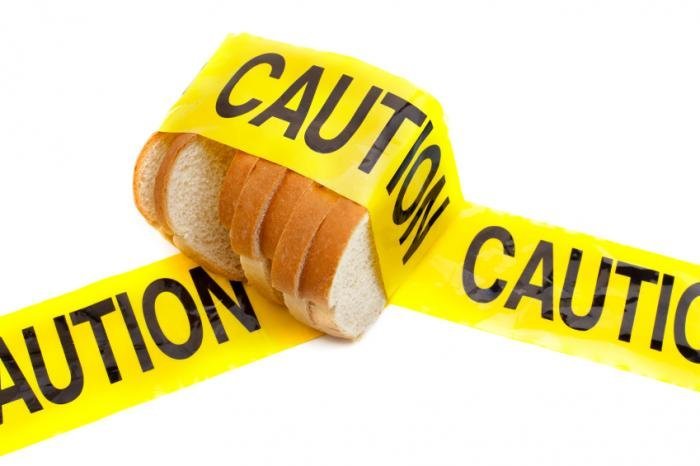
© unknownWhile bread is typically a source of gluten, there are many other foods that are naturally gluten-free.
- Fruits
- Vegetables
- Legumes
- Meat
- Dairy products
- Eggs.
Rice and quinoa are naturally gluten-free.
Comment: Since grains can't fight back against the creatures that eat them, every one of them contains potentially harmful proteins that they produce as their natural defence mechanism. An elimination diet, where one removes all potentially allergenic foods for a period of time and then introduces them back in one at a time, is an excellent way to determine which foods you may have reactions to.
It is important to not self-diagnose the need for a gluten-free diet. If you suspect that you should eliminate gluten from your diet, talk to your doctor or a registered dietitian first.
Comment: While it's important to always seek medical advice for health problems, millions of people are suffering illnesses and diseases exacerbated by the ignorance of their doctors. For many who have been failed by the healthcare system, taking responsibility for their own health and wellbeing has been life changing.
See: The Health and Wellness Show: Testimonials



Reader Comments
to our Newsletter