

© Mario Anzuoni / Reuters The moon is pictured atop a downtown building in Los Angeles, California August 28, 2015.
In fact, the term 'supermoon' is not astronomical. Scientists call this event a 'perigee moon': it takes place when the full Moon reaches the closest point to Earth on its oval orbit. This point is called perigee and it is about 50,000 km closer to our planet than the opposite side of the Moon's elliptical path - apogee.
#SuperMoon over #Austin came out for a few moments - but has been hiding behind the clouds tonight #txwx #Texas pic.twitter.com/uumgNGiEzf
— Tornado Trackers (@tornadotrackers) August 30, 2015The term 'supermoon' was first coined by astrologist Richard Nolle back in 1979, who defined it as "a new or full moon which occurs with the moon at or near (within 90 percent of) its closest approach to Earth in a given orbit."
What's a #SuperMoon pic.twitter.com/ubMh09oTJ8
— zodiac forum (@zodiacforum) August 29, 2015NASA says that this 'supermoon' or 'perigee moon' is up to 14 percent larger and 30 percent brighter than the opposite phenomenon - a 'micromoon.'
Such celestial phenomena are not rare - there were five supermoons in 2014, and there will be six in 2015. Three have already occurred - in January, February and March - one will be observed tonight, and two are still to come, in September and October.
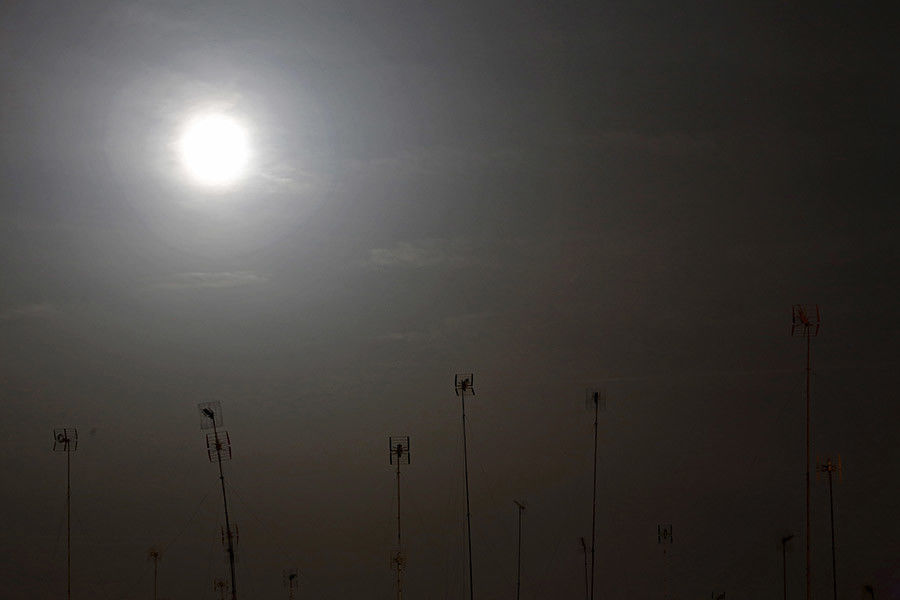
© Marcelo del Pozo / Reuters The moon is pictured over television antennas near the Andalusian capital of Seville, southern Spain August 29, 2015. © Marcelo del Pozo / Reuters
Native Americans used to give every full moon a special name. For example, the full moon in August was often referred to as the Sturgeon Moon.
#Gardening by the #Moon for August 29 - Excellent for any vine crops such as... http://t.co/1C3nCo9Nan
— The Farmers' Almanac (@FarmersAlmanac) August 29, 2015"The fishing tribes are given credit for the naming of this Moon, since sturgeon, a large fish of the Great Lakes and other major bodies of water, were most readily caught during this month," the Farmer's Almanac website says.
"A few tribes knew it as the Full Red Moon because, as the Moon rises, it appears reddish through any sultry haze. It was also called the Green Corn Moon or Grain Moon," the site adds.
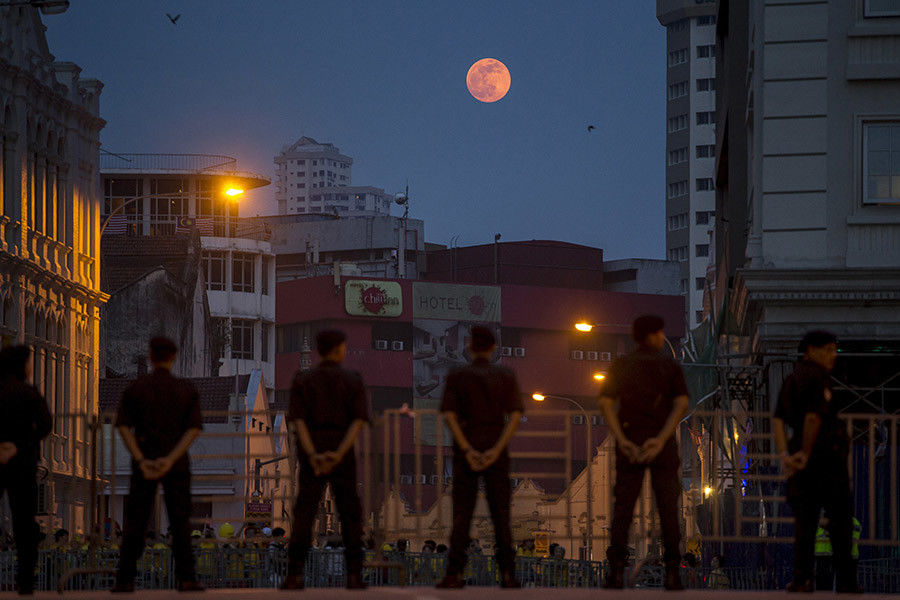
© Athit Perawongmetha / Reuters The moon rises as police officers stand guard near Central Market in Malaysia's capital city of Kuala Lumpur, August 29, 2015.
The next two supermoons will be called the Harvest Moon (September) and the Hunter's Moon (October).
#Supermoon From East Matunuck Beach RI @SurfSkiWxMan @tjdelsanto @JimCantore @NBC10_Mark @AccuRayno @Ginger_Zee pic.twitter.com/H4cZRpA0u0
— Eweather (@Eweather13) August 30, 2015The Year 2015 has done a lot to thrill social media with astronomical events of all kinds. In July the world witnessed a phenomenon dubbed the Blue Moon. However, it wasn't really blue and looked like a regular full moon. The label Blue Moon is applied to the second full moon in a single month, which occurs very rarely, hence the expression - "once in a Blue Moon."
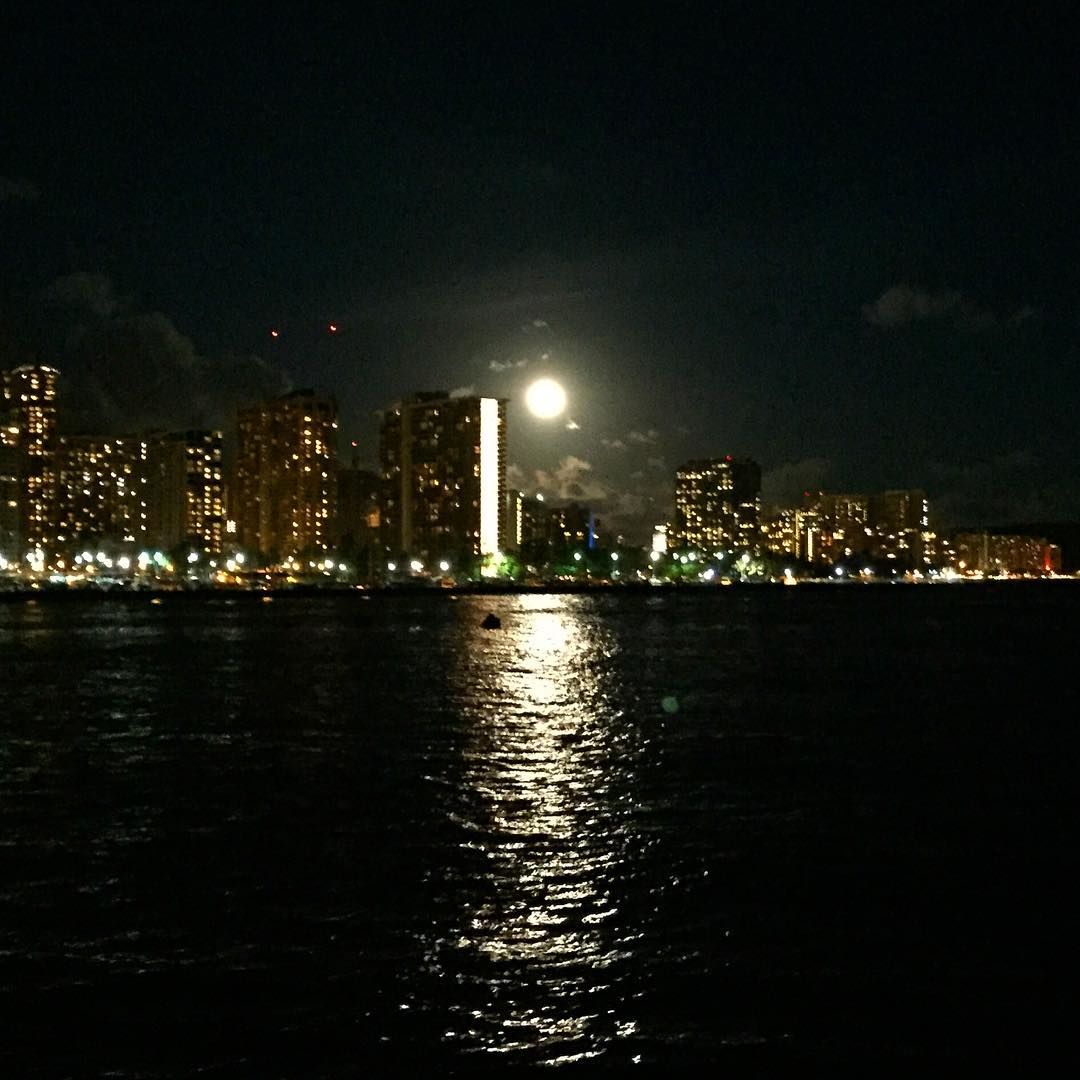
© jerseytohawaii - Instagram #hellomoon #fullmoon #supermoon #waikiki
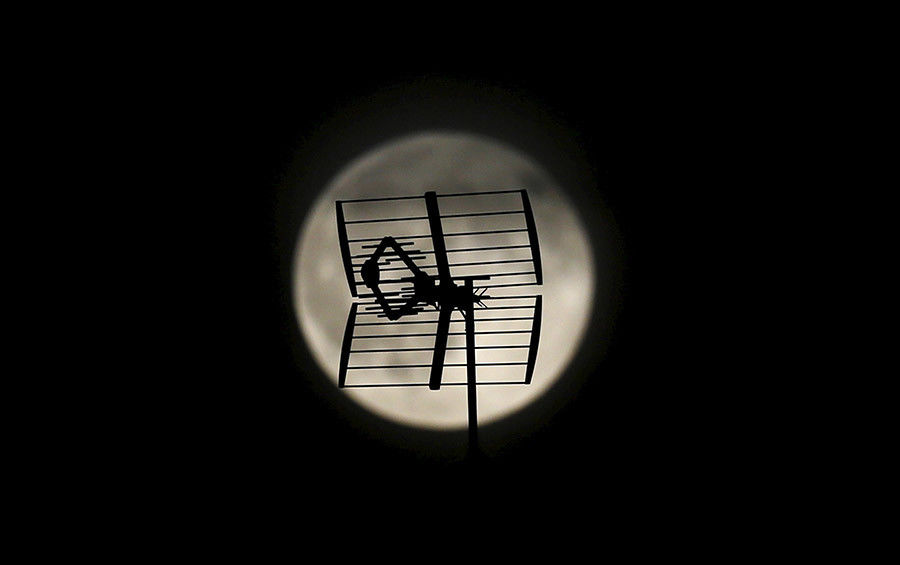
© Marcelo del Pozo / Reuters The moon is pictured behind a television antenna near the Andalusian capital of Seville, southern Spain August 29, 2015.
#sturgeonmoon #Supermoon over Lake Bellaire, MI pic.twitter.com/YhrdjLTfVD
— dpomp (@dpomp) August 30, 2015The #SuperMoon is very bright. pic.twitter.com/gYIm12UqV7
— chloedancer (@chloedancer) August 30, 2015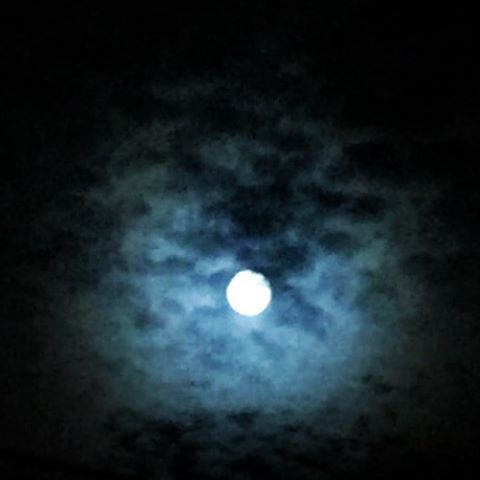
© ekathl624 - Instagram The moon was beautiful tonight #supermoon #fullmoon
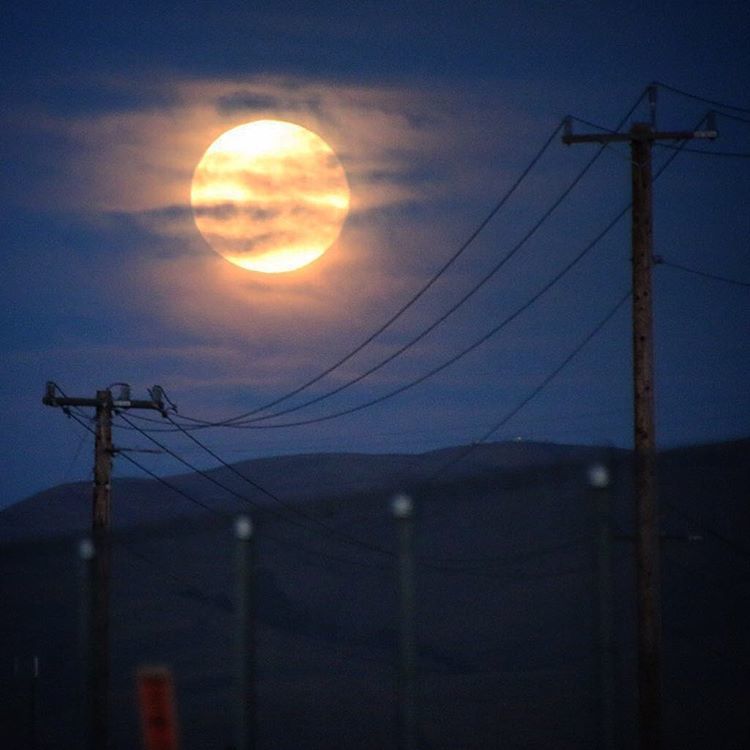
© richiewynne - InstagramTonight's #supermoon coming over the #altamont #livermore #alamedacounty #norcal #Moon



Reader Comments
to our Newsletter