
Before disintegrating into thousands of meteorites, the meteor that Russians watched blazing across the sky in a burst of bright light, probably weighed around 7,700 tons and was about 49 feet across, NASA estimated.
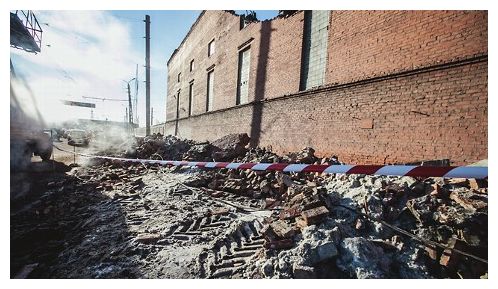
© ITAR-TASS/NewscomA zinc factory was damaged when meteorites struck the Russian City of Chelyabinsk.
The largest impact ever recorded occurred in 1908 near the Podkamennaya Tunguska River in Siberia. Known as the "Tunguska event," a meteor or comet estimated to have been 300 feet wide struck the Earth with the force a nuclear bomb 1,000 times larger than Hiroshima.
The explosion in an isolated, rural area is estimated to have felled 80 million trees, covering an area the size of a city.
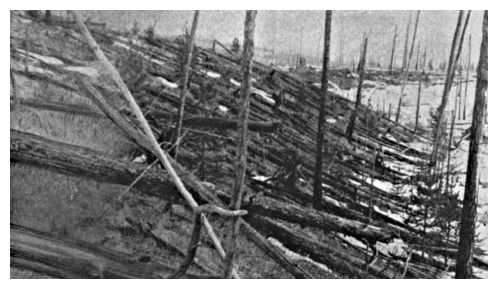
© Getty ImagesThe Tunguska event in 1908, is the largest recorded impact by an asteroid striking the Earth.
The first American injured directly by a meteorite was Ann Elizabeth Hodges, a 31-year-old woman living in Sylacauga, Ala., on Nov. 30, 1954.
Hodges was taking a nap, when a meteorite, about the size of a grapefruit, crashed through the roof of her home, bounced off a console radio and struck near her hip. She lived, but got a hell of a welt.

© Jay Leviton/Time & Life Pictures/Getty ImagesAnn Elizabeth Hodges was struck by a meteorite while inside her home in Sylacauga, Ala. in late 1954.
As villagers went to inspect the impact site they began to feel ill, reporting different symptoms including nausea and vomiting. Peruvian scientists later determined that the meteorite itself was not toxic but had landed on, and heated, a natural arsenic deposit.
No impact event in the entire course of human history comes anywhere close to the giant meteors that fell to Earth, causing mass extinctions including the dinosaurs 65 million years ago.
That object is believed to have been more than 6 miles across.
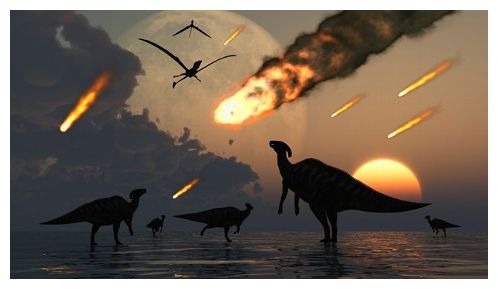
© CorbisThe dinosaurs are believed to have been killed off 65 million years, ago following the impact of a giant meteor.



Reader Comments
to our Newsletter