
© Unknown
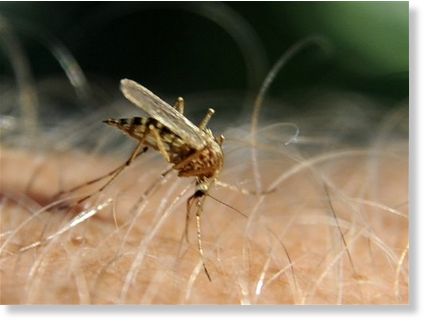
Researchers found that mosquitoes are disappearing from regions with few preventative measures available. The researchers are uncertain if mosquitoes are being eradicated or if the mosquito has dipped and later return with renewed vigor.
Tanzania, Eritrea, Rwanda, Kenya and Zambia reported reduced incidences of malaria cases. Researchers believe this observation could be due to effective implementation of control programs, such as the deployment of bed nets treated with insecticide.
But Danish and Tanzanian scientists predict there is more to the story that effective control programs. These scientists have collected and counted mosquitoes over the past 10 years in Tanzania. In 2004, they caught over 5,000 insects, and in 2009, that had dropped to 14 mosquitoes.
Some scientists believe that climate change is altering where mosquitoes are living, thus changing the regions where malaria infection hit hardest. Thus. researchers are unsure when or if mosquito populations will return to these regions. If the mosquito population returns later, health officials are concerned that communities will be negatively affected because people who have not been exposed to malaria over the past five year or so have weakened immune systems to malaria infections and must rebuild their adaptive immunity to malaria again. Adaptive immunity to malaria has been reported to be established after about 1,000 infected mosquito bites, but can be lost after periods of reduced or no infection.
Thus with low mosquito populations now, fewer people are becoming infected with malaria. But if the mosquito population starts increasing again, it may develop into an epidemic of malaria with a higher level of disease and mortality especially amongst these children who have not been exposed.



Reader Comments
to our Newsletter