
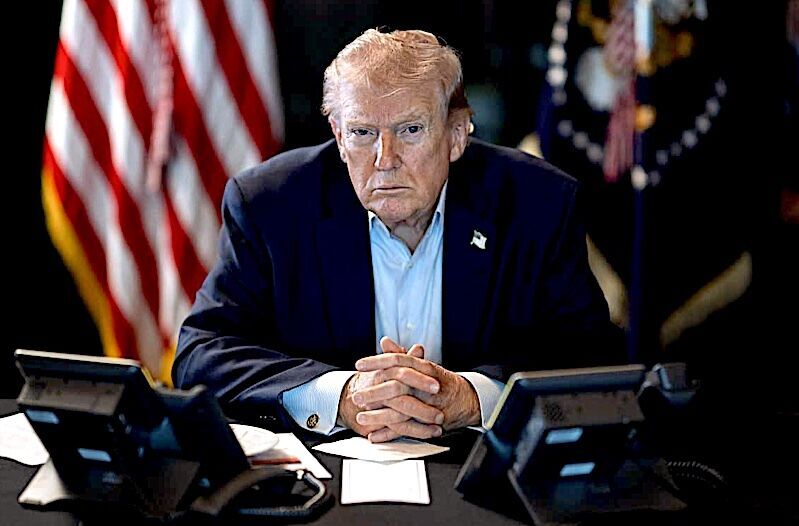
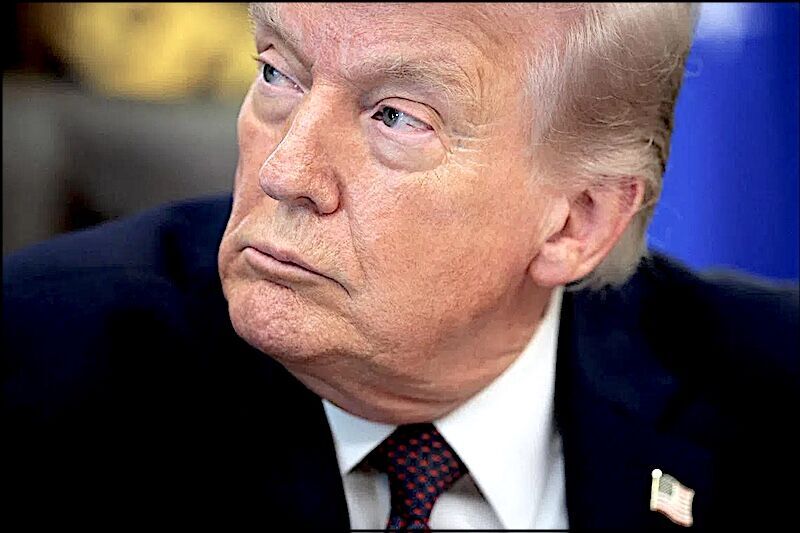
© White House/Daniel Torok/FLICKRUS President Donald Trump oversees the War on Iran from Mar-A-Lago • Palm Beach, Florida • March 1, 2026
On Sunday morning, as Christians across Iran and the world marked Easter, Donald Trump posted a profanity-laced ultimatum on Truth Social:
"Tuesday will be Power Plant Day, and Bridge Day, all wrapped up in one, in Iran," he wrote. "Open the Fuckin' Strait, you crazy bastards, or you'll be living in Hell — JUST WATCH!"The post was the latest in a week of escalating threats — to bomb Iran "back to the Stone Ages," to destroy its power plants, bridges, and "possibly all desalinization plants" after a ten-day deadline issued on March 26 expires at 8 p.m. ET on Tuesday. Over a hundred international law experts have already warned that targeting civilian infrastructure constitutes a war crime under the Geneva Convention. Trump, characteristically, appears neither to have read their letter nor to care.
The language is Trump's own: crude, performative, calibrated for the scroll. But the logic it serves is not his. It belongs to a longer and more deliberate tradition of strategic thought — one that was articulated, with far greater sophistication, more than three decades ago. It has been advancing, precedent by precedent, toward exactly this moment, and to understand how threats of destroying Iranian civilian infrastructure not only became thinkable but inevitable, one must return to the man who first laid the intellectual groundwork for it in the contemporary age: Eliot Cohen.

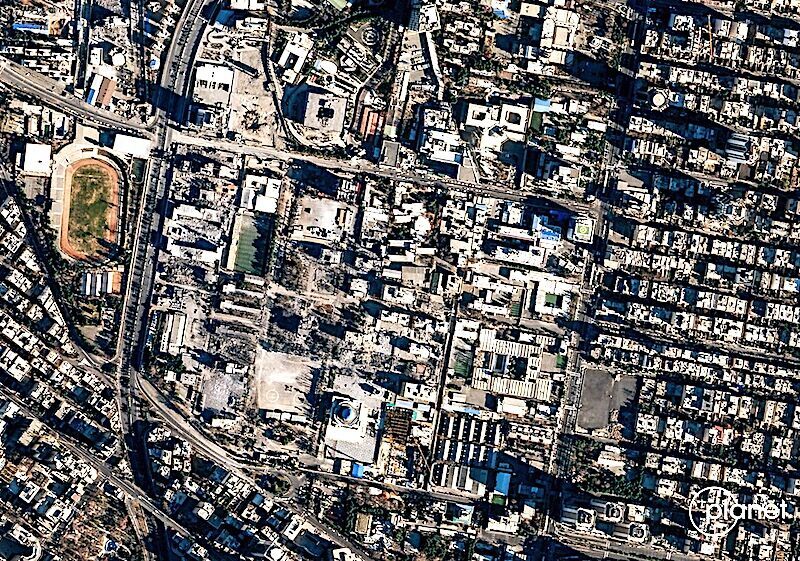

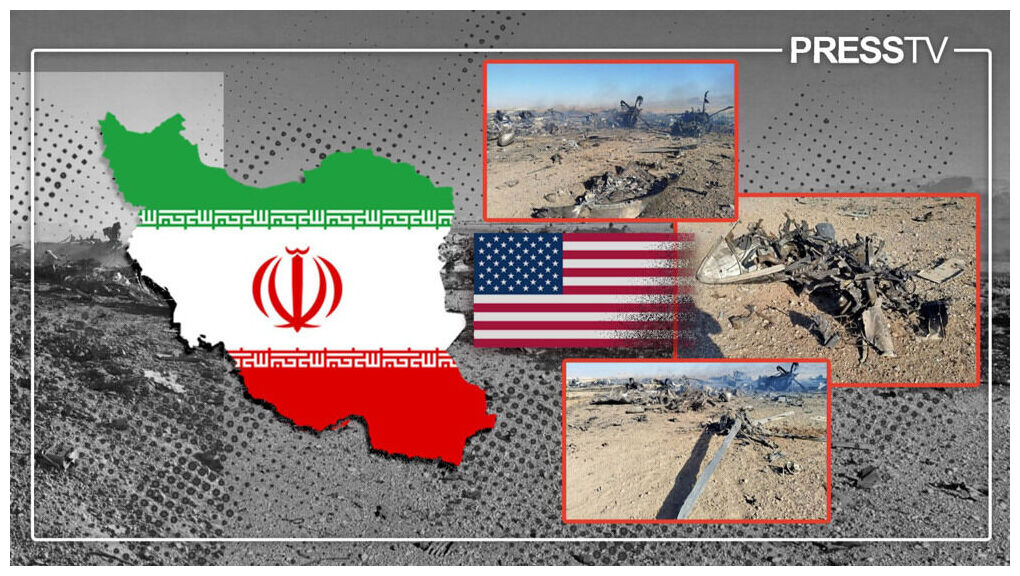

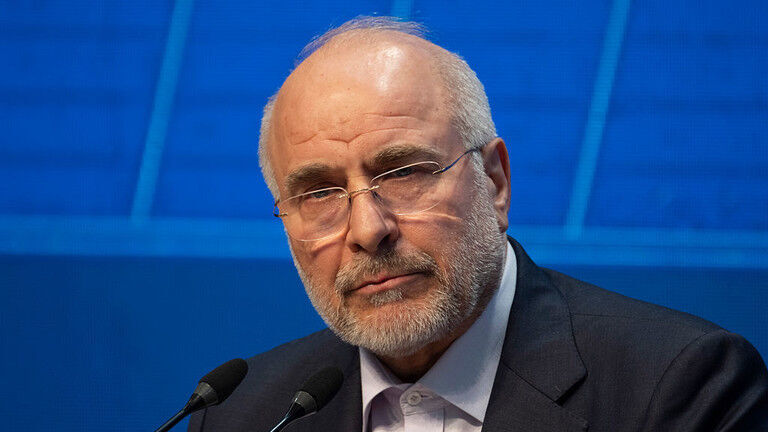






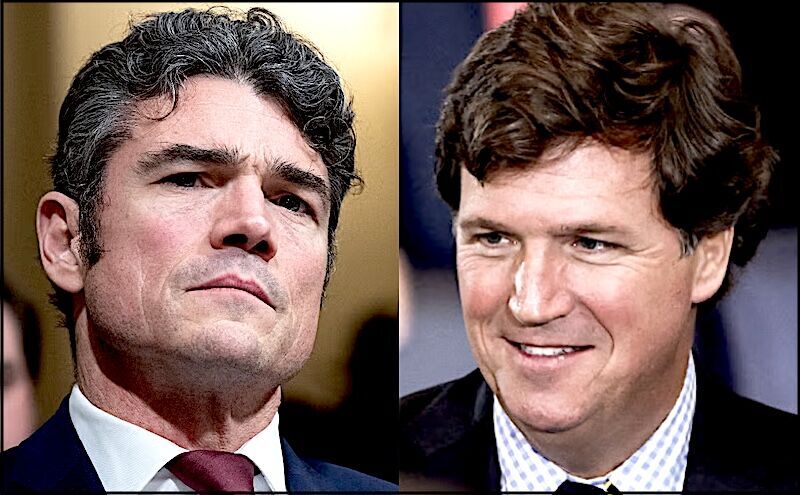



Comment: How war morphed from 'there to here' 'from then to now' over decades by specific design:
Gulf War Air Power Survey Summary Report by Thomas A. Keaney and Eliot A. Cohen