Storms
S


Windsock

Wyoming, US: Wind gusts top 60 mph, trucks topple on highway

toppled trucks Wyoming
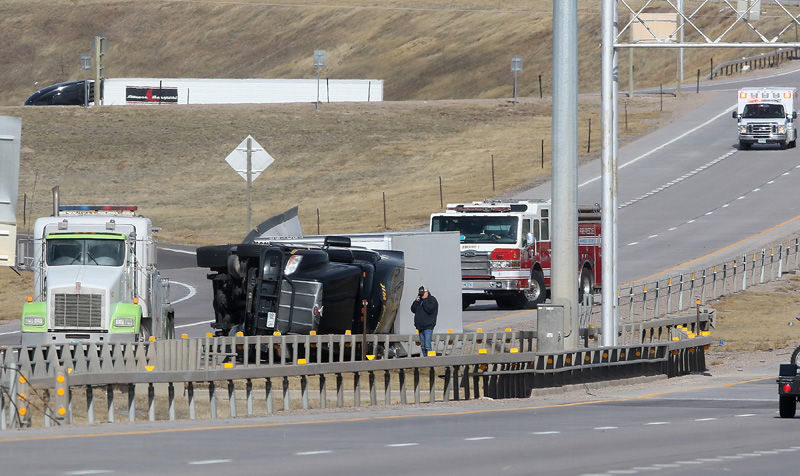
© Blaine McCartney/Wyoming Tribune EagleA truck driver speaks on the phone after his semitractor-trailer combination blew over in the southbound lane on Interstate 25 near the interchange with Interstate 80 on Monday in Cheyenne. High winds caused numerous accidents mainly south of Cheyenne, resulting in the temporary closure of I-25 leading to Colorado.
With wind gusts topping 60 miles per hour Monday, semitractor-trailer combinations were tottering and tipping on highways near Cheyenne.

A wind advisory was out most of the day for light, high-profile vehicles, such as trucks with empty cargo compartments.

But despite those warnings, nine semitractor-trailers had blown over on Interstate 25 between Cheyenne and the Colorado border between 9:26 a.m. and 5:15 p.m., according to Lt. David Wagener of the Wyoming Highway Patrol. The interstate was closed for about an hour around 3:30 p.m. to clean up crashes in both lanes, according to emails from the Wyoming Department of Transportation.

Comment: More wind speed events have been reported recently around the globe. However, overall wind speeds seem to have slowed down since1960.


Cloud Precipitation

California sees its wettest water year on record in 2016-17

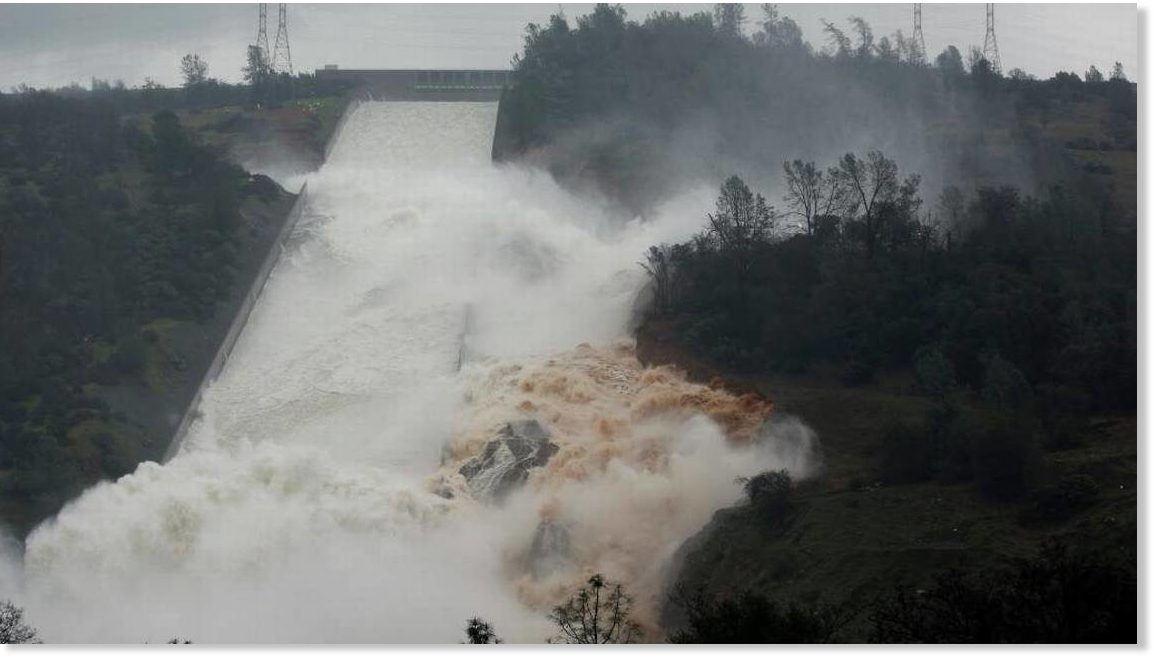
Water flows through break in the wall of the Oroville Dam spillway during heavy rains on Thursday, Feb. 9, 2017.
© Rich Pedroncelli /APWater flows through break in the wall of the Oroville Dam spillway during heavy rains on Thursday, Feb. 9, 2017.
Massive floods hit Houston and devastating hurricanes struck Puerto Rico and the Caribbean. Yet one of the more remarkable stories in the past year is the catastrophe that did not happen: massive flooding in California.

California experienced its wettest water year on record in 2016-17. In previous decades, that huge volume of water would have caused lethal floods, particularly in the Central Valley.

In part, we were lucky. Reservoirs were empty from drought so they had abundant capacity, and there was sufficient time between big storms so the rainfall didn't stack up. Dams and major levees held, though the near-failing of Oroville Dam's spillway and the flooding of the small town of Maxwell in February showed it could have been much worse.

Ice Cube

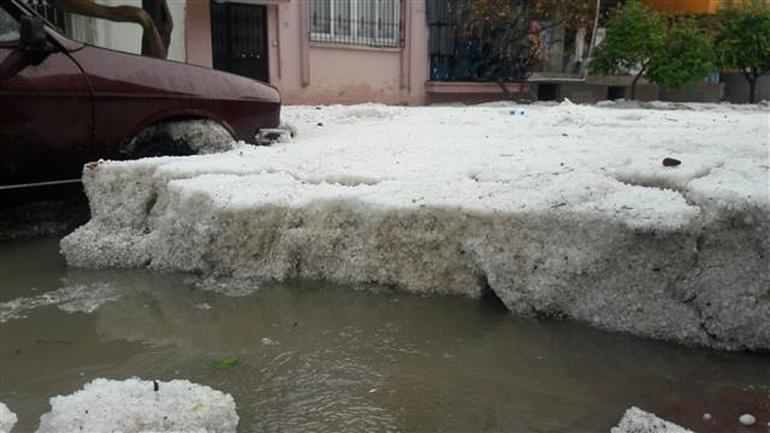
Severe storm produces large hail accumulations in Mersin, Turkey

Hail in Mersin, Turkey
© hurriyetlarge hail accumulation in Mersin, Turkey.
A severe storm brought heavy rain and walnut sized hailstones to Turkey's Mediterranean coastal city of Mersin on Sunday, November 19, 2017. According to local media it produced large hail accumulations and caused havoc for motorists.


Attention

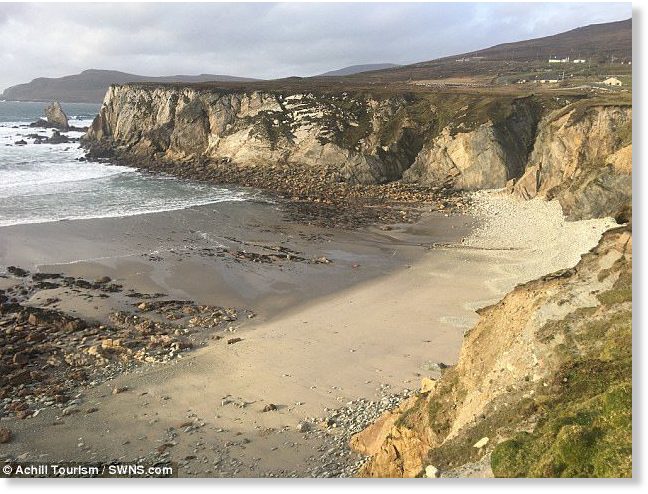
Sandy beach that 'vanished' 12 years ago in freak storm suddenly returns overnight in Mayo, Ireland


Comment: This is the 2nd time this has happened this year on the very same Achill Island. In May, the sand at Dooagh - on the Western side of the island, that was washed away by freak storms 33 years ago leaving only bare rock, reappeared to the delight of locals. In the last few days, freak storms again were responsible for bringing the sand back to the beach at Ashleam Bay, this time on the Southern coast of the island.


Islanders are celebrating after the beautiful beach at Ashleam Bay (pictured), which 'vanished' 12 years ago, suddenly reappeared overnight
Islanders are celebrating after a beautiful beach which 'vanished' 12 years ago suddenly reappeared overnight.

The white sands of Ashleam Bay on the picturesque island of Achill off the coast of Mayo in Ireland were washed away during a freak storm in 2005.

But following recent freak weather locals noticed the beach had suddenly returned
- and are now enjoy a stroll on the sand once more.

Seán Molloy, manager of AchillTourism.com, said recent stormy weather had cleared the beach of rocks and boulders, and Storm Brian dumped a load of sand in their place.

Mr Molloy said: 'It came back after Storm Brian. It brought the first amount of sand and cleared the boulders that was on the beach way as well.


Cloud Precipitation

Towering 8 metre waves batter rescue boat as horrific storm foils efforts to find Argentine navy sub

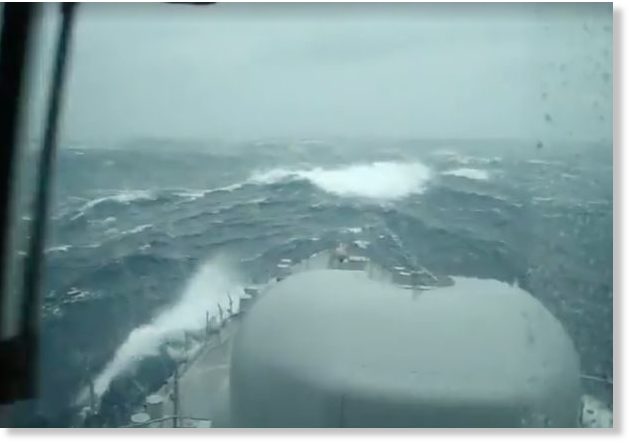
Footage from the vessel shows horrific conditions
A horrific storm has thwarted emergency efforts to find an Argentine navy submarine missing in the South Atlantic with 44 crew members.

Footage from a search boat showed horrendous sea conditions as waves eight metres in height crashed over the deck.

Winds of 90km have been battering the vessel for three days, according to reports.


The defence ministry said the ARA San Juan appeared to try to make contact through seven failed satellite calls on Saturday between late morning and early afternoon.

The vessel was 432 km (268 miles) off Argentina's coast when its location was last known early on Wednesday.

And as the storm complicated desperate search efforts, authorities spent Sunday trying to trace the submarine's location through data from the satellite calls without significant progress.


Comment: See also: US Navy and NASA join the hunt for missing Argentine submarine which vanished 250 miles off the coast of Patagonia almost 3 days ago - UPDATES


Cloud Precipitation

Freak hailstorm injures dozens and destroys 50 homes in Zimbabwe

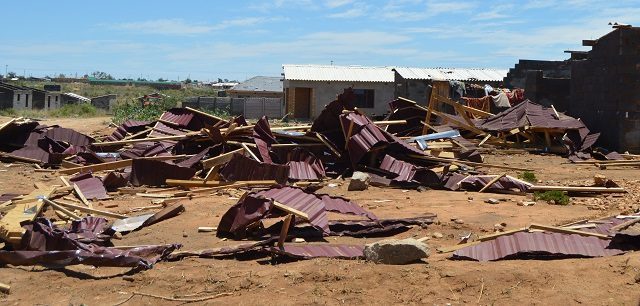
Freak hailstorm destroys 50 homes and injures dozens in Zimbabwe By Strange Sounds - Nov 17, 2017
© ChronicleDesolation after an freak hailstorm hits and destroys a city in Zimbabdwe
Apocalyptic hailstorm destroys 50 houses and injures dozens in Zimbabwe on November 15, 2017. Sometimes mother nature is passive aggressive, throwing a horrifying curve ball out of the clear blue sky. Something that you could never see coming. Something that you probably didn't even know was possible. On Nov. 15th, more than 10 people were injured and rushed to Mpilo Central Hospital after their homes collapsed following an apocalyptic night hailstorm that left 50 families homeless in Emthunzini suburb on the outskirts of Bulawayo in Zimbabwe. The 1-hour-long hailstorm also destroyed properties in Pumula South and Nkulumane suburbs, with the roofs of some houses being blown away. A real disaster!

The hailstorm started just after 9PM and lasted approximately one hour. First came the strong winds, then loud noises from the outside. Before residents started to understand what was going on, the doors and roofs were blown away and the walls started shaking and bricks started falling. 50 houses were completely annilihated, had crumbled down, leaving 50 families homeless. The apocalyptic situation was worsened by power outages.

Cloud Precipitation

Has something changed in Earth's atmosphere?

South Africa winter storm
© YouTube/Adapt 2030 (screen capture)
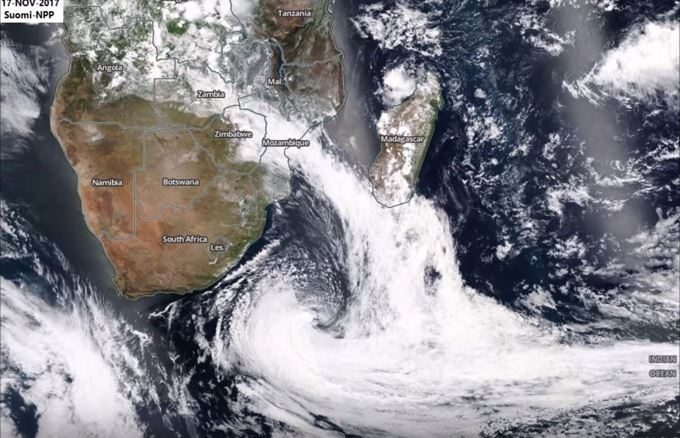
Something has just changed in Earth's atmosphere. This week alone atmospheric compression events deluge Greece and Italy with once in a multi-century floods, feet of snow, winter storms a few weeks before summer in South Africa, November typhoon out of season far far south near Cambodia, UK colder than Moscow and 14 locations have been chosen for geoengineering programs to begin in our atmosphere.


Snowflake

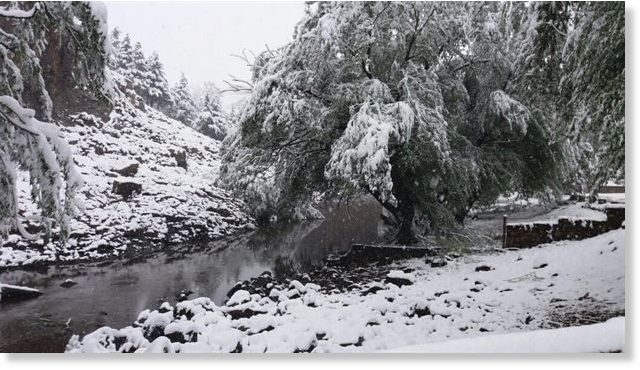
Heavy spring snowfall closes Lesotho border post near Matatiele, South Africa

While November is known to be a summer season with frequent rains to cool things down, snow has been spotted in Barkly East, Elliot, Swartberg KZN, Sani Pass, Sani Top, Lesotho, .
© Armelle HalseWhile November is known to be a summer season with frequent rains to cool things down, snow has been spotted in Barkly East, Elliot, Swartberg KZN, Sani Pass, Sani Top, Lesotho, Matatiele, Clarens Free State, St Bernards Peak, Underberg, Himeville and Fouriesburg.
South Africa and Lesotho decided to close the Qasha's Nek border port of entry on Friday because of dangerous conditions caused by heavy snowfalls.

"A heavy disruptive snowfall at the port has created harsh conditions for travellers from both countries, resulting in extremely dangerous underfoot conditions for all including officials," said a statement issued on Friday by department of home affairs spokesman Thabo Mokgola.

Telephone lines have been damaged and electricity outages reported in the area.

The border post is close to Matatiele.


Comment: See also: Heavy snowfall in spring sweeps across South Africa; 30cm (1 foot) recorded


Cloud Precipitation

Atmospheric compression event in Europe brings heavy snow and biblical flood

Medicane over Med Sea
© YouTube/Adapt 2030 (screen capture)
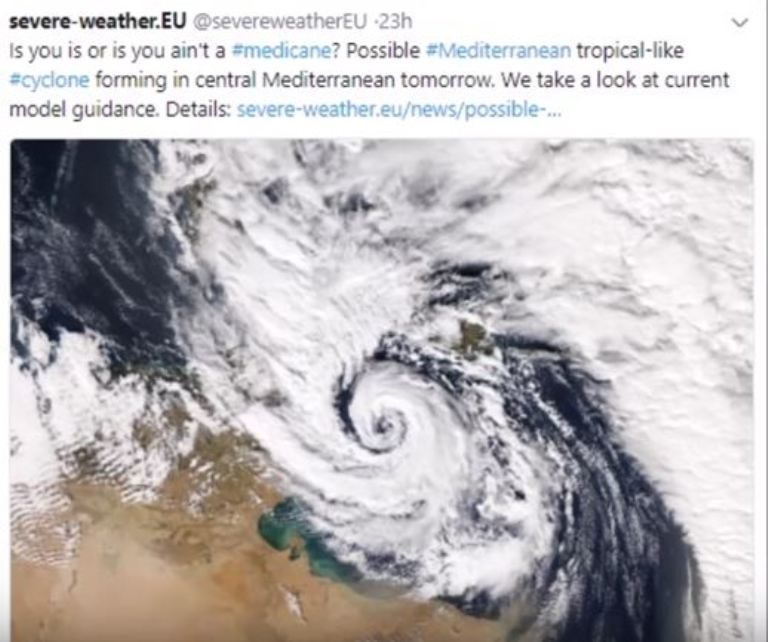
A rare medicane roared over the southern Mediterranean countries with an atmospheric compression event, biblical floods in Greece and three feet of snow with nine foot snow drifts. Ferocious electrical storms pummeled the region as well. The Northern Hemisphere cold with record cold on tap for next week across Asia.


Comment: For more information of the extreme weather occurring around the world, check out our Earth Changes Summary video for October 2017:


Cloud Precipitation

Storm Numa may become a rare 'medicane' in the Mediterranean Sea

Medicane
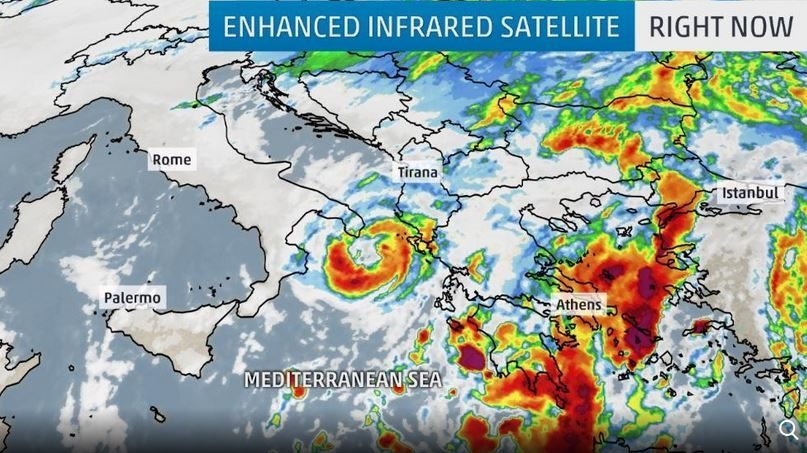
© The Weather Channel (screen capture)Current Satellite Image

(The highest cloud tops, corresponding to the most vigorous convection and heaviest rain, are shown in the dark red and pink colors.)
A Mediterranean Sea low-pressure system may develop into a "medicane", a nickname for systems in this area that gain some characteristics of Atlantic subtropical or even tropical cyclones, and may deliver more flooding rain to already flood-ravaged parts of Greece.

This area of low pressure, named Numa by the Free University of Berlin, is currently in the Mediterranean Sea southeast of Italy and will track east into Greece this weekend. Moisture from the broader gyre of low pressure associated with this system has already brought heavy rainfall and deadly flooding to portions of Greece.


More rainfall is expected in the region through Saturday, as this area of low pressure is expected to move east toward Greece.

Numa's center is currently located just south of Puglia, Italy. Showers and thunderstorms have become more concentrated near the low-pressure center, wrapping into southeast Italy.

As mentioned earlier, various other clusters of heavy rain had propagated well to the east over Greece, Albania, Macedonia, Kosovo, Serbia, Bulgaria and western Turkey.

As you can see below, current water temperatures there are only around 20 degrees Celsius, below the 26 degrees Celsius (79 degrees Fahrenheit) normally needed to sustain a tropical cyclone in, say, the Atlantic or eastern Pacific basins.