
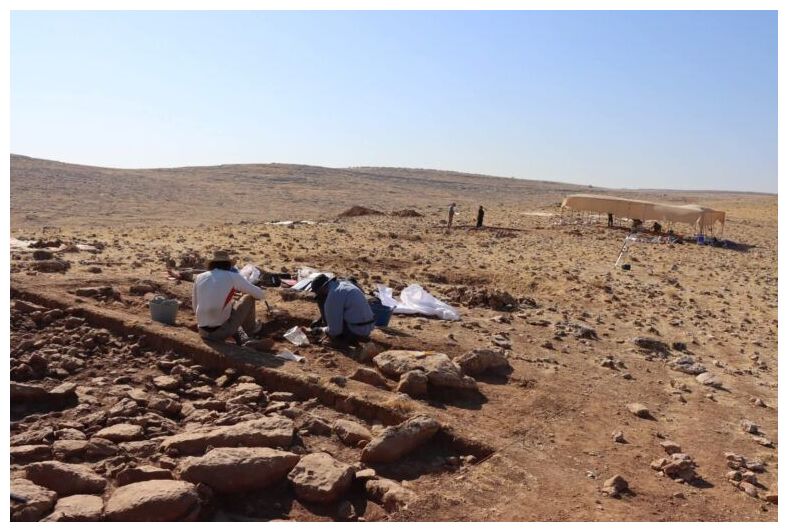
© Cebrail Caymaz/AAAerial view of the Mendik Tepe excavation site in Şanlıurfa, Türkiye, where archaeologists are uncovering early Neolithic structures that may predate Göbekli Tepe.
Excavations at Mendik Tepe, a prehistoric site in southeastern Türkiye, are advancing rapidly and
may reveal evidence older than Göbekli Tepe, the UNESCO World Heritage site widely regarded as the "zero point of history."
Professor
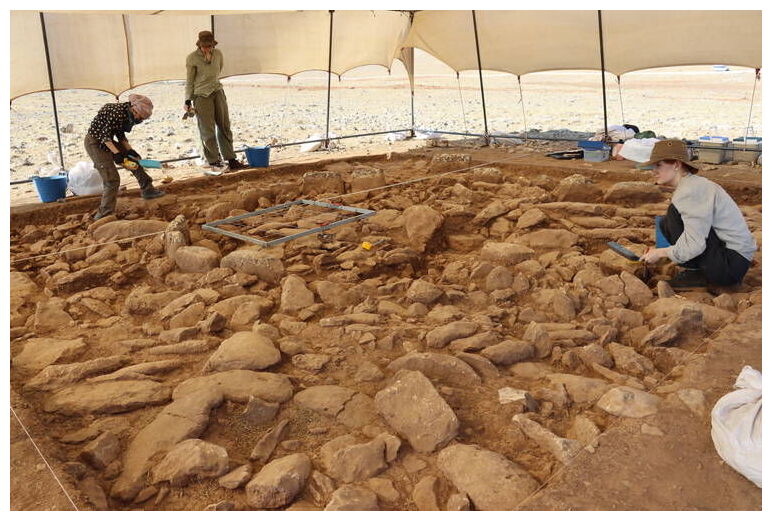
Douglas Baird of the University of Liverpool's Department of Archaeology, who leads the excavation, reported that structures of different sizes have been uncovered:
"Were the smaller buildings used for storage or food preparation? Could the medium-sized ones, around 4-5 meters, have served as houses? And were the larger buildings constructed for ritual purposes? One large structure, with its meticulous stonework, strongly suggests ritual significance."
According to Baird, the finds suggest Mendik Tepe dates back to the
very beginnings of the Neolithic period.
© Cebrail Caymaz/AA
"This site is connected to other settlements in the
Taş Tepeler Project, including Göbekli Tepe and Karahantepe, but it might be slightly older. These excavations will help us understand not only the development of the Taş Tepeler network but also how the Neolithic era itself began and progressed. Evidence from Çakmak Tepe, a nearby site excavated by Fatma Şahin, shows similar dates, indicating that both may predate other Taş Tepeler settlements. Unlike Göbekli Tepe and Karahantepe, where monumental T-shaped pillars dominate,
Mendik Tepe has upright stones of different forms, marking it as a unique settlement."
© Cebrail Caymaz/AA
Archaeologists believe the discoveries at Mendik Tepe could transform current knowledge about the transition from hunter-gatherer communities to
settled Neolithic life in the Fertile Crescent.





Reader Comments