
SOTT
SIGNS
OF THE
TIMES
OF THE
TIMES
Welcome to Sott.net
The World for People who Think

Horror. Wonder how the british brought this karma on themselves. Oh wait a minute. I wonder how did the colonial soldiers treat the locals...
Coming Soon: Black Sun Rising - The Esoteric Roots of Fascism Past and Present A New Canadian Patriot Production by Matthew Ehret [Link]
The people are being openly plundered while simultaneously treated as hostile enemies. Their anger is transmuted into “Hate”, “Racism” + “Phobia“...
Thanks, Jessica! I actually had a neighbour try to put the fear of Ebola in me earlier this week. It's coming to Canada by way of sports...
"Remember, there was joy before all this; and it's still here, if you just look for it" Ten divine moments celebrating life, from among the...
To submit an article for publication, see our Submission Guidelines
Reader comments do not necessarily reflect the views of the volunteers, editors, and directors of SOTT.net or the Quantum Future Group.
Some icons on this site were created by: Afterglow, Aha-Soft, AntialiasFactory, artdesigner.lv, Artura, DailyOverview, Everaldo, GraphicsFuel, IconFactory, Iconka, IconShock, Icons-Land, i-love-icons, KDE-look.org, Klukeart, mugenb16, Map Icons Collection, PetshopBoxStudio, VisualPharm, wbeiruti, WebIconset
Powered by PikaJS 🐁 and In·Site
Original content © 2002-2026 by Sott.net/Signs of the Times. See: FAIR USE NOTICE


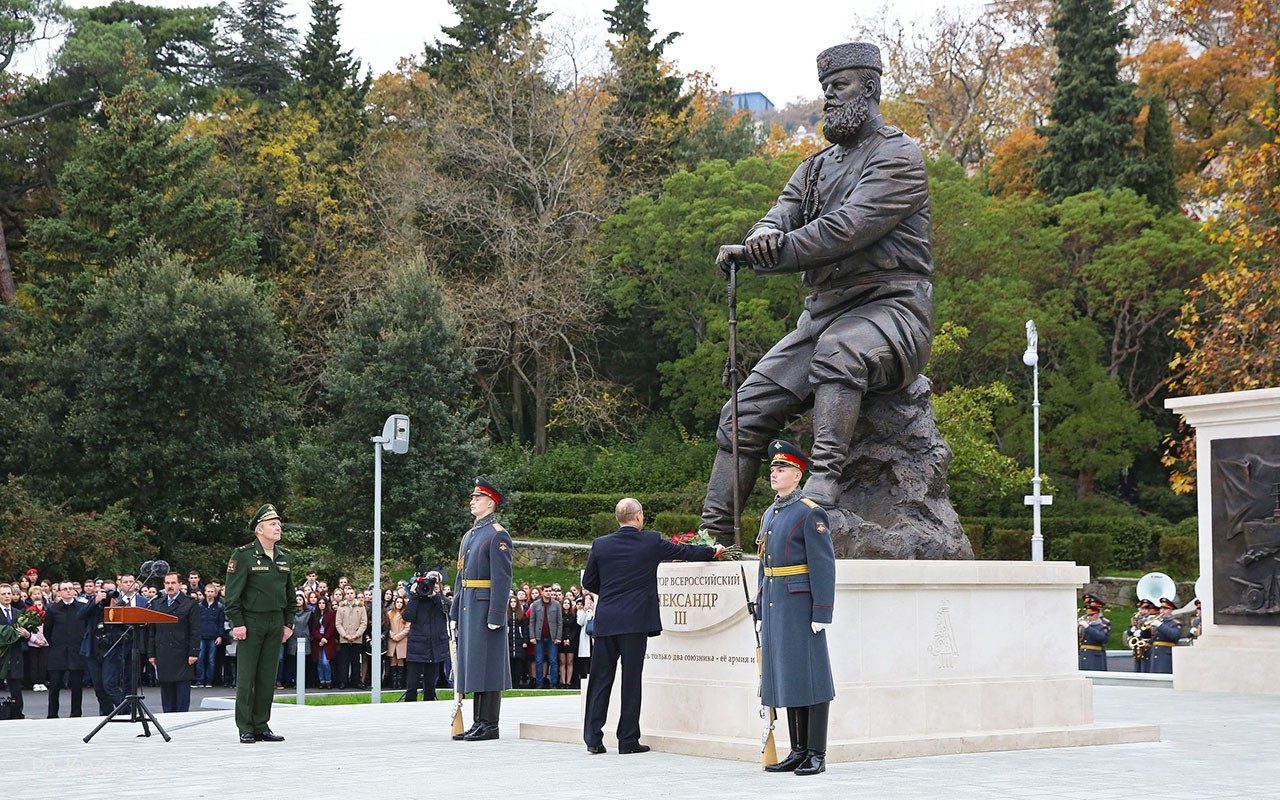
Comment: Western reporting on this has been - unsurprisingly - limited and, where present, wholly derogatory and insulting, with the British Telegraph suggesting that in doing so Putin is "seeking the reflected glory of Russian tsars."
Real people know that Putin has no need to seek such a thing, and that the Russian government's motive in promoting the memory of Alexander III, if anything, follows the same pattern of 'historical perestroika' ('opening up') that Russia has undergone in recent decades as it remembers its true history before it was eviscerated by the Bolshevik revolution.
The following passages are from The Third Rome: Holy Russia, Tsarism and Orthodoxy, ch. 14: Additionally, labor laws under Alexander III were world firsts - introducing workers' rights such as for limiting the number of hours worked by women and children in factories to 8, and only during the daytime, as well as guaranteeing them fair wages. It wouldn't be until the next century that western countries caught up.
He is remembered as 'the Peacemaker' because Russia fought no wars during his reign.