Extreme Temperatures
S


Snowflake Cold

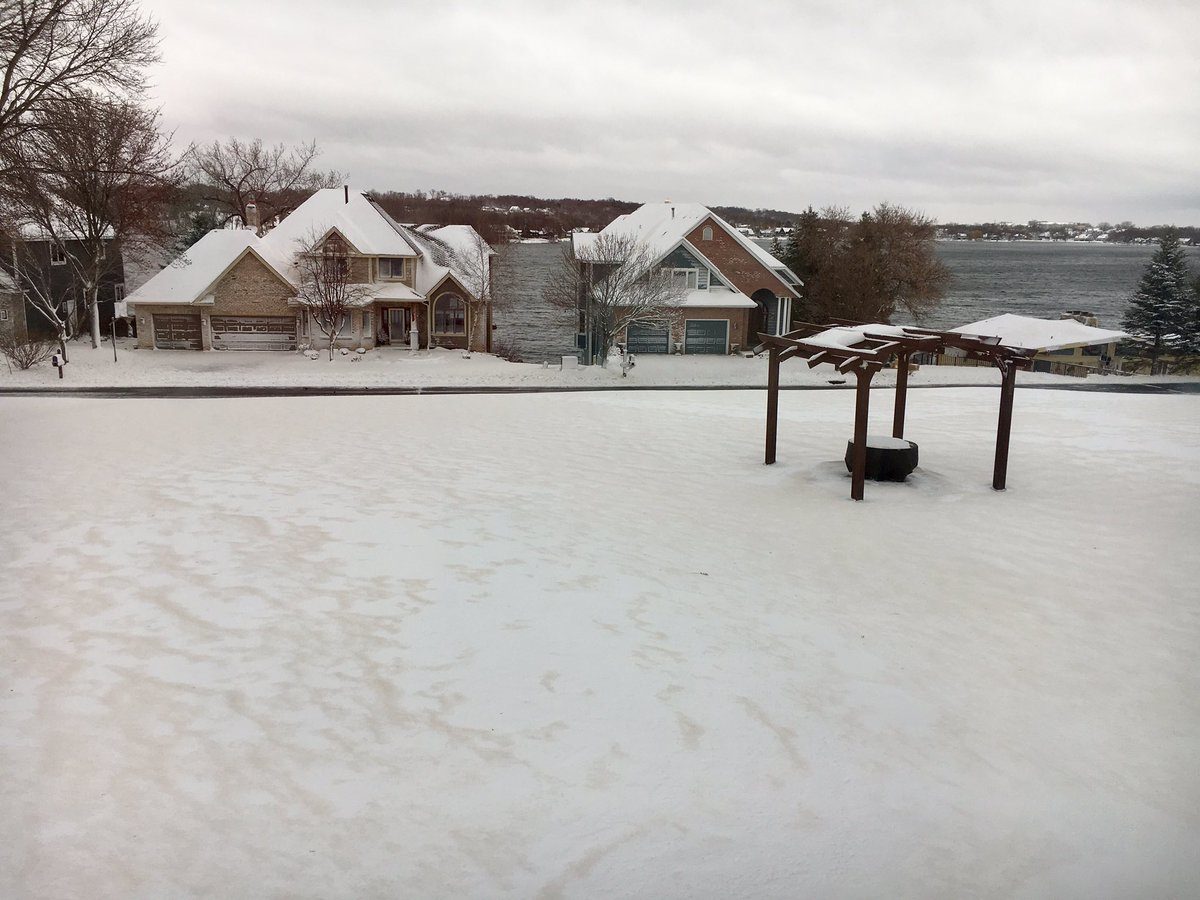
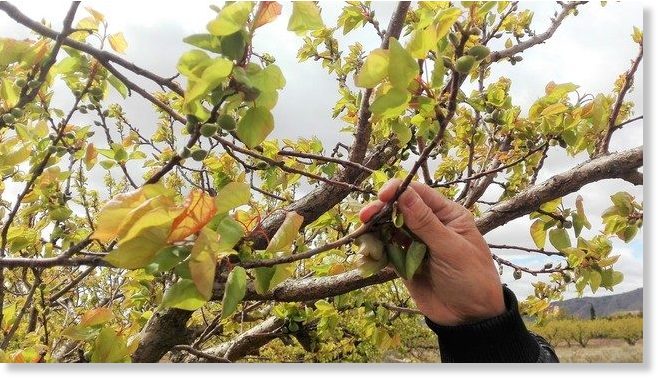
Apricot growers suffer losses due to frost in Spanish province of Albacete

frost damage
The latest frosts have damaged most of the apricot production in Tobarra, as La Tribuna de Albacete has learned from several agrarian sources. To be precise, some three million kilos have been lost, and only the upper area of ​​El Raso, which may account for 20% of the production, has fully escaped the impact of the low temperatures, together with some other minor production areas.

The most affected areas are those between Entresierras and Polope and the lower part of El Raso, where the harvests of other fruit trees, especially peaches, have also been lost.

Snowflake

Yellow, orange and brown snow fell from sky in Central United States

Brown snow coats white snow in southern Minnesota on Thursday, April 11, 2019.
© Twitter photo/Jaclyn DobleBrown snow coats white snow in southern Minnesota on Thursday, April 11, 2019.
People were puzzled across the central United States on Thursday when they looked outside to see an unusual sight: brown snow.

Snow appeared to have a yellow, orange or brown tint to it in parts of Nebraska, South Dakota, Minnesota and Wisconsin. Minneapolis was one of the bigger cities that saw this unusual weather phenomenon.

Social media users commented that it looked like bits of frozen ice tea were mixed in with the snow. Some even said that it looked poopy brown.

The origins of these colors can be traced back hundreds of miles to Texas and New Mexico.

Attention

Extreme weather cost Scottish farmers £131m in 2018

Sheep farming
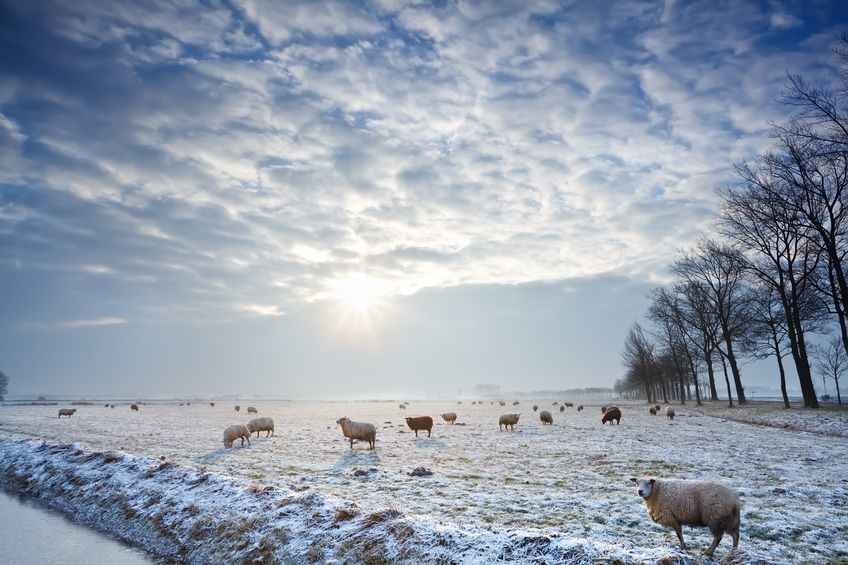
Sheep farmers were the hardest hit because of the unpredictable weather of 2017-2018

Extreme weather contributed to losses of up to £161m for Scotland's farmers during 2017 and 2018 amid fears such unpredictable weather will soon become the norm.

Last year's adverse weather had an impact on livestock and yields of key crops across Scotland according to a new report published this week.

Sheep farmers suffered the biggest losses of £45m as the Beast from the East hit during lambing season.

The largest impact on beef producers was the increased cost of feed, as cattle were kept inside for longer during the bad weather and grass growth was low during the dry summer. This cost farmers £28m.

Cereal crops were also significantly impacted, costing the sector £34m. Total production, area grown and yields were down in 2018 due to previous year due to the poor weather conditions at key points in the season.

At the UK level, wholesale prices of some staples like carrots, lettuce and onions rose by up to 80%.

Comment: Erratic seasons and extreme weather devastating crops around the world

Crop and cattle losses are on the rise everywhere, whether it is due to extensive drought, massive hail, epic flooding, huge dust storms, unexpected frosts, and even epidemics. See also:


Tornado2

Skier spots 'snow devil' in Idaho Springs, Colorado

snow devil
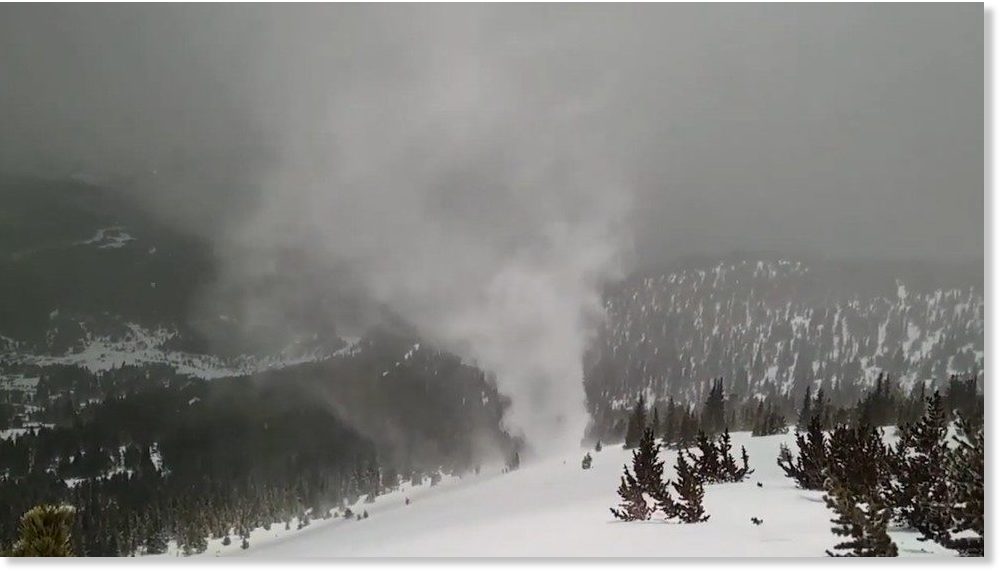
Sean Gaubatz was skiing near Saint Mary's Glacier in Idaho Springs, Colorado, on April 11 when he saw a snow devil stir up.


Snowflake Cold

Adapt 2030 Ice Age Report: Historic April blizzards following the Grand Solar Minimum timeline to 2022

map weather
Again corporate media using Historic, Rare, Unprecedented to describe the snowfall totals across the USA, Russia and Europe. The same unprecedented is used to describe the Rio floods in Brazil yet no body in the corporate media is asking about causation for the events on multi century cyclical patterns. USA blizzard rages and extremes abound, here are your storm warnings for the USA.

Please help me continue on Brighten as the new terms of service require a certain number of video views to continue on the platform. https://www.brighteon.com/channel/ada...


Sources

Info

'Morphospace' governs recovery after mass extinction

Mass Extinction Event
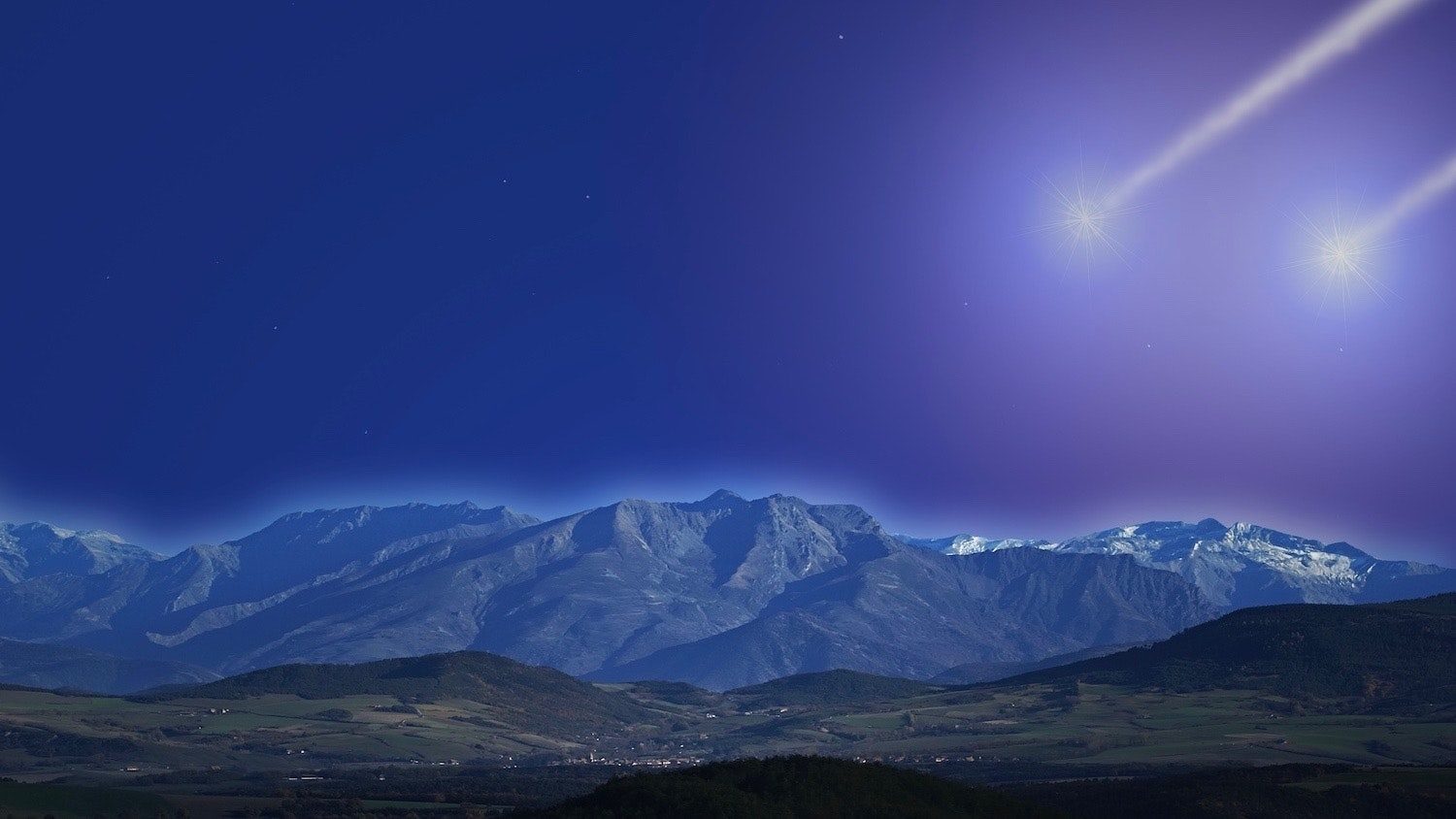
© MARK GARLICK/SCIENCE PHOTO LIBRARY/Getty ImagesThe re-establishment of species diversity following an extinction event is consistently slower than evolutionary theory predicts.
Theory tells us that after a mass extinction, an event where the diversity of species is drastically reduced, nature should rebound with a flurry of creativity. Species should quickly proliferate to refill desolate ecosystems, something called adaptive radiation.

Yet, the paleontological record suggests that this doesn't happen at anywhere near the expected pace. Now, research published in the journal Nature Ecology and Evolution argues that understanding something called "morphospace" might help us find the cause.

Extinction events happen with alarming regularity: there's the "big five", but a host of slightly smaller, yet still devastating extinctions have peppered the planet's history.

Scientists now worry that we might be in the middle of one of our own making, so this makes it all the more important to understand how the natural world bounces back from such catastrophes.

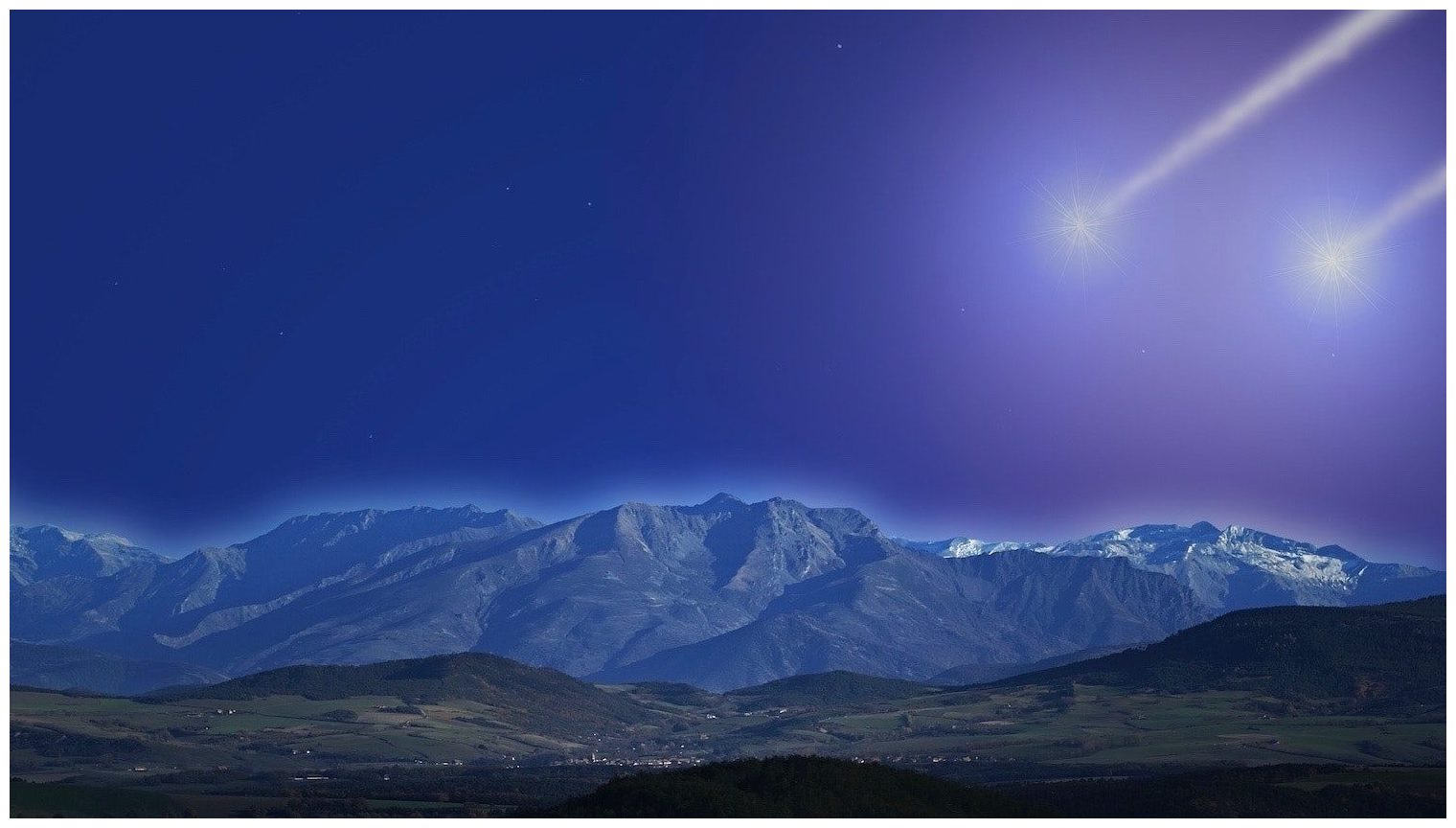
Perhaps the most well-known of the earth's mass extinctions is the Cretaceous-Paleogene (K-Pg) extinction event. This took place 66 million years ago when an asteroid smacked into the earth next to what is now the Yucatán Peninsula, creating the nearly 200-kilometre-wide depression known as the Chicxulub crater. This impact drove the extinction of all the non-avian dinosaurs, and much else besides.

Snowflake Cold

Fruits and almonds most affected by the bad weather in Spain

almounds
Frosts and hailstorms in recent days

The fruit and almond productions have been the most affected by the frosts and hailstorms recorded in recent days in practically the whole Iberian Peninsula, according to Agroseguro.

The first estimates point to more than 12,200 hectares of crops being hit.
The frosts have caused the most damages. More than 6,000 hectares of almonds have been affected, especially in the province of Albacete, which accounts for more than half of the affected acreage. Meanwhile, 4,000 hectares of fruit trees have also been damaged, especially in the Region of Murcia, due to the low temperatures registered since the early morning of March 27. Frosts have also caused damage to fruit crops in Albacete, Zaragoza, the Region of Valencia, Navarre and La Rioja.

Snowflake Cold

Blizzard hits central US a day after states bask in spring sunshine

US spring storm
© NOAAA satellite image shows the large storm moving across the north-central United States early Thursday, April 11, 2019.
Pack away the sidewalk tables and flip-flops; break out the boots and shovels.

Nature was showing its fickle side on Wednesday, with blizzard conditions, heavy snow and frigid air pounding parts of the Rockies and the Plains, just a day after the weather was sunny and idyllic. Schools and highways were shut down, hundreds of flights were canceled, and some communities braced for floods.

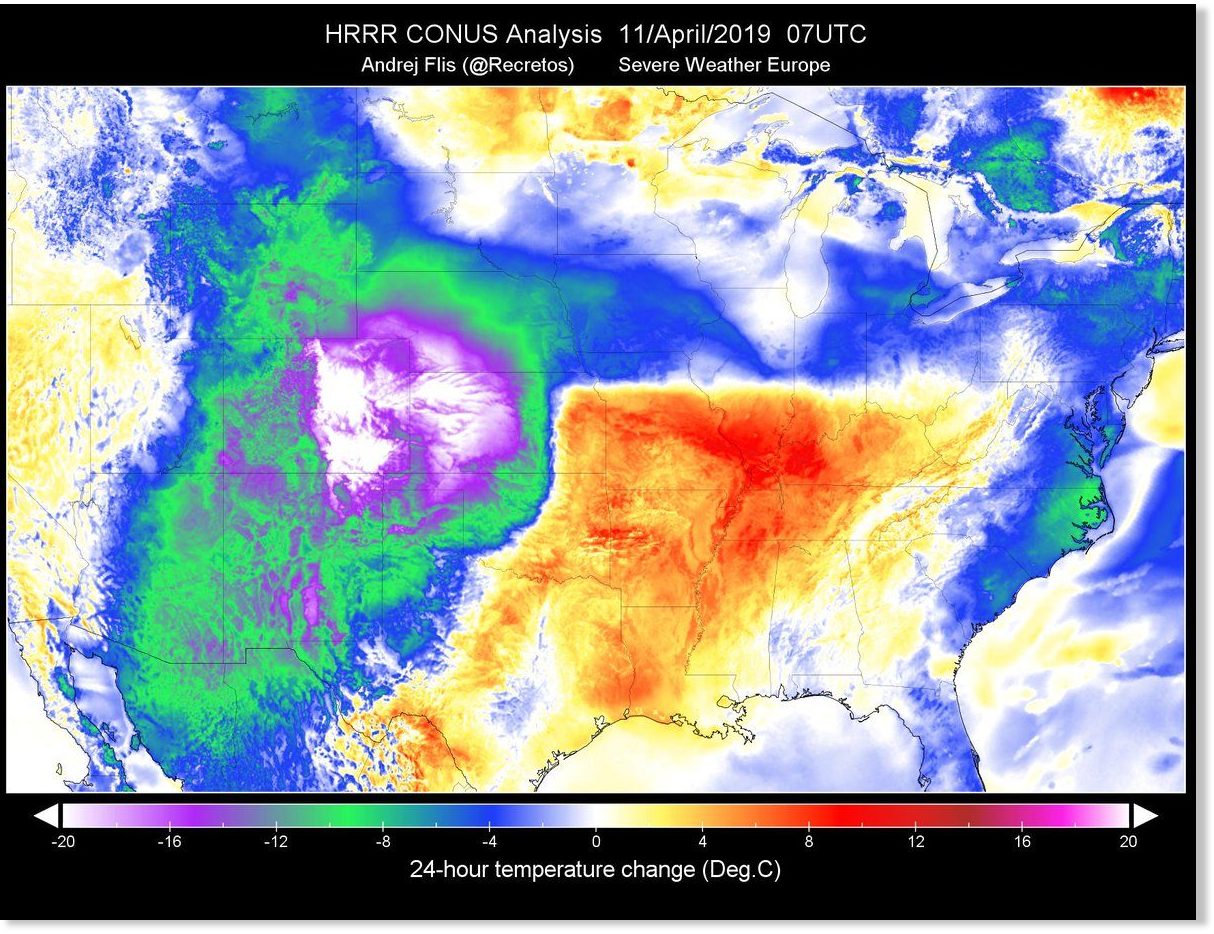
The storm, caused by a low-pressure system moving east from the Pacific Ocean, dropped temperatures by up to 50 degrees in places like Denver, where it was sunny and in the mid-70s on Tuesday but reached the mid-20s by Wednesday night. The low-pressure system was affecting areas from Colorado to Michigan, with heavy snow and thunderstorms, and even down into Texas, where dry conditions and high winds led to wildfire warnings.

While the whipsawing forecasts drew groans, they did not come as much of a surprise to those familiar with springtime in the Plains and the Rockies.


Comment: US Midwest braces for yet another major storm


Seismograph

Strong shallow 6.5 magnitude earthquake hits the Atlantic Ocean near the South Sandwich Islands

The epicenter of Tuesday's earthquake
A strong earthquake with a preliminary magnitude of 6.5 has struck the South Atlantic Ocean near the South Sandwich Islands, seismologists say, just days after the region was struck by a similar earthquake. There is no threat of a tsunami.

The earthquake happened at 3:54 p.m. on Tuesday and was centered about 56 kilometers (35 miles) southeast of Montagu Island, which is part of a British overseas territory that is known as South Georgia and the South Sandwich Islands.

The earthquake was initially measured at 6.7, but the magnitude was later downgraded to 6.5, according to the U.S. Geological Survey (USGS). It said the earthquake struck about 47 kilometers (29 miles) below the seabed, making it a shallow earthquake.

Snowflake

Spring snowfall leaves one dead, thousands without electricity in Finland

File photo
File photo
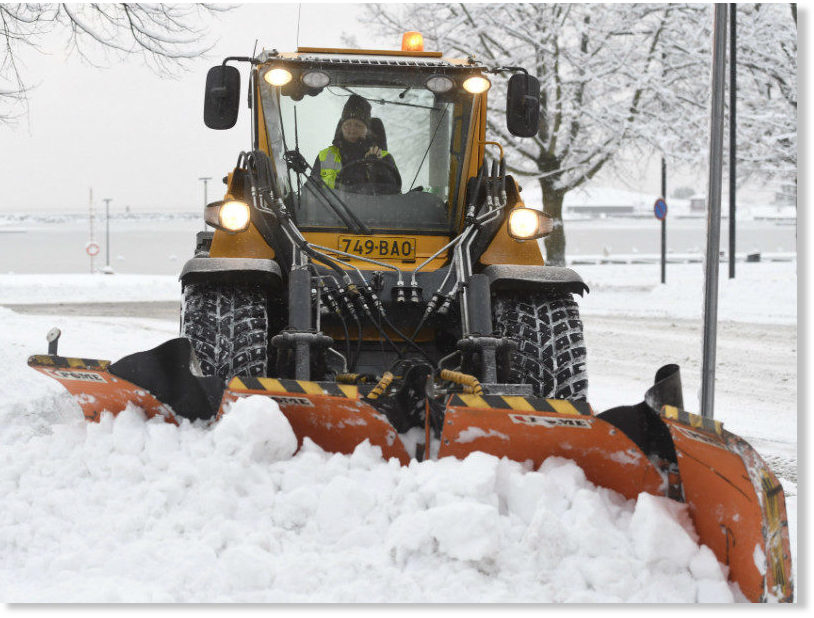
An unusual spring snowfall swept across the central part of Finland from Monday to Tuesday, leaving one person dead in a traffic accident and about 8,000 households without electricity.

The Finnish Metthat it measured 18 cm of snow at its Tikkakoski weather station in central Finland.

The snowfall was the heaviest on Monday evening -- over 4 mm of precipitation per hour. A general rule of thumb in meteorology is that one millimeter of measured precipitation equals one centimeter of snow.

Snowfall across the area made driving conditions hazardous, causing several road traffic accidents. One person died Tuesday morning in a collision between a car and a delivery lorry in Jyvaskyla.