Health & WellnessS


Chalkboard

Tool Created to Track Real-Time Chemical Changes in Brain

Mayo Clinic researchers have found a novel way to monitor real-time chemical changes in the brains of patients undergoing deep brain stimulation (DBS). The groundbreaking insight will help physicians more effectively use DBS to treat brain disorders such as Parkinson's disease, depression and Tourette syndrome.

The findings are published in the journal Mayo Clinic Proceedings.

Researchers hope to use the discovery to create a DBS system that can instantly respond to chemical changes in the brain. Parkinson's, Tourette syndrome and depression all involve a surplus or deficiency of neurochemicals in the brain. The idea is to monitor those neurochemicals and adjust them to appropriate levels.

"We can learn what neurochemicals can be released by DBS, neurochemical stimulation, or other stimulation. We can basically learn how the brain works," says author Su-Youne Chang, Ph.D., of the Mayo Clinic Neurosurgery Department. As researchers better understand how the brain works, they can predict changes, and respond before those changes disrupt brain functioning.

Magnify

5 GMO Foods To Watch Out For

Image
© care2.com
As you may or may not know by now, the United States government has allowed genetically modified and engineered organisms to enter the public food supply with no warning. Every day, millions of people unknowingly ingest these GMOs because corporations like Monsanto (and the politicians they've bought and paid for) claim it's unfair to require them to label their products.

Multiple scientific studies have linked GMOs to illness, disease, and mutation in plants, animals and humans. These adverse affects have been found to be especially pronounced in pregnant women and children, consequently a demographic that is more apt to eat the low price, processed foods that carry most of the world's GMO's.

Until such time as the state or federal government decides to finally stand up for the American consumer by passing mandatory GMO labeling laws, the only way to protect yourself from these toxic "foods" is to avoid buying and eating them.

FoodConsumer's Marie Cendejas recently published a list of the top 10 GMO foods that you should avoid at all costs. We've pared down the list to five GMOs we think are especially gross or dangerous.

Health

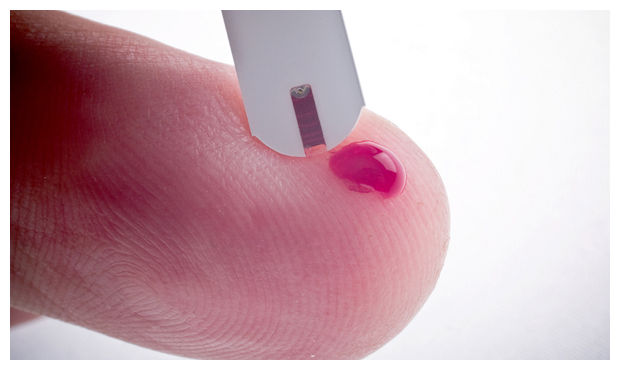
Chemicals in Nail Polish, Hair Spray May Increase Diabetes Risk

Blood Test
© Jim Delillo | Dreamstime
A group of chemicals found in personal care products may raise the risk of diabetes, a new study suggests.

Women in the study with highest concentrations of these chemicals, called phthalates, in their bodies were more likely to have diabetes than women with lowest concentrations, the researchers said.

Phthalates are found in a variety of products, including nail polish, hair sprays, soaps and shampoos.

There was also a link between high concentrations of phthalates and insulin resistance among women who did not have diabetes. (Insulin resistance is often a precursor to Type 2 diabetes).

The findings suggest that phthalates could disrupt blood sugar metabolism, said study researcher Tamarra James-Todd, of Brigham and Women's Hospital's Division of Women's Health.

However, the researchers cautioned the study surveyed participants at only one point in time, and more research is needed that follows women over years to confirm the results.

Phthalates are present in certain medications and medical devices, and its possible women with diabetes have higher phthalate concentrations in their bodies due to the use of these medications or devices, James-Todd said.

Health

Fluoride: When Treatment is Poison


Info

You Gave Me What? 5 Crummy Conditions We Inherit

Baldness
© Drx | Dreamstime.com
We can't blame all of life's misfortune on our parents, but the range of less-than-ideal physical issues we can pin on them run from the unfortunate to the downright deadly. Many diseases and conditions result from various factors, often including both the genes we inherit to the food we eat and the environment we live in. But here are some doozies you can blame, at least partly, on Mom and Dad:

Baldness

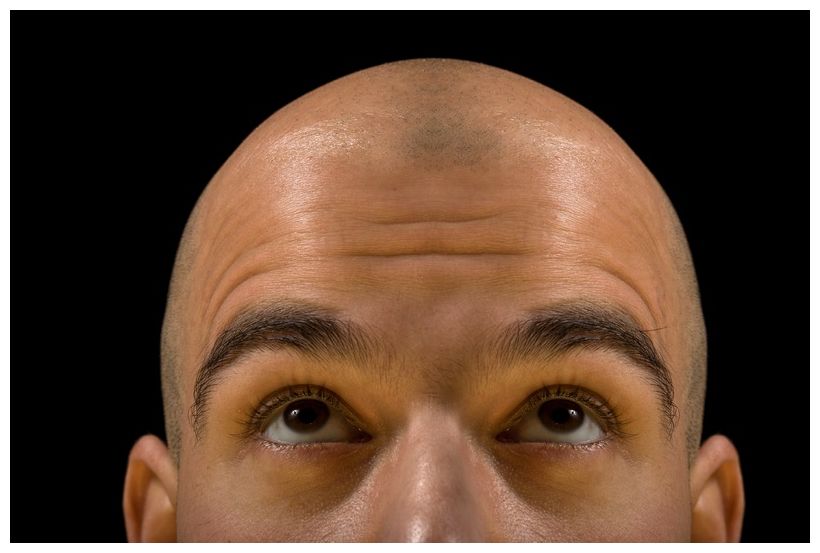
It's often said male baldness is inherited from a mother's father. The link is not that strong nor is the cause so simple, experts say. Frankly, scientists don't have a very good understanding of why some men go bald and others don't. Heredity definitely plays a role. But male-pattern baldness is likely due to issues with several genes from one or both parents. Worth noting: According to the National Institutes of Health, two medications are approved to treat male pattern baldness: Topically applied Minoxidil (Rogaine) and Finasteride (Propecia, Proscar), which comes in pill form.

Color Blindness

Colorblindness affects about 10 percent of men but less than 1 percent of women. It is directly inherited, and here's why it's more common in men: Genes for the eye's red and green receptors sit near each other on the X-chromosome. Men have one X-chromosome, which they inherit from their mother; women have two, and a good gene will often balance out a defective one. Ninety-nine percent of cases involve the challenge of distinguishing between reds and greens. Complete colorblindness, or achromatopsia, is rare, affecting about one in 30,000 people worldwide. Interestingly, colorblind people dream in whatever colors they normally distinguish when awake.

2 + 2 = 4

Emotional Stability and Major Depression Disorder Study

Emotional functioning contributes significantly to the severity and persistence of depressive symptoms. Individuals with major depression (MDD) have been shown to have impaired emotional regulation, high levels of negative affect (NA), and low levels of positive affect (PA). Although there have been numerous studies exploring the different aspects of emotional regulation in depressed individuals, few studies have looked at how these aspects are related to one another. To address this gap in literature, Renee J. Thompson of the Department of Psychology at Stanford University in California recently led a study designed to see how emotional inertia, emotional instability, and emotional reactivity influenced each other in individuals with MDD.

Syringe

Gene-swapping vaccines spawn lethal poultry virus, experts suggest

The creation of the deadly new variant was only possible because the vaccines contained live viruses, even though they were weakened forms, said Joanne Devlin, lead author of the paper published in the journal Science.

Devlin and her team discovered how closely related the two new strains were with viruses in the vaccines after analyzing their genes.

"What we found was the field viruses ... were actually a mixture of the genomes from different vaccine viruses," said Devlin, a lecturer at the University of Melbourne's School of Veterinary Science. "They actually combined, mixed together."

The viruses emerged in 2008, a year after Australia started using a European vaccine along with two very similar Australian vaccines to fight acute respiratory disease in poultry. The illness causes coughing, sneezing and breathing difficulties in birds, normally killing 5 percent of them.

Red Flag

Gluten - The Hidden Killer

Image
© celiacsmart.comGluten represents a group of proteins found in wheat, rye and barley.
In the 1920s, the US government found that animals fed a diet of white flour developed serious neurological diseases and died. Instead of banning this deadly product like they should have, the FDA declared that most white flour products must be "enriched" with iron and a few vitamins to "correct" the problem. Unfortunately, this decision has helped create an even more insidious situation that results in diabetes, heart disease and cancer for millions of people.

Gluten sensitivity

Gluten sensitivity is becoming a raging epidemic today. Gluten sensitivity is not a disease and therefore has no cure. Gluten sensitivity is triggered by eating products containing gluten. The only way to avoid its complications is to stay away from food products containing gluten.

There are 35 diseases that can be caused by eating gluten listed in a review in the New England Journal of Medicine. Some of these symptoms are: arthritis, ADHD, depression, anxiety, IBS, lupus, frequent headaches, fatigue, eczema, loss of muscle coordination, osteoporosis, a weakened immune system, fungal overgrowth, organ inflammation, weight loss/weight gain, and malnutrition.

Gluten sensitivity increases your risk for type 1 diabetes, obesity, gastrointestinal cancers, brain disorders, autism and thyroid disease.

Comment: To learn more about why 'Gluten is a hidden killer' read the following articles:

Gluten Then and Now
The Dark Side of Wheat - New Perspectives on Celiac Disease and Wheat Intolerance
Opening Pandora's Bread Box: The Critical Role of Wheat Lectin in Human Disease
Gluten: What You Don't Know Might Kill You
Facts you might not know about gluten
Science Finally Confirms Gluten Sensitivity
New England Journal of Medicine: Gluten Can Cause 55 Diseases


Health

Cobalt May Be The New Mercury: Failed Surgical Implants Are Releasing Toxic Nanoparticles

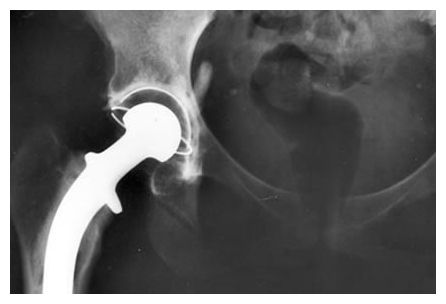
Hip replacement surgery has skyrocketed in the last few decades and surgical intervention to replace the arthritic ball and socket joints has used some questionable materials. Scientists have now discovered that the inflammation in tissue surrounding failing chromium-cobalt metal-on-metal (MOM) implants is caused by the release of cobalt ions from metal debris that wears away from replacement joints. These ions are known to cause genetic damage and will eventually lead to further medical complications.

X-Ray
© PreventDisease.com
Most hip replacements consist of cobalt and chromium alloys, or titanium. Stainless steel is no longer used. All implants release their constituent ions into the blood. Surgeons have been telling patients for years that these ions are excreted in the urine, but in certain individuals the ions can accumulate in the body. In implants which involve metal-on-metal contact, microscopic fragments of cobalt and chromium can be absorbed into the patient's bloodstream causing a host of illnesses.

Tens of thousands of patients have had cobalt-chromium alloy MOM hip implants. The rubbing between the components causes nanoscopic metal debris to be released into surrounding tissue, causing chronic inflammation and loss of mobility in patients.

Now, researchers from Imperial College London and Ohio State University have used a new approach that combines high resolution X-ray and electron microscopy to determine the cause of the chronic inflammation in tissue samples from affected patients. They discovered that residual chromium is oxidised and cobalt ions are released as the nanoparticles corrodes in the tissue, which is the cause of the inflammation. Previous studies have shown that cobalt ions are genotoxic, which could potentially damage DNA and lead to further long-term medical complications in patients.

The study, published online this month in the journal Chemical Communication, is one of the first to look at the effects of nano-particles in humans and raises questions about how materials are tested before they are used as implantable materials.

Question

Rock Fan Teresa in Danger of Biting off More Than She Can Chew

When we're feeling a bit down in the dumps, most of us will turn to chocolate to lift our spirits. But Teresa Widener only reaches for one thing - rocks.
Teresa Widener
© Metro.co.ukBreaking the diet: Teresa Widener has a bizarre compulsion to eat rocks.
The 45-year-old has been nibbling on pebbles and stones for the past 20 years and in that time, has consumed more than 1,360kg (215st) - the average weight of a humpback whale.

The mother of two claims that rocks are her 'ultimate comfort food' but since marrying husband Jim last year, her habit has taken a serious hit.

'Jim makes me so happy I've started eating less,' said Mrs Widener. 'But everyone has bad days and when I have one, only rocks can make me feel better.'

The care worker, who keeps a stash of stones in a special kitchen cupboard, enjoys selecting her snacks during romantic walks with her husband.

'I pick the ones I like the look of,' she said. 'I like their earthy flavour so sometimes I just suck the mud straight off.'