InsulinThe crucial hormone insulin needs help acquiring the right structure.
A protein that assists in the process of insulin folding has just been discovered in a new study conducted by researchers at the Department of Biomedical Sciences, University of Copenhagen. They hope the new research results can be used to develop treatments for conditions such as increased level of insulin in the blood known as hyperinsulinemia.
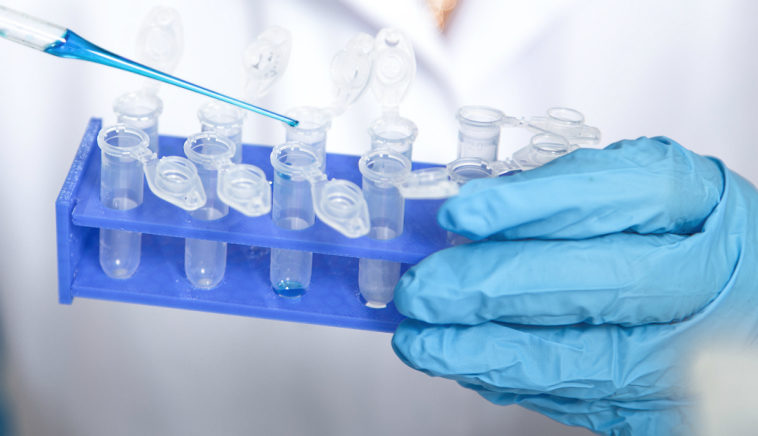
© University of Copenhagen
Even though researchers have been familiar with and studied the hormone insulin for more than a hundred years, especially in connection with diabetes, they still make new discoveries concerning the hormone.
Now researchers from the Faculty of Health and Medical Sciences at the University of Copenhagen have uncovered a hitherto unknown process in the production of insulin. The new research results have just been published in the scientific journal
Diabetes.
Insulin is produced in the beta cells of the pancreas. The hormone is produced as a precursor called proinsulin. For proinsulin to mature into functional insulin, it needs to be folded and processed correctly to acquire the right structure with assistance from proteins that are termed chaperones. The researchers have now discovered and identified such a chaperone. A proinsulin chaperone termed glucose-regulated protein GRP94.
'Even though proinsulin has a relatively short sequence, it still needs help acquiring the right structure to become mature, functional insulin. However, several other studies have shown that proinsulin can be folded without help from proteins in artificial cell-free conditions. Yet, our study conducted in live cells shows that proinsulin is not folded correctly and does not acquire the right structure without help from GRP94,' says last author of the study, Associate Professor Michal Tomasz Marzec from the Department of Biomedical Sciences at the University of Copenhagen.













Comment: The underestimated threat of land-based microplastic pollution