
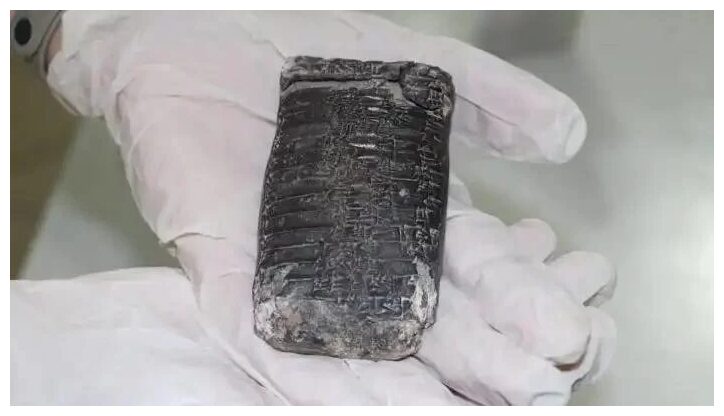
© Arkeonews Net
Tell Atchana, Alalakh is the capital of the kingdom of Mukish in the second millennium BC, located in the Amuq Valley of Hatay, near present-day Antakya.
Alalakh was one of the most famous cities in the ancient world; part of the larger Yamhad kingdom in the Middle Bronze Age, vassal to the Mitannian kingdom in the Late Bronze Age, and incorporated into the Hittite Empire at the end of the fourteenth century BC.
The earthquake on February 6, centered in Kahramanmaraş, which caused great destruction in the city, also affected the mound in Reyhanlı district, where Alalah, the capital of the Muşki Kingdom, was located during the Middle and Late Bronze Age periods.
Under the leadership of the Ministry of Culture and Tourism, restoration and conservation work has been initiated in the mound, where some parts of the palace walls were damaged after the earthquake.
The head of the excavations and an academic from the Hatay Mustafa Kemal University, Murat Akar told state-run Anadolu Agency, the tablet features a contract on sales of a city, which consists of information about parties, and witnesses, said.

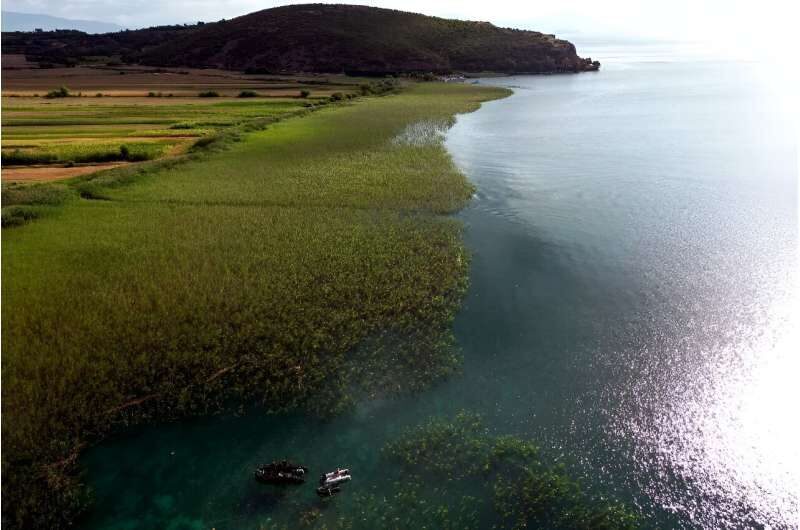

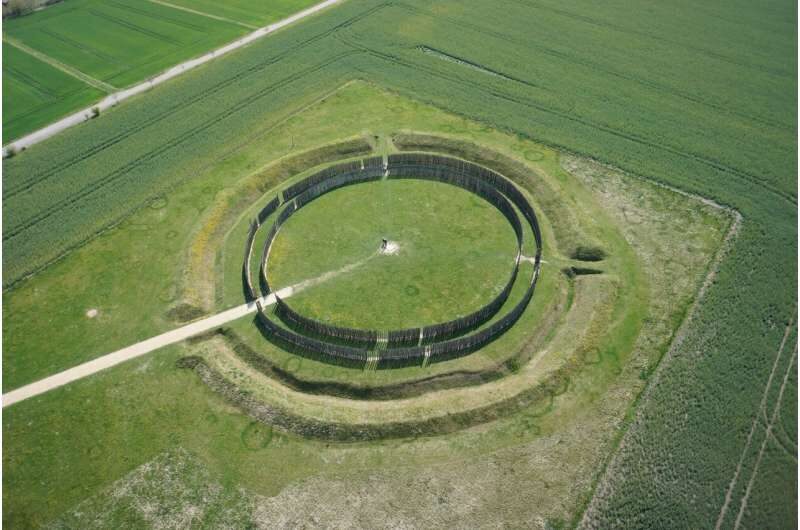
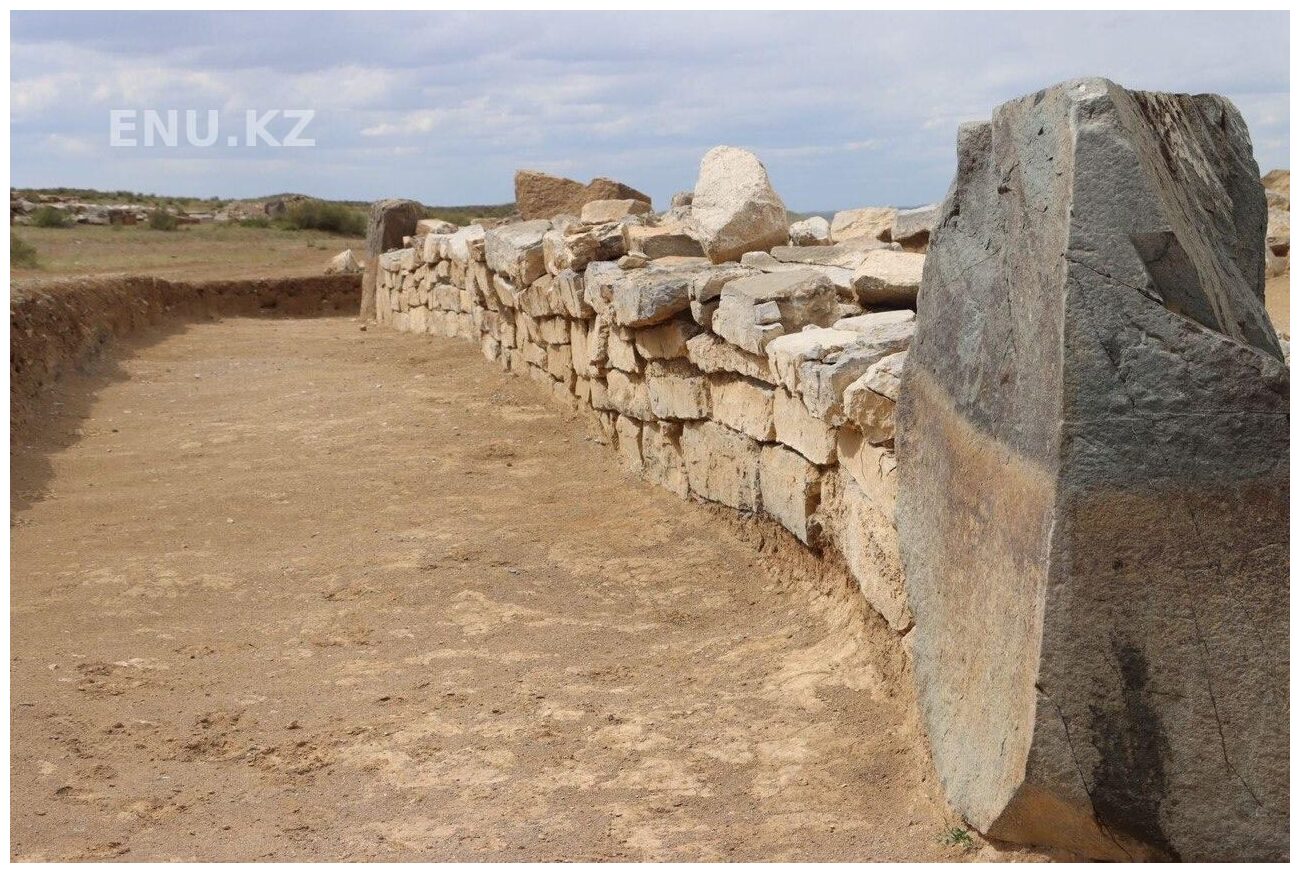





Comment: Other ancient settlements across Europe, that were situated on similarly wet terrain, even on the bodies of water themselves, seem to point to there being extremely wet periods, in addition to other clues showing defensive measures were of importance, perhaps due to societal unrest:
- Crannogs: Scotland's mysterious ancient artificial islands
- Crannogs: DNA points to elites living on Western Europe's neolithic artificial islands
- Bronze Age Britons were riddled with parasites but had the finest of fabrics
- Surfers ear: Why do Panama's ancient skulls show signs of damage by cold?
Also check out SOTT radio's: