Wildfires
S


Fire

Southern USA wildfires force evacuations & dust storms blanket northern Asia

Wildfire
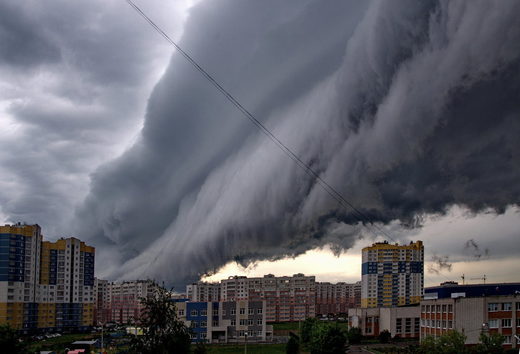
The worst dust storms in a decade blanket Northern China heading on to Japan and Korea with enough force to make it to the west coast of Canada and the USA. Noticeable is a cyclonic spin that was noticed in the USA super-storm that wiped out 40% of the USA wheat crop.

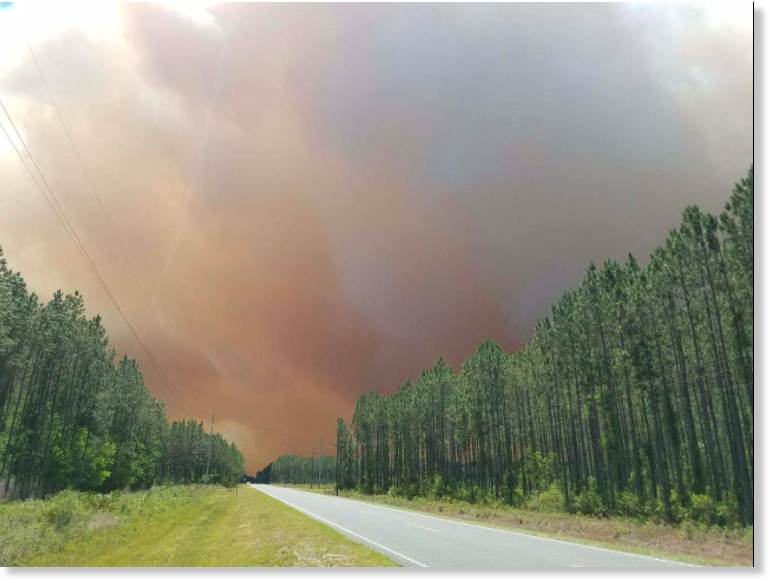
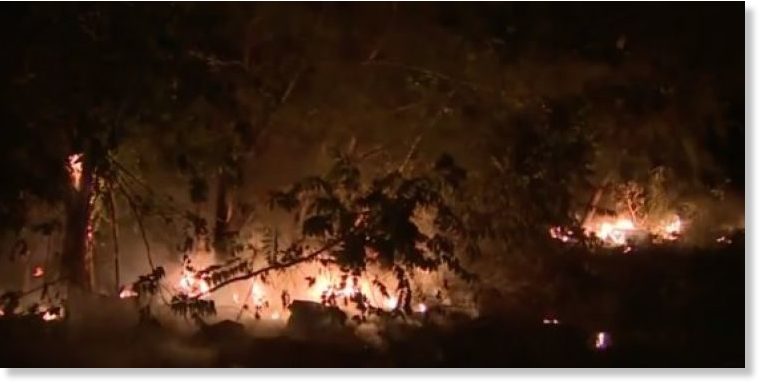
Wildfires spread from southern Georgia's Okefenokee National wildlife refuge into Florida forcing evacuations of 100,000+ people and burning 400,000 acres. Visible from space it looks like a volcanic eruption.


Sources

Fire

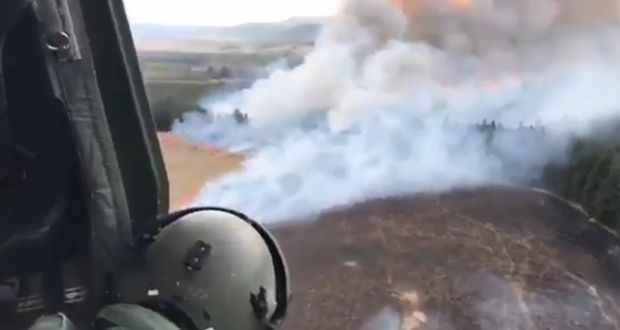
Huge Galway blaze among 30 wildfires raging across Ireland

Gorse fires in the Ox Mountains in Co Sligo
© Irish Air CorpsGorse fires in the Ox Mountains in Co Sligo.

Homes in danger of being destroyed if winds change, Coilte chief warns


Fire services are battling over 30 wild fires across the country, with farms and homes in danger of being destroyed.

A huge wild fire in Co Galway, which has a front expanse of 5km, is within 4.5km of houses as Coillte and emergency services battle to bring it under control.

More than 50 people are battling to get the fire under control and are fighting it on three fronts with two under control. However, one front is still burning significantly and the fire is approximately within 4.5km of people's homes.

Mark Carlin, Director of Forest Operations at Coillte told the Sean O'Rourke show on RTE Radio One that the main goal is to protect the wind turbines.

The fire at at Cloosh Valley is threatening to destroy one of Ireland's largest wind farms.

He said that at the moment there is a helicopter helping fight the fire and the team is about to be joined by the Air Corps.


Comment: A couple of months ago wildfires blazed across the West of Ireland.


Cloud Lightning

SOTT Focus: SOTT Earth Changes Summary - April 2017: Extreme Weather, Planetary Upheaval, Meteor Fireballs

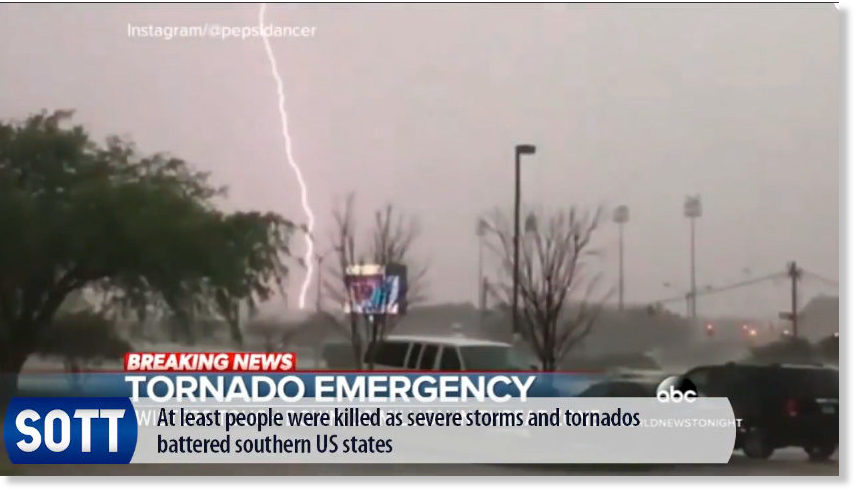
lightning hits Texas tornado
Planetary environmental chaos continued unabated this April.

After Peru was inundated in March, Columbia was next in line for massive rainfall and flooding which provoked deadly landslides in the city of Mocoa. Major flooding and landslides also hit India, Indonesia, the USA and China, while

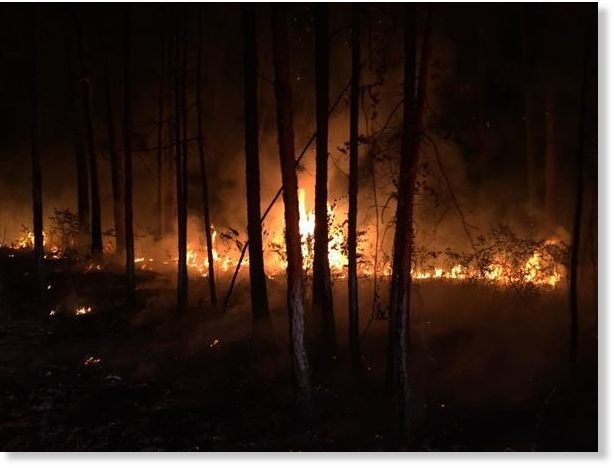
Wildfires once again struck the US state of Florida while very late snow saw many European nations blanketed, with many crops destroyed.

Meteor/fireballs were also spotted from one end of the planet to the other and a comet made a special appearance.


Or watch on Sott.net's Vimeo Channel


Fire

Florida on fire: 125 active blazes, 'Worst wildfire season'

wildfire
With more than 125 active wildfires burning across Florida, including one that spanned more than 2,200 acres in Pasco County, state officials issued a plea to residents and visitors on Monday, urging caution.

"Florida is in the middle of its worst wildfire season in years - with no end in sight," Florida Department of Agriculture and Consumer Affairs Commissioner Adam Putnam said in a May 8 statement. "With such an active wildfire season and much of Florida experiencing significant drought conditions, residents and visitors should take every precaution to help prevent wildfires."

May is traditionally one of Florida's driest months, Putnam said, and forecasters anticipate conditions will only get drier and warmer heading into late spring and early summer. Considering the dangers, Gov. Rick Scott issued a wildfire-related state of emergency declaration on April 11. That declaration remains in place. The last time the state had to issue an emergency executive order related to wildfires was June 2011, Putnam said.


Fire

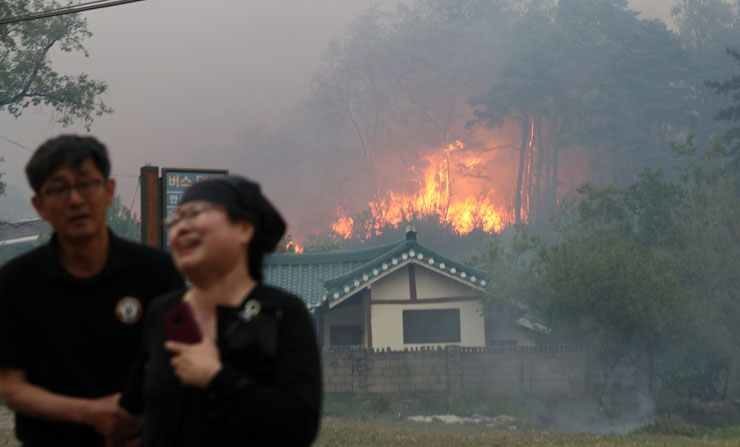
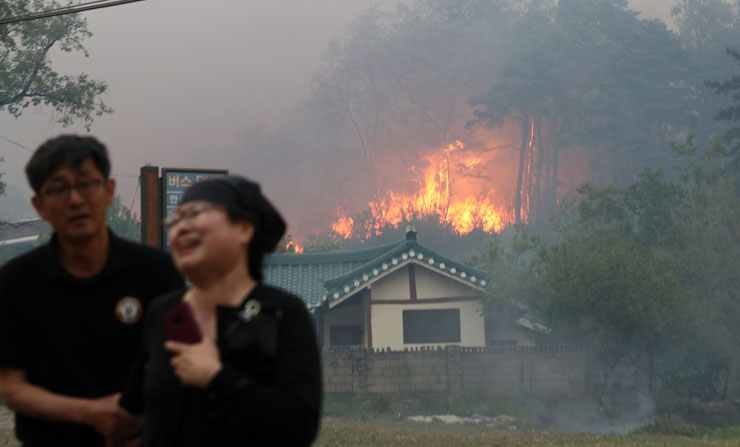
Thousands evacuated as forest fires hit South Korea

South Korea wildfire
© Yonhap
The Gangneung city government said more than 2,500 residents were ordered to flee Saturday as a wind-fed forest fire spread in the eastern city.

About 300 residents are known to have fled from their homes after the blaze started on a hill near Daegwallyeong, a mountain pass close to the east coast, at around 3:30 p.m., according to city officials.

A total of 30 private houses were damaged by the fire as of 10 p.m., but no casualties have been reported, they said.

The residents took shelter at nearby schools and other public facilities, officials said.

Traffic along some parts of a nearby expressway was temporarily restricted but returned to normal at 10 p.m.

About 2,700 people, including hundreds of firefighters, soldiers, police officers and government officials, have been dispatched to fight the fire, but they are struggling to extinguish it, the officials said.

A series of forest fires hit South Korean cities on the same day amid a drought warning.

Fire

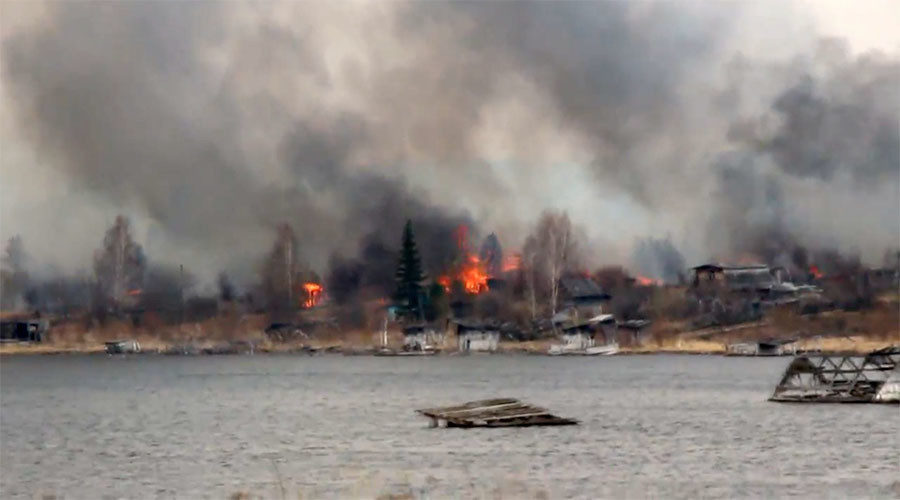
Russia declares state of emergency, as wildfires hit village in Siberia, burning to ground

Russian village burns
© Ruptly
Rescuers have managed to save all the residents of a Russian village before the settlement located on an island in Irkutsk Region burned to the ground. The spread of wildfires across Siberia has prompted authorities to declare a state of emergency.

Hundreds of people were trapped in the village of Bubnovka surrounded by water as a massive fire was ripping through their homes. Luckily for some 435 residents, local Emergencies Ministry staff were conducting anti-flood drills in the area and rapidly reacted to the incident.


Responding the distress call, they rushed to the scene to evacuate the villagers. Using an air cushion rescue boat, the responders brought people to safety. No one was harmed.


Despite efforts by the local team of firefighters, the entire village of 86 houses burned down in the suspected wildfire, the governor's press service told RIA Novosti.


"It was impossible to bring additional [firefighting] forces because of the fact that Bubnovka is located on the island. Gusty winds contributed to the spread of fire," the governor's office said.


The Investigative Committee, however, has opened a criminal case to see if any negligence was involved.

Arrow Down

The 'March to Silence' - Shots fired at building housing leading climate skeptic scientists

NSSTC
© Image via Google Maps Street ViewNational Space Science and Technology Center (NSSTC) building.
A total of seven shots were fired into our National Space Science and Technology Center (NSSTC) building here at UAH over the weekend.

All bullets hit the 4th floor, which is where John Christy's office is (my office is in another part of the building).

Given that this was Earth Day weekend, with a March for Science passing right past our building on Saturday afternoon, I think this is more than coincidence. When some people cannot argue facts, they resort to violence to get their way. It doesn't matter that we don't "deny global warming"; the fact we disagree with its seriousness and the level of human involvement in warming is enough to send some radicals into a tizzy.

Our street is fairly quiet, so I doubt the shots were fired during Saturday's march here. It was probably late night Saturday or Sunday for the shooter to have a chance of being unnoticed.

Maybe the "March For Science" should have been called the "March To Silence".

Campus and city police say they believe the shots were fired from a passing car, based upon the angle of entry into one of the offices. Shell casings were recovered outside. The closest distance a passing car would have been is 70 yards away.

This is a developing story. I have no other details.

Info

7 notable weather events observed across United States this April

Sierra Nevada snowpack
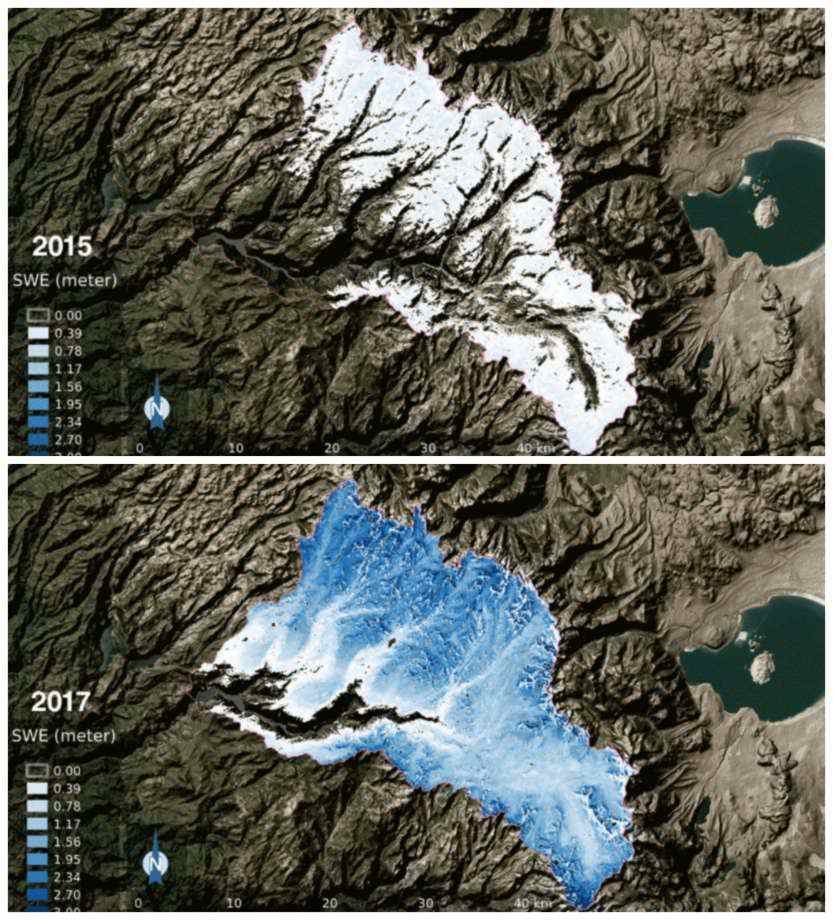
© NASAThis photo composite shows the snow water equivalent-- water content of snow -- in the Tuolumne River Basin in 2015 and 2017. White and the lighter blue indicates less snow, while deeper blue represents more snow. NASA reports: "The 2017 snow water equivalent was 21 times greater than 2015, which was the lowest snowpack on record."
Spring can bring interesting weather conditions to the U.S. and this year is no exception, with several impressive records having already been set so far this April.

While not setting records, a few other unusual and notable weather occurrences have caught our eye this month.

1) California's Northern Sierra Nevada Set Record For All-Time Wettest 'Water Year'

On April 13, California's northern Sierra Nevada set a new record for its all-time wettest water year with an accumulated average of 89.7 inches of water. The previous record of 88.5 inches was set during the 1982-83 water year. To put it in perspective, the average water year sees 50 inches of precipitation.


The water year runs from October through September, but most precipitation falls from November through March. By April, the storm track typically shifts reducing the chance for additional precipitation. This year, however, has been different with rain and mountain snow continuing to fall this month, allowing records to topple.

Comment: According to NOAA's Storm Prediction Center (SPC) there have been 5,372 preliminary reports of severe weather across the United States in 2017 (up to April 8), which is more than double the average.

For more coverage on the extreme weather affecting the entire planet, check out our monthly SOTT Earth Changes Summaries. Last month:

SOTT Earth Changes Summary - March 2017: Extreme Weather, Planetary Upheaval, Meteor Fireballs


Fire

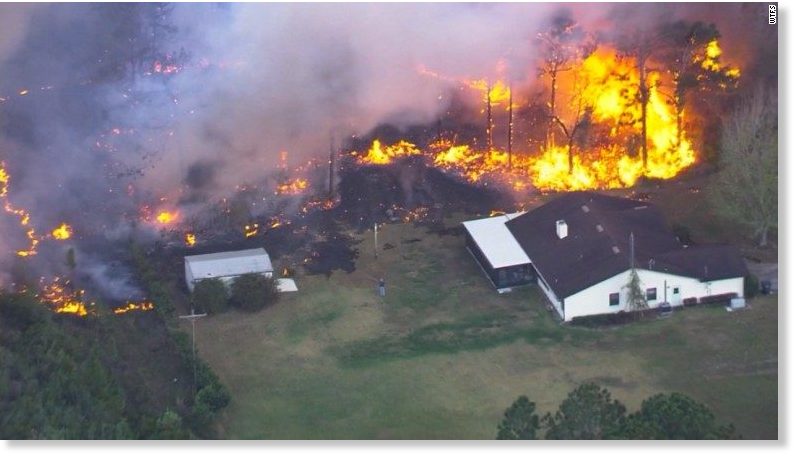
91 wildfires burn in Florida; thousands evacuated

Aerial view of brush fire in Polk County, Florida on April 21, 2017.
Thousands of homes have been evacuated as firefighters continue to battle 91 wildfires across Florida, the state's forest service said.

Since Thursday, more than 25,000 acres have burned in the state, Florida Forest Service spokesman Joe Zwierzchowski told CNN on Friday.

"The state is really dry. Thank God we have the firefighters we have all around the state," Florida Governor Rick Scott told reporters.

Out of the 91 wildfires, two fires caused the evacuation of thousands of homes in central and southwest Florida.


Fire

Over 100 wildfires scorch Florida

fire
More than 100 active wildfires are burning across the state right now, according to the Florida Forest Service. Twenty-seven of them are scorching more than 100 acres each.

"We're usually not this active this early in the season," the service's assistant fire chief, Ralph Crawford, said Monday.

So it has gone in Tampa Bay, where firefighters spent Monday battling brush fires that flared up in Hernando and Pasco counties. A fast-moving grass fire Friday in St. Petersburg shut down the Interstate 275 interchange at Gandy Boulevard just as rush hour started, tying up traffic for hours.

Since February, wildfires have swept across 68,000 acres of the state, already more than the average acreage burned over the past five years, Crawford said.

"And we're just barely into April," he added.
"Usually May is our busiest month."


Comment:

Update: On April 11, 2017, Governor Scott called a state of emergency due to the fires: