Earth ChangesS


Sun

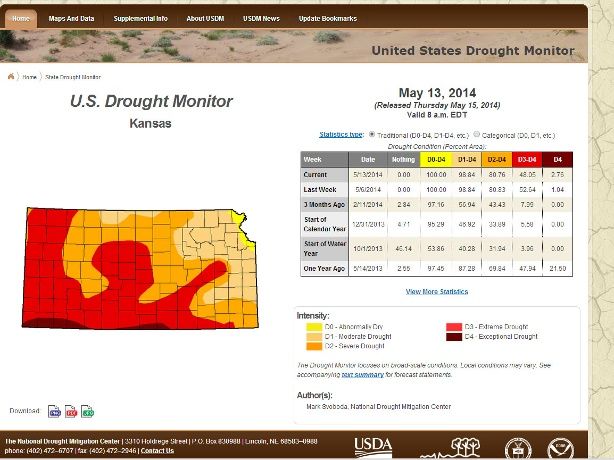
More than half of Kansas in drought emergency

Kansas drought
Drought conditions are continuing to worsen in Kansas despite recent rain, prompting Gov. Sam Brownback to declare half the state in a drought emergency.

All 105 counties are now under some type of drought status.

Brownback issued an updated declaration Wednesday putting 56 counties in the most serious emergency category. Twenty-six have been placed under warning status, and 23 in a watch status.

Comment: See:Parched: A new dust bowl forms in the heartland


Cloud Grey

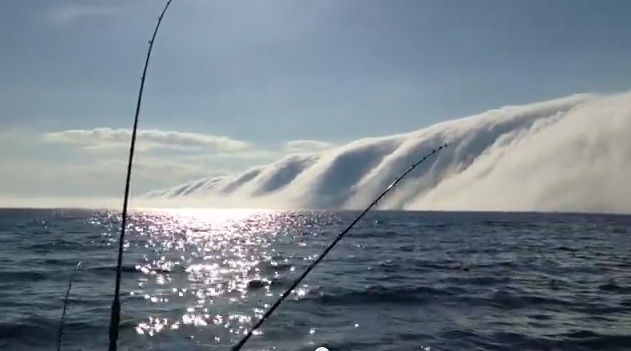
Massive bank of fog passes over Lake Michigan

Image
Andrew Ballard and his father were fishing at Platte Bay, Lake Michigan, when they noticed some clouds in the distance.

As the Ballards watched, the clouds came closer, and lower to the water. Despite their misgivings, curiosity got the better of them, and they hung around to see what would happen.

As the fog rolled in, the winds picked up and the temperature dropped significantly, but not before Andrew got this great footage of the phenomenon.


Source: Storyful / YouTube / Andrew Ballard

Fish

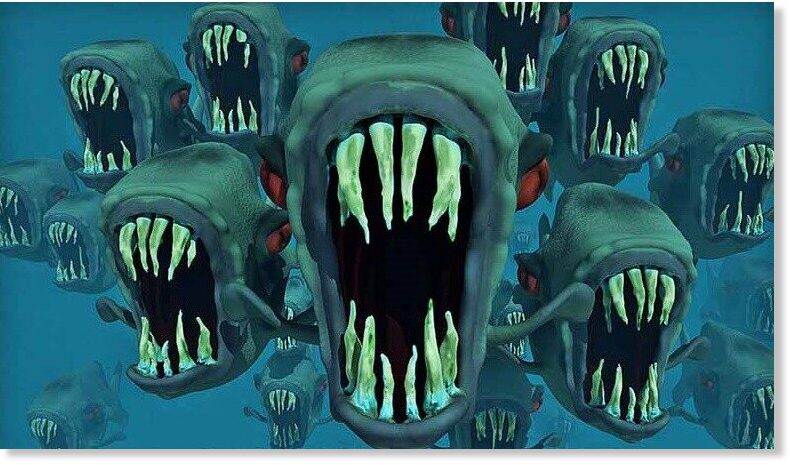
SOTT Focus: Creatures From the Deep Signal Major Earth Changes: Is Anyone Paying Attention?

weird fish
When we pay attention to what is happening with the animals of the world, they can tell us a lot about our environment and predict changes that we, as mere humans, would normally not pick up on as quickly (or at all). Like the canaries that were once used to detect toxic gas in coal mines, animals are sensitive to things that humans are often oblivious to (before it's too late), and noticing those 'things' can sometimes mean the difference between life or death for large numbers of people. Besides having senses that humans lack, animals also inhabit places that we don't, like the oceans and the skies, places that border our living space and eventually impact it. So, what happens to them often happens to us a little later.

Recently, I've noticed what seems to be a significant increase in odd animal behavior - particularly, very recently. I'll only talk about marine life here, though similar weirdness is affecting other animals and insects of the world. Let's begin with a few reports from the start of this month.

Beaker

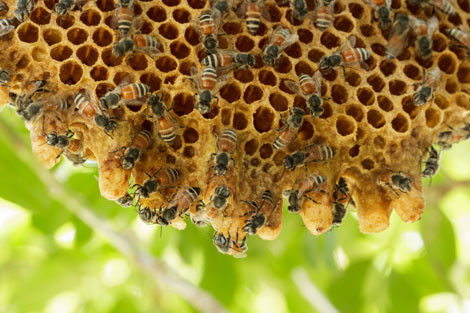
Study strengthens link between neonicotinoids and collapse of honey bee colonies

Image
© iStockphoto.com
Two widely used neonicotinoids - a class of insecticide - appear to significantly harm honey bee colonies over the winter, particularly during colder winters, according to a new study from Harvard School of Public Health (HSPH). The study replicated a 2012 finding from the same research group that found a link between low doses of imidacloprid and Colony Collapse Disorder (CCD), in which bees abandon their hives over the winter and eventually die. The new study also found that low doses of a second neonicotinoid, clothianidin, had the same negative effect.

Further, although other studies have suggested that CCD-related mortality in honey bee colonies may come from bees' reduced resistance to mites or parasites as a result of exposure to pesticides, the new study found that bees in the hives exhibiting CCD had almost identical levels of pathogen infestation as a group of control hives, most of which survived the winter. This finding suggests that the neonicotinoids are causing some other kind of biological mechanism in bees that in turn leads to CCD.

The study appears online May 9, 2014 in the Bulletin of Insectology.

Comment: Silent Hives: Colony Collapse Disorder and Pesticides:

A Last (Chemical) Gasp for Bees?
Scientists Untangle Multiple Causes of Bee Colony Disorder
Honeybee Colony Collapse Disorder Finally Explained: Too Many Chemicals
Harvard Study Links Pesticides to Colony Collapse Disorder in Bees
Colony Collapse: Do Massive Bee Die-Offs Mean an End to Our Food System as We Know it?


Attention

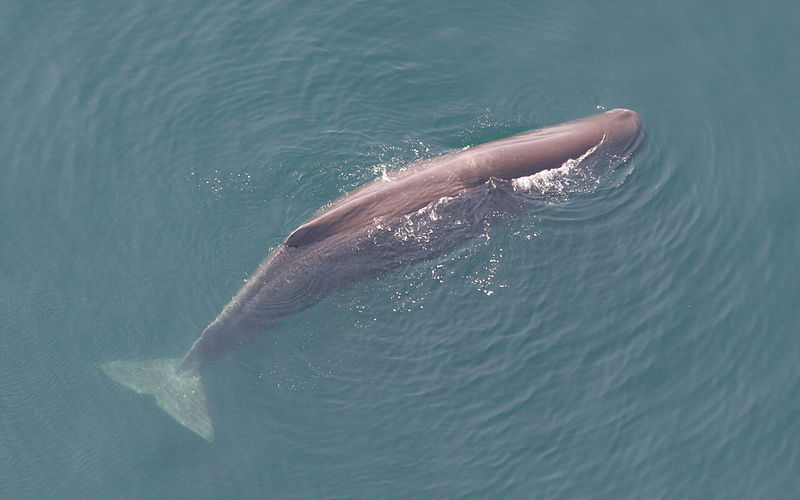
Dead sperm whale latest beaching incident in Bali, Indonesia

Image
© Tim Cole, NMFS (NOAA)Aerial view of sperm whale.
A beached whale died on Mengiat Beach in front of the Ayodya Resort in Nusa Dua earlier this month, adding to the number of whales and dolphins that have suffered a similar fate in Bali.

Found in a state of decay by a lifeguard, the dead sperm whale was 10.2 meters long and weighed 3 tons.

According to the Nusa Dua Reef Foundation (NDRF), Nusa Dua was no stranger to incidents of beached marine mammals because the southern coast of the island sat along a migratory route for several species.

"This is the sixth case of beached whales or dolphins in Nusa Dua since 2003," said Pariama Hutasoit, founder of NDRF.

She said that the first of those cases was a Gervais' beaked whale beached in front of the Grand Hyatt resort in 2003. In 2010, there were three separate incidents of beached Pigmy killer whales. The next case occurred in 2012, when a rough-toothed dolphin was found in front of The Laguna Resort and Spa.

The recent beached sperm whale is the fourth to have died on Bali's shore in the last 10 years. According to data from the Bali Network of Stranded Sea Mammals, the first occurred in Nusa Penida in 2005, and was followed by similar cases in Batubelig in North Kuta in 2009 and on Gilimanuk Beach in 2010.

Attention

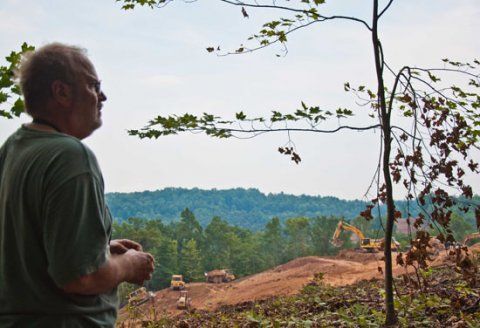
Flashback You have to see it to believe it: What it's like to have fracking in your backyard

Residents in industry-friendly West Virginia share their experiences, photos and videos.


Ed Wade's property straddles the Wetzel and Marsh county lines in rural West Virginia and it has a conventional gas well on it. "You could cover the whole [well] pad with three pickups," said Wade. And West Virginia has lots of conventional wells - more than 50,000 at last count. West Virginians are so well acquainted with gas drilling that when companies began using high-volume horizontal hydraulic fracturing in 2006 to access areas of the Marcellus Shale that underlie the state, most residents and regulators were unprepared for the massive footprint of the operations and the impact on their communities.

When it comes to a conventional well and a Marcellus well, "There is no comparison, none whatsoever," said Wade, who works with the Wetzel County Action Group. "You live in the country for a reason and it just takes that and turns it upside down. You know how they preach all the time that natural gas burns cleaner than coal; well, it may burn cleaner than coal, but it's a hell of a lot dirtier to extract."

Image
© Tara LohanPitcock's husband viewing the scene from their property line in August

Comment: Coming to a valley near you soon...


Attention

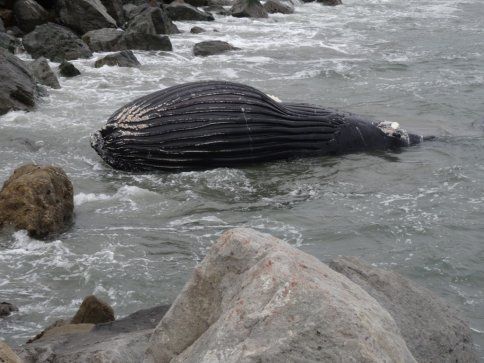
Dead humpback whale found in Half Moon Bay - second dead whale within a week off the California coast

Image
A small dead Humpback whale washed up in Pillar Point Harbor in Half Moon Bay Wednesday afternoon.

The whale is now beached at Surfers Beach near an RV park, according to a deputy at the harbor.

Large crowds gathered Wednesday evening to marvel at the massive dead marine mammal that was reported to be around 30 feet long.

Marine biologists will investigate what caused the whale to die while authorities decide how to get rid of the dead animal.

Twitter user @carolsuestories snapped a picture of the bloated carcass shortly before 7 p.m. Wednesday.
A dead whale is floating in ocean in front of our RV in Pillar Point Half Moon Bay, CA http://t.co/yBBZAk7Vdo pic.twitter.com/lBqTHL4w6e

- CarolSueStories (@carolsuestories) May 22, 2014

Comment: See also: Dead beached whale found at Point Loma Cove, California


Attention

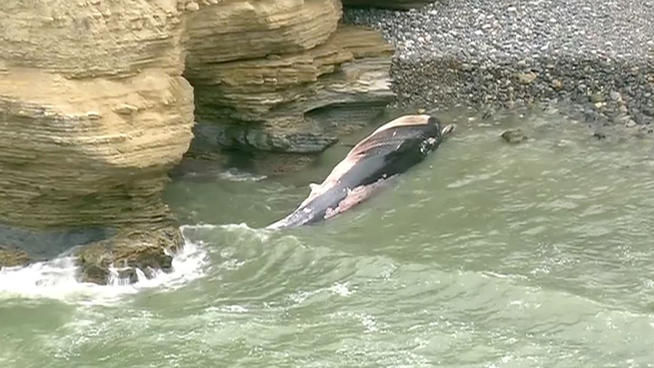
Dead beached whale found at Point Loma Cove, California

Image
The carcass was first spotted near the San Diego Bay's mouth Saturday

The carcass of a 40-foot whale that washed up at San Diego's Point Loma Cove earlier this week is set to be hauled away from the rocky shoreline by authorities Wednesday and disposed of in the ocean.

According to Lee Swanson of the San Diego Fire-Rescue Department, the towing attempt is expected to begin around 4 p.m. and will be spearheaded by The Marine Conservation Science Institute (MCSI) and San Diego lifeguards.

Swanson said the plan will involve lifeguards towing the whale about a half-mile offshore, and then transferring the tow to a MCSI boat waiting to take the reins. The boat will then take the carcass out to sea to properly dispose of the whale, a process that could take several days. It is unclear if MCSI members will sink the whale or leave it to float at sea.

The MCSI has a permit to remove and dispose of marine mammals, Swanson said.


Bizarro Earth

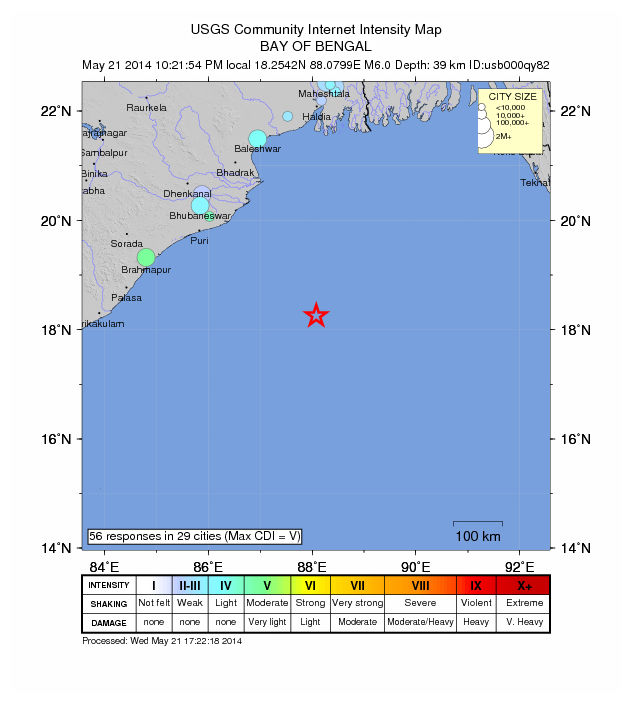
USGS: Earthquake Magnitude 6.0 - 275km SE of Paradip Garh, India

Paradip Garh Quake_210514
© USGS
Event Time
2014-05-21 16:21:54 UTC
2014-05-21 22:21:54 UTC+06:00 at epicenter

Location
18.254°N 88.080°E depth=40.0km (24.8mi)

Nearby Cities
275km (171mi) SE of Paradip Garh, India
275km (171mi) SE of Konarka, India
290km (180mi) SE of Puri, India
295km (183mi) SE of Nimaparha, India
650km (404mi) SSW of Dhaka, Bangladesh

Scientific Details

Cloud Lightning

Piers Corbyn on the myth of man-made global warming

The recent Electric Universe conference in Albuquerque New Mexico featured investigators from wide ranging disciplines, who had come to a common conclusion. The key to understanding so-called climate change is the electromagnetic connection between Earth and the Sun. One of the most powerful of these voices is Piers Corbyn, who has received international acclaim for the accuracy of his long-range forecasts. Although we hear daily of a scientific consensus to the contrary, what does Piers make of mankind's alleged role in affecting the climate on Earth?