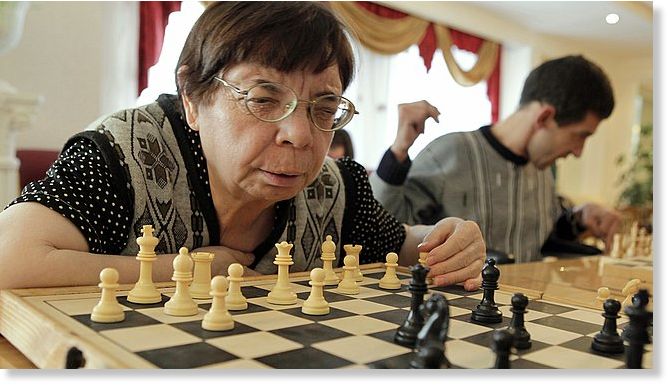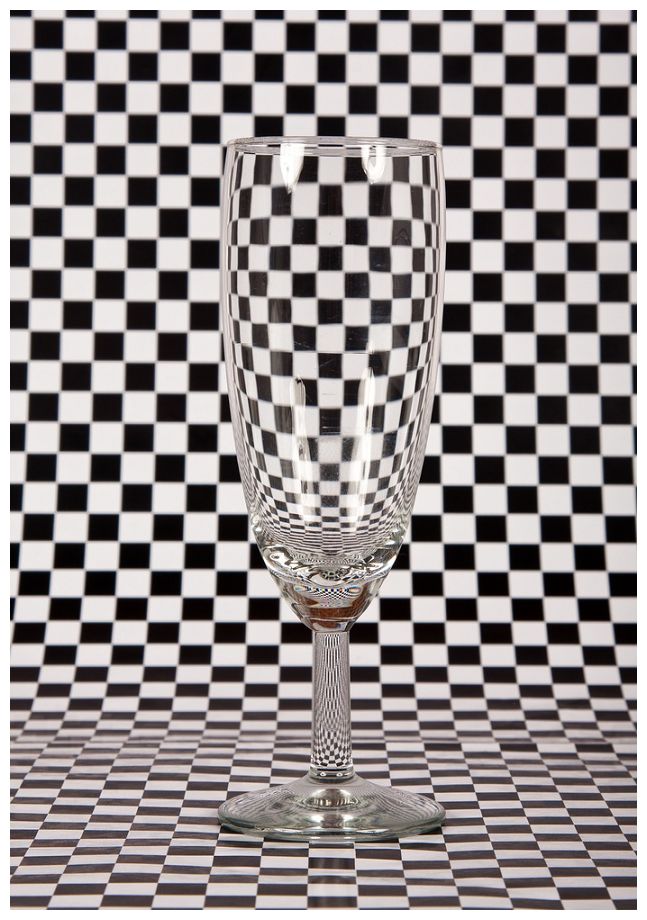
© Alta Oosthuizen | ShutterstockParticipants who read vignettes on a background of black and white became more judgmental than when reading the story on a plain background.
The background, which participants weren't aware was of interest in the experiment, did not push people to become either more lenient or more severe, researchers reported Friday (May 25) here at the annual meeting of the Association for Psychological Science. Instead, it took people's natural tendencies toward leniency or severity and intensified them - in other words, their judgments became more black-and-white.
The findings add to a number of studies that find metaphors can often translate to literal, real-world behavior. For example, people who are holding a warm beverage view strangers as warmer. And when people remember a time they got the cold shoulder, they feel, you guessed it, physically colder.
"We now find that judgment style can also be influenced by metaphors such as black-and-white thinking," said study researcher Simone Schnall, a psychologist at the University of Cambridge.
Moral dilemmas
Schnall and her colleagues conducted a series of five experiments investigating both the black-and-white metaphor and the effect of "balance." In the first, they recruited 111 participants online through Amazon's crowd-sourcing website Mechanical Turk. Each participant read the fictional story of Heinz, a man forced to steal life-saving medication for his wife's cancer because he couldn't afford the drugs. After reading the story, the participants rated how moral Heinz's actions had been.
In some cases, participants saw this tale bordered by a black-and-white checkerboard. Others say a gray border. A third group saw a yellow-and-blue checkerboard.
The results revealed that people reported stronger judgments - both on the moral and immoral sides of the rating scale - when they had read the story against a black-and-white background. There was no difference between the gray and the colorful checkerboard.
"People gave more polarized judgments when they saw some black-and-white checkered background that was in principle irrelevant and incidental," Schnall said.
In a second study, the researchers used the same checkerboard backgrounds and asked questions about the morality and immorality of various behaviors, such as smoking. A new group of 130 online volunteers participated. They, too, made stronger judgments when they answered the questions against a black-and-white background.