
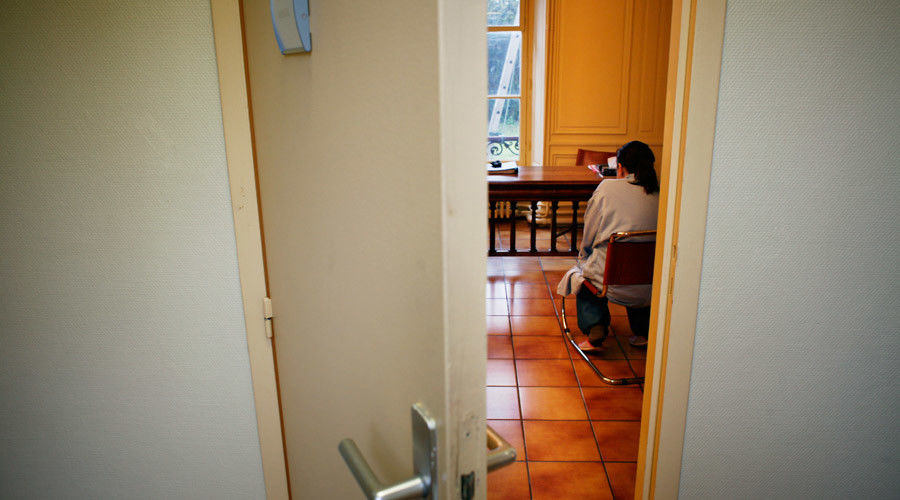
© Christophe Simon / AFP
According to a recent study by the Association of American Medical Colleges, 59 percent of psychiatrists are 55 or older, the Associated Press reported, making them the fourth oldest group of doctors practicing in 41 medical specialties. Consequently, it is very likely that many will soon retire or accept fewer patients.
In the 18 years between 1995 and 2013, the total number of adult and child psychiatrists in the US rose by just 12 percent, from 43,640 to 49,079, while the number of physicians grew by 45 percent. During that time, however, the US population increased by about 37 percent, the Association's statistics show. In addition, millions of Americans have become eligible for mental health coverage under the Affordable Care Act, also known as Obamacare.
"I'm not aware of any part of the country where it is easy for our members to find psychiatrists," Charles Ingoglia, a vice president of the National Council for Behavioral Health, told AP. The council coordinates a network of 2,300 not-for-profit clinics nationwide that provide psychiatric help.















Comment: The psychiatry field is in a mess with a questionable reputation: The "institutional corruption" of Psychiatry: A discussion with the authors of 'Psychiatry Under the Influence'