OF THE
TIMES

"For example, if someone previously gave us feedback that an article was false and the article was confirmed false by a fact-checker, then we might weight that person's future false news feedback more than someone who indiscriminately provides false news feedback on lots of articles, including ones that end up being rated as true."
[...]See also:
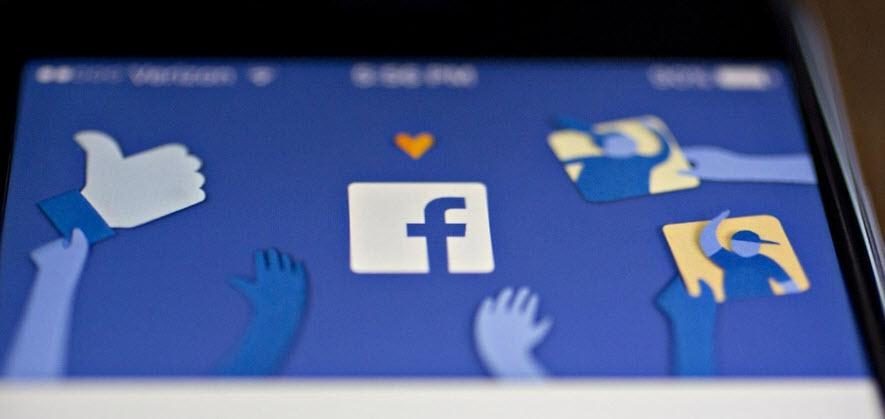
Lyons said the ratings are not meant to be "an absolute indicator" of credibility, but that it is merely "one measurement among thousands of new behavioral clues" used by Facebook to understand individual behavior, which is hardly any more comforting.
The Facebook rating system was quickly compared online to the invasive "social credit" system being developed by the Chinese government which will become mandatory from 2020 and will use social media to analyse the online habits of its citizens, giving each a score. Under that system, individual citizens' scores will even be used to determine whether they can take out a loan or use public transport.
Asked to divulge any of the other indicators Facebook uses to rate users' credibility beyond how they interact with articles, Lyons declined, saying that it could lead to the system being gamed.
But concerns abound over Facebook's ability to properly determine what constitutes 'fake news' and credibility on its platform and what does not. The platform has been criticized, for example, over its teaming up with the Atlantic Council think tank, which is funded by a number of NATO governments and arms manufacturers, as part of its efforts to fight inauthentic content.
The social media giant was forced to restore one of the pages belonging to Latin American news channel Telesur last week, after uproar followed an unexplained deletion of the page.
The three terms most widely used today to this avail are detailed below."Thinking critically means making reasoned judgments that are logical and well thought out. It is a way of thinking in which one doesn't simply accept all arguments and conclusions to which one is exposed without questioning the arguments and conclusions. It requires curiosity, skepticism and humility. People who use critical thinking are the ones who say things such as, "How do you know that?" "Is this conclusion based on evidence or gut feelings?" and "Are there alternative possibilities when given new pieces of information?"" [Source]

Comment: The ANC appears determined to get the results it wants but it's likely it will get more than it bargained for in terms of economic and societal disruption: