An astoundingly strong heat wave is not just setting records across the western U.S. — it's pulverizing them
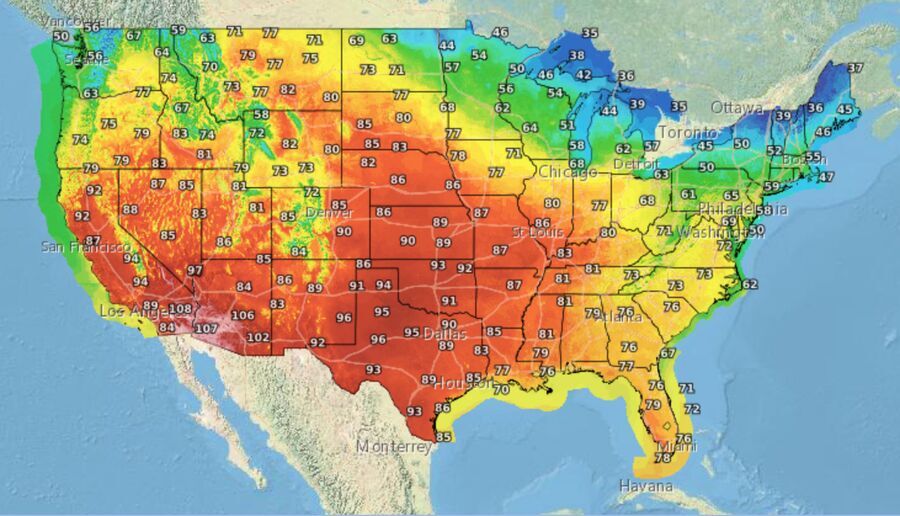
© NWS/NOAATemperatures across the western U.S. are soaring to 20 to 30 degrees Fahrenheit above normal.
On Wednesday in North Shore, Calif., the temperature soared to a stunning 108 degrees Fahrenheit (42 degrees Celsius) —
matching the hottest March temperature on record for the state. And then, on Thursday, Phoenix, Ariz., hit 105 degrees F (41 degrees C) —
the earliest such recording by more than a month. And that same day, the temperature just outside Martinez Lake, Ariz., reached 110 degrees F (43 degrees C) —
the highest March temperature ever recorded in the U.S.The heat wave that is engulfing much of the western U.S. right now is unprecedented. A high-pressure area —
the strongest ever observed over the Southwest in March — ushered in the unseasonably scorching weather. This area, also known as a ridge because of the northward humps in the jet stream that the phenomenon is associated with, covers an enormous swath of the U.S. It will persist for days and is sending temperatures 20 to 30 degrees F (11 to 17 degrees C) above normal. It is "one of the more meteorologically exceptional events that I've seen in recent years in the American West, and that is saying something," said climate scientist Daniel Swain
on his YouTube channel.
Comment: Nebraska is already fighting wildfires, including the largest in its history:
The snowpack is already gone in many places, whereas it's usually at its peak this time of year:
Sioux Falls saw a temperature swing of 49C in just 5 days:
This appears to have been driven, at least in part, by a 'marine heatwave off the US west coast - i.e.,
heating coming from below...
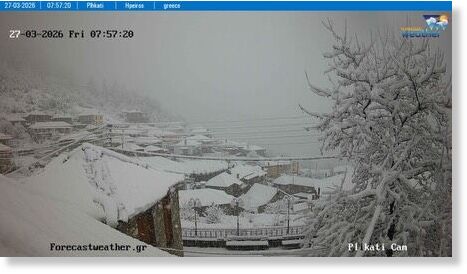
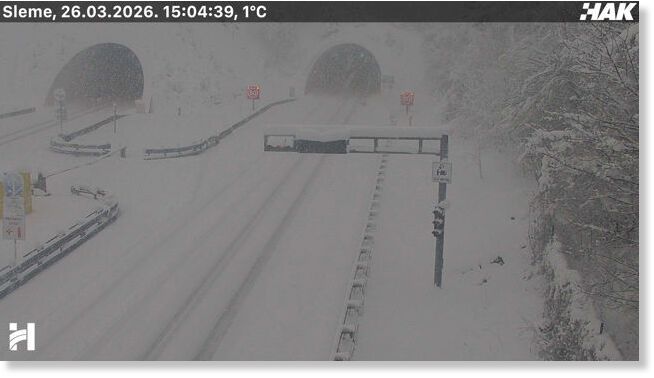
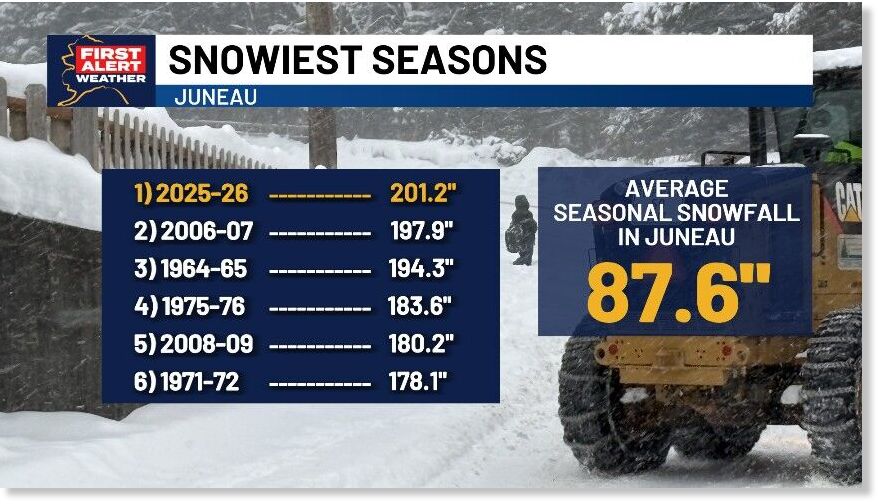
Wild extremes are now the 'new norm'. The 'heat dome' has already given way to a reversal to winter temperatures:




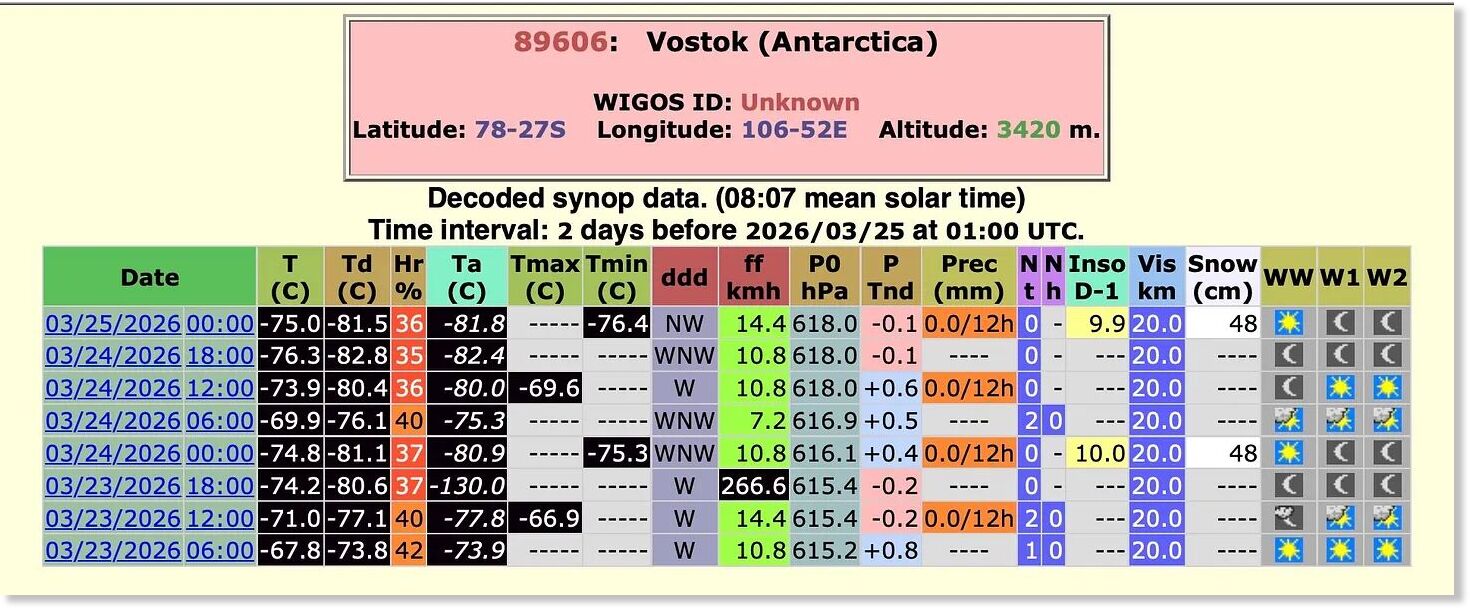






Comment: Nebraska is already fighting wildfires, including the largest in its history:
The snowpack is already gone in many places, whereas it's usually at its peak this time of year:
Sioux Falls saw a temperature swing of 49C in just 5 days:
This appears to have been driven, at least in part, by a 'marine heatwave off the US west coast - i.e., heating coming from below...
Wild extremes are now the 'new norm'. The 'heat dome' has already given way to a reversal to winter temperatures: