Health & WellnessS


Pills

Whistleblower at heart of Ranbaxy drugs scandal says all warnings to UK officials ignored

Image
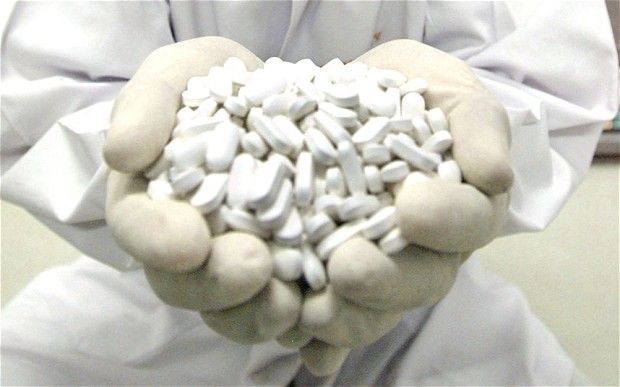
© BloombergA Ranbaxy technician displays anti-anthrax Cipro tablets

Dinesh Thakur, formerly a senior executive at Ranbaxy, repeatedly contacted officials at the UK Medicines and Heath Products Regulatory Authority (MHRA) with concerns about at least 16 drugs the company was supplying or seeking to supply to the National Health Service.

Manufactured in India, the medicines were "generic" versions of branded drugs, which are made for a fraction of the cost and save the NHS billions of pounds a year. They included common antibiotics and anti-cholesterol drugs prescribed millions of times to Britons annually, as well as treatments for serious conditions such as depression, schizophrenia and epilepsy.

In a series of emails from 2004 onwards to the MHRA seen by The Daily Telegraph, Mr Thakur listed the drugs that he said were available or soon to be on sale in Britain on what he alleged was suspect or unreliable clinical data. He suggested that British patients may have been put at risk by Ranbaxy's "spurious, untested medicines".

An investigation by The Daily Telegraph has revealed that the MHRA's reaction to Mr Thakur's overtures contrasted sharply with that of the US Food and Drugs Administration.

Comment: For more information on the Ranbaxy scandal read: Dirty medicine


2 + 2 = 4

Scan predicts whether therapy or meds will best lift depression

Image
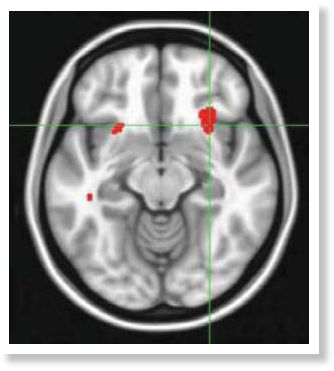
© Helen Mayberg, M.D., Emory UniversityIf a patient’s pre-treatment resting brain activity was low in the front part of the insula, on the right side of the brain (red area where green lines converge), it signaled a significantly higher likelihood of remission with CBT and a poor response to escitalopram. Conversely, hyperactivity in the insula predicted remission with escitalopram and a poor response to CBT. Picture shows PET data superimposed on anatomic MRI scan data.

Pre-treatment scans of brain activity predicted whether depressed patients would best achieve remission with an antidepressant medication or psychotherapy, in a study funded by the National Institutes of Health.

"Our goal is to develop reliable biomarkers that match an individual patient to the treatment option most likely to be successful, while also avoiding those that will be ineffective," explained Helen Mayberg, M.D., of Emory University, Atlanta, a grantee of the NIH's National Institute of Mental Health.

Mayberg and colleagues report on their findings in JAMA Psychiatry, June 12, 2013.

"For the treatment of mental disorders, brain imaging remains primarily a research tool, yet these results demonstrate how it may be on the cusp of aiding in clinical decision-making," said NIMH Director Thomas R. Insel, M.D.

Currently, determining whether a particular patient with depression would best respond to psychotherapy or medication is based on trial and error. In the absence of any objective guidance that could predict improvement, clinicians typically try a treatment that they, or the patient, prefer for a month or two to see if it works. Consequently, only about 40 percent of patients achieve remission following initial treatment. This is costly in terms of human suffering as well as health care spending.

Heart

The amazing health benefits of bone broth

Image

Bone broth provides the nutritional synergy to calm an overactive immune system while supplying the body with raw materials to rebuild stronger and healthier cells.
Many cultures have used bone broth to make healing elixirs, soups and stews for many centuries. The Jewish community made chicken soup the popular remedy for the common cold without fully understanding the unique health benefits in this dish. Science has revealed the amazing health benefits that come with bone broth.

Bone broth can be made from any animal with bones and the most popular soup bones include those of fish, chicken, turkey, beef, lamb and venison. The bones house a variety of powerful nutrients that become released when they are slowly simmered in water for a few hours. These nutrients include bone marrow which helps provide the raw materials for healthy blood cells and immune development.

Key nutrients that enhance healing

Other valuable nutrients include collagen, gelatin, hyaluronic acid, chondroitin sulfate, glycosamino glycans, proline, glycine, calcium, phosphorus, magnesium and potassium. These all help with the development of healthy joints, bones, ligaments and tendons as well as hair and skin. These nutrients are considered beauty foods because they help the body with proper structural alignment and beautiful skin and hair.

Glycine and proline are essential for connective tissue function which is the biological glue that holds are bodies together. Without them we would literally fall apart. These two amino acids are essential for healing microscopic wounds throughout the body and they also suppress inflammatory activity. This is especially important for individuals with chronic inflammation or auto-immune conditions.

Bone broth provides the nutritional synergy to calm an overactive immune system while supplying the body with raw materials to rebuild stronger and healthier cells. This is why it is such a great healing food to have when the body is encountering stress from bacterial or viral infections as well as digestive disorders and leaky gut syndrome.

Family

Study links women's reproductive function to their immune status

Image
© ReutersA new study conducted by researchers at the University of Illinois links women’s reproductive function to their immune status.
A new study conducted by researchers at the University of Illinois links women's reproductive function to their immune status. Previously, studies have found this relation in human males, but this is the first study to find the association in females.

The study was led by Kathryn Clancy, an anthropology professor from the University of Illinois. According to Clancy, the first priority of the body is maintenance, consisting of tasks inherently related to survival that includes immune function. The energy that is left out is then contributed to reproduction. A balance has to be maintained between the resources allocated to maintenance and reproductive efforts, and environmental stressors can reduce these available limited resources.

Evil Rays

'Occupy your home': Confronting 'electro-pollution' and smart meter toxification

Image
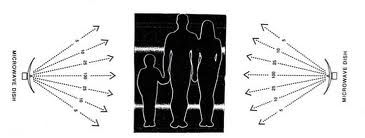
Health Impacts of Radio Frequency (RF) Microwave Emissions
An overwhelming majority of US and Canadian citizens are entirely unaware that an especially dangerous device has been attached to their homes. While installation of "smart meters" across North America has continued apace since 2009 the health effects such devices pose have yet to be fully realized. Left unaddressed the broad use and continued deployment of such equipment will almost certainly influence human health for many generations to come.
On May 22 my household received a "Notification Letter" from Florida Power and Light (FPL) stating the company's intent to replace our existing analog meter with a new device equipped to communicate with other such meters in the utility's wireless "mesh network."{1] According to FPL we are among roughly 20,000 of Florida homes that have rejected the new digital device in lieu of an analog model.[2]The letter carries the industry's familiar line - that the "meter upgrade" is intended to "provide you with more information so you can take more control over your energy use and monthly bills" while more readily "identify[ing]" and resolving power outages.

Beaker

Meet 'schmeat': Lab-grown meat to hits the grill this month

Hamberger
Maastricht University physiologist Mark Post is expected to grill a patty of lab-grown meat that has taken two years and €250,000 ($338,000) to produce. (Google)
Maastricht University physiologist Mark Post is expected to grill a patty of lab-grown meat that has taken two years and €250,000 ($338,000) to produce.

A hamburger patty made from lab-grown meat - or "schmeat" - is expected to be unveiled and grilled later this month at an event in London that is highly anticipated by animal rights activists and other backers.

"The vision for this burger is really to attract support, to attract funding," said social sciences researcher Neil Stephens in an interview with CBC's The Current host Anna Maria Tremonti. "And I'm sure it will because it's a very enticing idea for many people."

Stephens, a professor at Cardiff University in Wales, has been studying the ethical and cultural issues around in vitro meat and has interviewed all the key scientific figures in the field.

Video

Seeds of Death: Unveiling the lies of GMO's


Pills

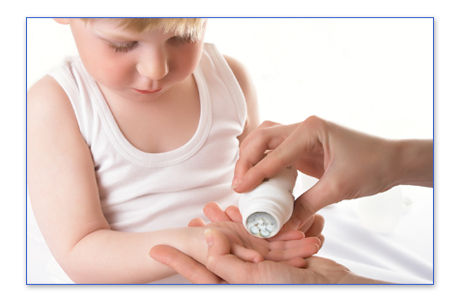
Pharmaceutical drug marketing to our children: bordering on criminal

Image
A lot of money can be made from healthy people who believe they are sick.
I can't be the only one noticing. In fact I'm pretty sure I'm not. Drugs are being marketed directly to our children. If you don't believe me, just take a closer look at the commercials plastered about our TV shows at an estimated and alarming 80 an hour (1), many targeting our little ones with images of animals and cartoons. Everywhere in the world, except the United States and New Zealand, direct-to-consumer pharmaceutical drug advertising is prohibited (2). Perhaps it's time to think about why it should be banned here, too.

TV ads are designed to make an impact. They are meant to foster brand familiarity and loyalty. They appeal to our emotions. They often emphasize our shortcomings as fathers, mothers, friends, and spouses. Commercials influence us into thinking that using a particular product is a normal, ordinary, good idea: an everyday thing to do that everybody is doing.

I remember being shocked the first time I saw a pharmaceutical drug ad on TV. I couldn't believe that anyone would take a medication with a list of side effects that seemed so much worse than the disease it supposedly helped treat. Now, it is easy to become numb to them. The sheer volume of drug advertisements we are inundated with on a regular basis practically ensures we accept them as a natural part of life. Now that their presence isn't as shocking, it is easy to pay more attention to the beautiful imagery on the screen rather than the described dangers of the drug. I can rattle off brand name after brand name, and I'm not even paying attention, nor do I have any interest in them.

Until recently. When my baby girl starting pointing at cartoons and animals in pharmaceutical ads, I had had enough.

Sun

Vitamin D cuts blood pressure and slashes risk of stroke and heart attack

Millions of people could reduce their risk of high blood pressure by going out in the sunlight every day, says a report published today

Image
Enjoying the sun is not just pleasant but a health booster, according to scientists
Scientists have found a direct link between a deficiency in vitamin D - caused by lack of exposure to the sun - and hypertension, which also raises the likelihood of stroke and heart attacks.

The worldwide study found that people with high concentrations of the "sunshine vitamin" had reduced blood pressure.

Scientists say there is a "strong case for food fortification with vitamin D to ­prevent some kinds of cardiovascular disease".

A spokesman for Vitabiotics, who developed Ultra Vitamin D, which contains the preferred D3 form found in the body said: "Vitamin D has been called the 'Wonder Vitamin' as it plays a truly remarkable role in the body and is essential for all round good health. Vitamin D has been found to influence all 36 organ tissues in the body.

"It is not only vital for strong bones, but is now known for its role in the immune system, hormone metabolism, brain function and mood, Cardio-vascular function and now blood pressure regulation. While scientific data is mounting on almost a daily basis about the enormous benefits of vitamin D, at the same time it is clear most of us are not getting enough vitamin D due to the lack of sunlight we are exposed to throughout the year.

"New research shows that optimum intake levels of vitamin D may be far higher than previously thought and this has led to widespread calls from leading doctors and scientists across Europe for the RDA for vitamin D to be increased."

Bacon

Damning new study demonstrates harm to animals raised on GMO feed

Image
© Jamie Lantzy
Just when you thought the market for controversy over genetically modified organisms (GMOs) was completely saturated, a new study published in the Journal of Organic Systems finds that pigs raised on a mixed diet of GM corn and GM soy had higher rates of intestinal problems, "including inflammation of the stomach and small intestine, stomach ulcers, a thinning of intestinal walls and an increase in haemorrhagic bowel disease, where a pig can rapidly 'bleed-out' from their bowel and die." Both male and female pigs reared on the GM diet were more likely to have severe stomach inflammation, at a rate of four times and 2.2 times the control group, respectively. There were also reproductive effects: the uteri of female pigs raised on GM feed were 25 percent larger (in proportion to body size) than those of control sows. (All male pigs were neutered, so scientists were unable to study any effects on the male reproductive systems.)