Health & WellnessS


Syringe

Vaccination lies and other tales

Image
© NPR.org
Breaking news out of Rawalpindi, Pakistan, is something the medical profession - and Big Pharma - probably do not want parents in the USA to hear or know. Children who have been fully vaccinated against measles are coming down with, you guessed it, measles! How can that be, when vaccinations are supposed to 'immunize' children against the very diseases for which they get the toxic 'jabs'?

Measles is not the only vaccine slipup; whooping cough has been disproving vaccine 'science' for quite a while now. Natural News blew the whistle on that in their article "Vaccine failure admitted: Whooping cough outbreaks higher among children already vaccinated"[1] Polio has been caused by the very vaccine to prevent it. Back in August of 2009 Associated Press London news service reported, "Polio is spreading in Nigeria and health officials say in some cases it's caused by the vaccine used to fight the paralyzing disease."[2]

Truly, something is amiss within the supposed science of vaccinology, especially if the only logic behind vaccines and vaccinations is the rabid belief that vaccines provide immunity from disease.

In the June 15, 2013 Pakistani Dawn.com report[3] parents are distraught with disbelief as to why their children are contracting the very disease for which some children have had vaccinations more than once, and from a very early age.


Question

Are your Gastro-Intestinal issues connected to GM food?

Image
We are creatures of habit. Lets face it. We buy our snacks in fancy packages, and enjoy the carefully engineered delicious food, without thinking about it. Perhaps it is time to start connecting some dots.

In 1996, genetically modified (GM) crops entered human food and animal feed in increasing amounts after being commercially released into USA fields. The main products were corn and soy. In addition to those modified crops, and many others since then, GM mosquitoes have also been introduced into the ecosystem, without the consent of the people.

A recent study published in the peer reviewed Journal of Organic Systems demonstrated that Pigs fed a GMO diet showed a higher rate of severe stomach inflammation than pigs fed a comparable non GMO diet.This finding was a result of a long-term toxicology study on pigs that were fed a combination of soy and GM maize (both genetically modified). Dr. Judy Carman, from the Institute of Health and Environmental Research, Australia led the study.

The significance of this 23 week study is that it reveals biological evidence linking GMO crops to significant harm. It showed that there was a 267% increase in stomach inflammation compared to the non GMO diets for the participating pigs. Surprisingly, males had an even higher increase (400%). 168 young pigs were involved in this study.

Comment: Read the following articles for more information about the link between GMO foods and Gut (Gastro-intestinal) issues:

The Hidden Epidemic Destroying Your Gut Flora

How GMO farming and food is making our gut flora unfriendly

Monsanto's Roundup devastating gut health, contributing to overgrowth of deadly bacteria

Worse than DDT: When you eat this, it ends up lingering in your gut


Health

Science confirms Turmeric as effective as 14 Drugs

Image
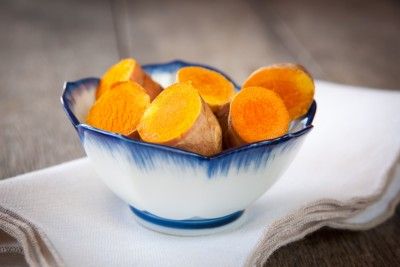
Turmeric is one the most thoroughly researched plants in existence today. Its medicinal properties and components (primarily curcumin) have been the subject of over 5600 peer-reviewed and published biomedical studies. In fact, our five-year long research project on this sacred plant has revealed over 600 potential preventive and therapeutic applications, as well as 175 distinct beneficial physiological effects. This entire database of 1,585 ncbi-hyperlinked turmeric abstracts can be downloaded as a PDF at our Downloadable Turmeric Document page, and acquired either as a retail item or with 200 GMI-tokens, for those of you who are already are members and receive them automatically each month.

Given the sheer density of research performed on this remarkable spice, it is no wonder that a growing number of studies have concluded that it compares favorably to a variety of conventional medications, including:
  • Lipitor/Atorvastatin(cholesterol medication): A 2008 study published in the journal Drugs in R & D found that a standardized preparation of curcuminoids from Turmeric compared favorably to the drug atorvastatin (trade name Lipitor) on endothelial dysfunction, the underlying pathology of the blood vessels that drives atherosclerosis, in association with reductions in inflammation and oxidative stress in type 2 diabetic patients. [i] [For addition curcumin and 'high cholesterol' research - 8 abstracts]
  • Corticosteroids (steroid medications): A 1999 study published in the journal Phytotherapy Research found that the primary polyphenol in turmeric, the saffron colored pigment known as curcumin, compared favorably to steroids in the management of chronic anterior uveitis, an inflammatory eye disease.[ii] A 2008 study published in Critical Care Medicine found that curcumin compared favorably to the corticosteroid drug dexamethasone in the animal model as an alternative therapy for protecting lung transplantation-associated injury by down-regulating inflammatory genes.[iii] An earlier 2003 study published in Cancer Letters found the same drug also compared favorably to dexamethasone in a lung ischaemia-repurfusion injury model.[iv] [for additional curcumin and inflammation research - 52 abstracts]
  • Prozac/Fluoxetine & Imipramine (antidepressants): A 2011 study published in the journal Acta Poloniae Pharmaceutica found that curcumin compared favorably to both drugs in reducing depressive behavior in an animal model.[v] [for additional curcumin and depression research - 5 abstracts]
  • Aspirin (blood thinner): A 1986 in vitro and ex vivo study published in the journal Arzneimittelforschung found that curcumin has anti-platelet and prostacyclin modulating effects compared to aspirin, indicating it may have value in patients prone to vascular thrombosis and requiring anti-arthritis therapy.[vi] [for additional curcumin and anti-platelet research]
  • Anti-inflammatory Drugs: A 2004 study published in the journal Oncogene found that curcumin (as well as resveratrol) were effective alternatives to the drugs aspirin, ibuprofen, sulindac, phenylbutazone, naproxen, indomethacin, diclofenac, dexamethasone, celecoxib, and tamoxifen in exerting anti-inflammatory and anti-proliferative activity against tumor cells.[vii] [for additional curcumin and anti-proliferative research - 15 abstracts]
  • Oxaliplatin (chemotherapy drug): A 2007 study published in the International Journal of Cancer found that curcumin compares favorably with oxaliplatin as an antiproliferative agenet in colorectal cell lines.[viii] [for additional curcumin and colorectal cancer research - 52 abstracts]
  • Metformin (diabetes drug): A 2009 study published in the journal Biochemitry and Biophysical Research Community explored how curcumin might be valuable in treating diabetes, finding that it activates AMPK (which increases glucose uptake) and suppresses gluconeogenic gene expression (which suppresses glucose production in the liver) in hepatoma cells. Interestingly, they found curcumin to be 500 times to 100,000 times (in the form known as tetrahydrocurcuminoids(THC)) more potent than metformin in activating AMPK and its downstream target acetyl-CoA carboxylase (ACC). [ix]

Alarm Clock

If Dr. Offit had his way, Vitamins would be treated as drugs

Image
The New York Times has published another shameful op-ed bashing nutritional supplements. Here's our response.

This week, Dr. Paul A. Offit, chief of the infectious diseases division of the Children's Hospital of Philadelphia (and author of a forthcoming book called, hilariously enough, Do You Believe in Magic?: The Sense and Nonsense of Alternative Medicine), wrote a piece for the New York Times called "Don't Take Your Vitamins."

In his article, Dr. Offit states, "Nutrition experts argue that people need only the recommended daily allowance - the amount of vitamins found in a routine diet. Vitamin manufacturers argue that a regular diet doesn't contain enough vitamins, and that more is better."

Magnify

Why are foods and supplements made for children packed with hazardous chemicals, hidden Aspartame and GMOs?

Image
As a parent, one of the best gifts you can give your child is a strong nutritional start. The first years of life represent a time of rapid development, during which your child's language, cognitive, social and motor skills are developed.

During the first three years of life, the brain also grows at its fastest rate, and this represents a crucial window of development during which proper nutrition is essential.

If your child does not get healthy foods (and ideally breast milk) during this time, his future intelligence could be impacted.

A 2010 study1 revealed just how big an impact a poor nutritional start can have on your kids. Those who ate a predominantly processed food diet at age 3 had lower IQ scores at age 8.5. For each measured increase in processed foods, participants had a nearly two point decrease in IQ.

As you might suspect, the opposite also held true, with those eating healthier diets experiencing higher IQ levels.
As a parent, it is important to carefully consider the types of foods you give your child at home and in restaurants, as research has shown that repeated exposure builds taste preferences very quickly.
Potentially reduced IQ is not the only health risk your child faces if he eats a diet consisting mainly of processed foods and snacks.

A junk food diet can also set the stage for obesity, asthma, eczema, and a variety of allergies, behavioral problems - from hyperactivity to aggression - as well as inflammatory conditions and autoimmune diseases. In fact, many of the top diseases plaguing the United States are diet-related, including heart disease, diabetes and cancer.

The National Institutes of Health even states that four of the six leading causes of death in the US are linked to unhealthy diets.

Syringe

Japan's health ministry withdraws recommendation for cervical cancer vaccine

Cervical Vaccine
© The Asahi ShimbunMika Matsufuji, second from right, and other members of the “Zenkoku Shikyukeigan Vaccine Higaisha Renrakukai” hold a news conference to explain possible side effects of a vaccination against cervical cancer in Tokyo on March 25.
The health ministry decided June 14 to withdraw its recommendation for a vaccination to protect girls against cervical cancer after hundreds complained about possible side effects, including long-term pain and numbness.

The Ministry of Health, Labor and Welfare is not suspending the use of the vaccination, but it has instructed local governments not to promote the use of the medicine while studies are conducted on the matter.

"The decision (not to recommend the vaccination) does not mean that the vaccine itself is problematic from the viewpoint of safety," said Mariko Momoi, vice president of the International University of Health and Welfare, who headed a ministry task force looking into the matter.

"By implementing investigations, we want to offer information that can make the people feel more at ease."

It is rare for the ministry to withdraw a recommendation for a vaccine that is used regularly by local governments and is spelled out in a law.

Girls can still receive the vaccination for free, although medical institutions must now inform them beforehand that the ministry does not recommend it.

Magic Wand

Health benefits of Basil

Image
Basics on Basil

Botanical name: Ocimum basilicum

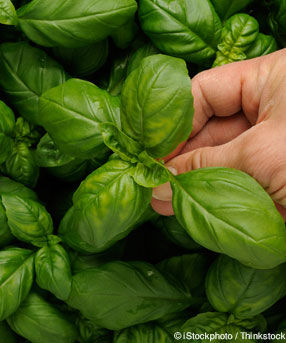
If a kitchen has only a few herbs in its possession, basil will likely be one of them. Its fragrant essence combines well with rosemary and thyme in meat dishes, fish, vegetables, cheese, soup and eggs, and is one of the main ingredients in pesto, along with pine nuts and parmesan cheese.

Although more than 60 varieties of basil have been identified, they all fall into three main types: sweet, purple, and bush. Each offers a subtle difference in taste; varieties such as lemon, anise, and cinnamon basil give you an idea of how one might modify and enhance a recipe. It only takes a few leaves to transform a simple dish.

Basil plants are easy to maintain indoors and out. Snip off budding heads whenever they appear and underneath the base of a leaf near the bottom on spindly stems to keep your plant full, and a new branch will appear.

To dry basil leaves, warm your oven to 140 degrees while placing a single layer of basil leaves on a baking sheet. Turn off the oven and pop in your pan for 20 minutes (you don't want them to actually bake). Remove the pan, cool the leaves, and store immediately in airtight bottles or zip-lock bags, away from sunlight.

Bad Guys

GMO Crops: Scientists agree it's bio-warfare on our food supply

Image
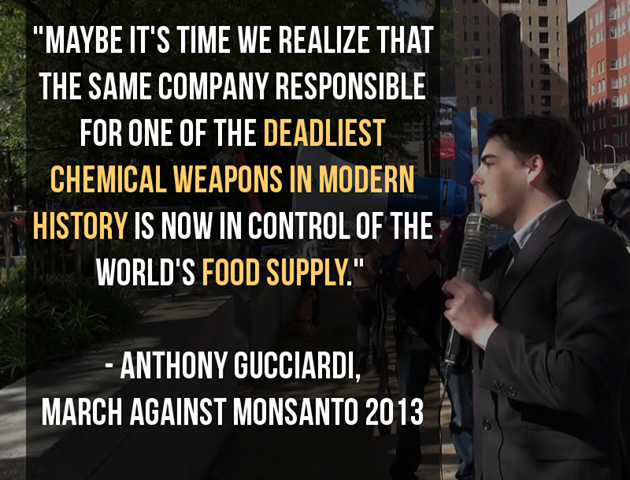
You don't have to be a rocket scientist to understand why genetically modified foods are dangerous, but if you look closely, you may just find the name of one listed among the names of more than 800 scientists from around the globe who have joined forces in an open letter to all world governments, outlining their detailed concerns over the alarming potential threat of biotech's unauthorized, worldwide GMO foods experiment.

In a country whose government and media appear only too eager to conjure up fear of "bioterrorism" and "biological weapons," it's shocking (albeit obviously deliberate) to what extent the GMO issue remains omitted from mainstream discussion. Consider that the message from these scientists seems to be that the whole planet is already under attack by the persistent and largely unchecked, reckless behavior of greedy, unruly U.S. corporations - corporations whose activities appear to be sponsored by the federal government. And whether you know it yet or not, your body is the battleground.

Red Flag

Splenda® Sucra-Highs and Sucralose: Miracle sweetener or cause of Leukemia?

Image

While millions around the world consume foods and beverages sweetened with Splenda (sucralose) with abandon, an accumulating body of research indicates that this synthetic chemical is far from safe, may contribute to obesity and blood sugar disorders, and more recently has even been linked to leukemia in animal experiments.


For several years now, Greenmedinfo (GMI) has consolidated scientific study abstracts from the National Library of Medicine about Splenda (sucralose) and its potential health related effects. Two articles citing the most compelling research are The Bitter Truth about Splenda and Splenda (Sucralose) Found to have Diabetes Promoting Effects, both by GMI's founder, Sayer Ji. The former refers to its xenobiotic nature, i.e. its metabolically foreign chemical properties, 1 and provides evidence that when the sensation of sweetness is disassociated from 'food,' i.e. a source of calories or nutrition, it is either unrecognizable by the body, or disrupts the body neuroendocrine system in an adverse manner. 2

The latter article focuses on the potential sucralose has to promote diabetic and /or pre-diabetic disease processes within the human body. The results delineated in the study point to just a single dose of sucralose resulting in increases in blood sugar concentration, increases in insulin levels and decreases in insulin sensitivity, all of which are possible pre-cursors to diabetes. 3

The study came to the attention of a Johnson & Johnson spokesperson, who submitted a rebuttal letter to our founder. View it here.

Hearts

Want to lower your blood pressure? Try helping others!

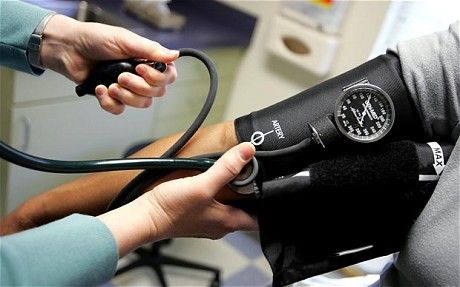
Taking blood pressure
© GETTY
It turns out that helping others can also help you protect yourself from high blood pressure.

New research from Carnegie Mellon University shows that older adults who volunteer for at least 200 hours per year decrease their risk of hypertension, or high blood pressure, by 40 percent. The study, published by the American Psychological Association's Psychology and Aging journal, suggests that volunteer work may be an effective non-pharmaceutical option to help prevent the condition. Hypertension affects an estimated 65 million Americans and is a major contributor to cardiovascular disease, the leading cause of death in the U.S.

"Everyday, we are learning more about how negative lifestyle factors like poor diet and lack of exercise increase hypertension risk," said Rodlescia S. Sneed, a Ph.D. candidate in psychology in CMU's Dietrich College of Humanities and Social Sciences and lead author of the study. "Here, we wanted to determine if a positive lifestyle factor like volunteer work could actually reduce disease risk. And, the results give older adults an example of something that they can actively do to remain healthy and age successfully."