
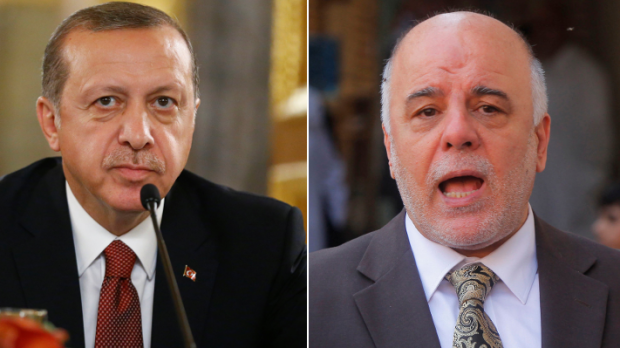
Erdogan and Abadi.
Recently, on October 1st, the Turkish parliament backed a proposal to extend Turkey's mandate in Syria and Iraq for one year. On October 4th, the Iraqi parliament adopted a resolution protesting the continued presence of the troops near Mosul, prompting the Turkish foreign ministry to condemn the resolution and to summon the Iraqi ambassador. Turkish Deputy PM Kurtulmus responded by saying "no one can object to Turkish presence in Iraq. Our soldiers are there with the consent of northern Iraq's [Kurdish autonomy] administration." Foreign Minister Cavusoglu claimed that the resolution "does not reflect the thinking of all of the Iraqi people", adding that Turkish troops there have killed 750+ Daesh terrorists so far, and are needed there because Iraq cannot maintain its own security and stability. PM Yildirim was unequivocal: "Turkey will maintain its presence in Iraq", adding that Turkey has "no hostile intentions toward the Iraqi territory and territorial integrity."



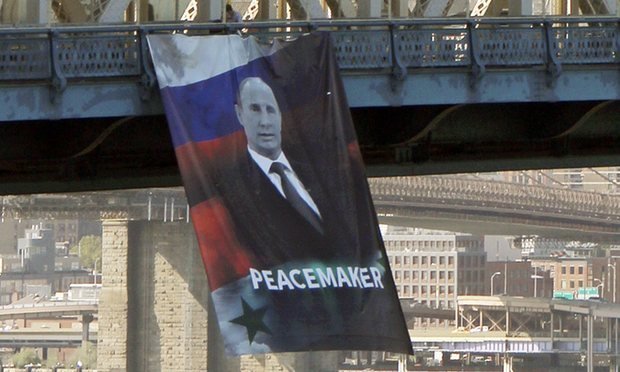









Comment: Could Putin be worried for the students amidst growing anti-Russian sentiment?