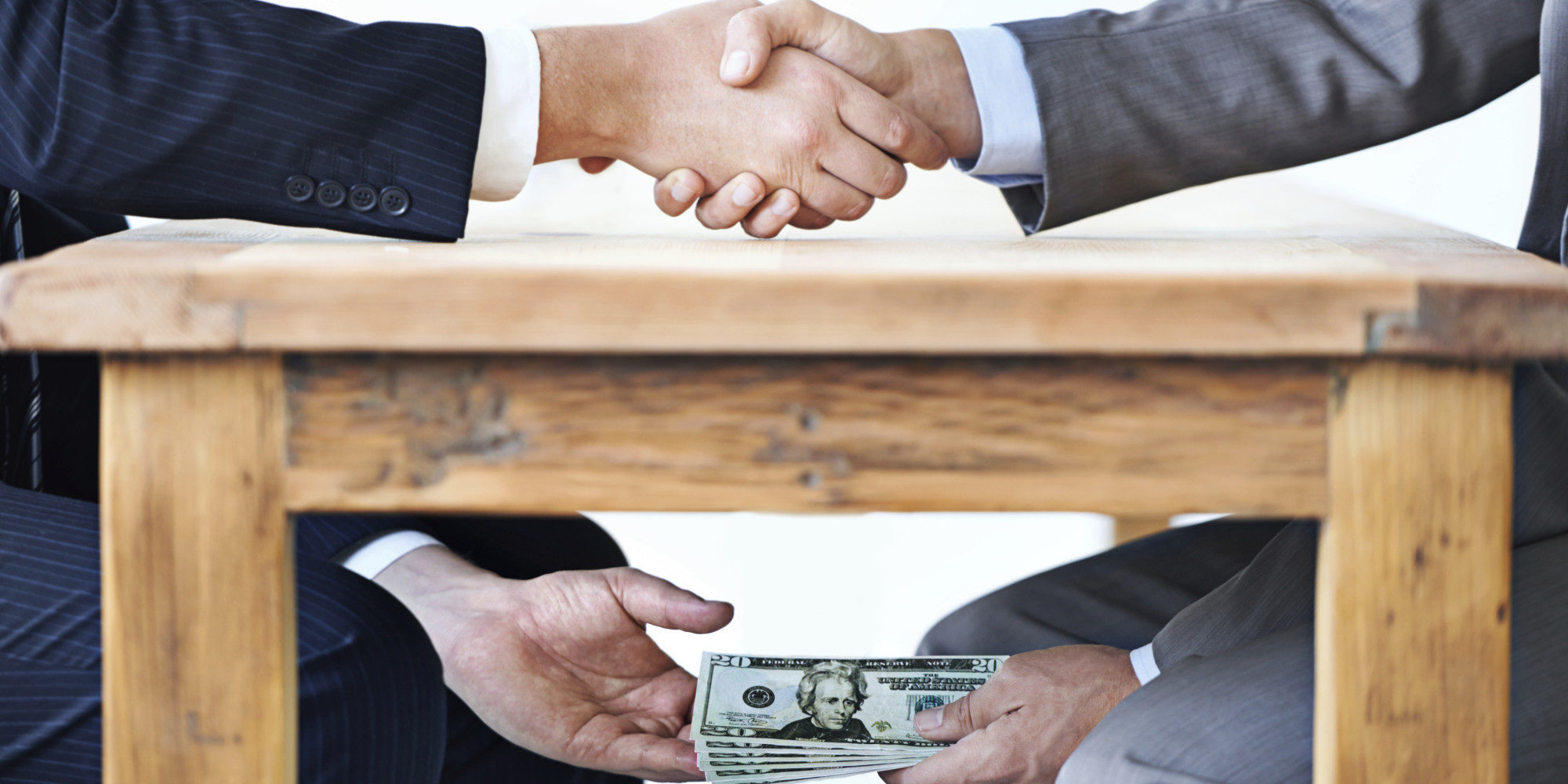
Paying bribes to your enemies to switch sides and become your friends is as old as monkeys and men (and women). As gang and warfighting strategies have evolved,
corruption with money was always to be preferred to force with arms because corruption is much cheaper, and the results more predictable, at least in the short run.
A new book on corruption in the former Soviet states of Central Asia provides a handy reckoner of the colossal sums of money which have been exchanged to sustain the ruling regimes, or to change them. Alexander Cooley's and John Heathershaw's "Dictators Without Borders, Power and Money in Central Asia", just
published by Yale University Press, is also an encyclopedia of palaces owned in the UK, France and the US by the rulers of the Central Asian states and their hangers-on; the names and fates of the principal opposition leaders in exile from those states; a dossier of renditions, arrests, and assassinations carried out by the Uzbek and Tajik security services abroad; and case studies of the billion-dollar larcenies of the Kazakh and Kyrgyz bankers, Mukhtar Ablyazov and Maxim Bakiyev; of the Uzbek heiress Gulnara Karimova; and of the Tajikistan Aluminium Company (Talco) controlled by the Tajik President Emomali Rahmon.
The new book is also a valuable balancer on the side of independent research and antidote for the propaganda to be found from US and UK Government-funded think-tanks such as the Carnegie Endowment, Brookings Institution, Freedom House, and Chatham House.
When painstaking exposition of detail is required for the reader to understand the borderlands between force, fraud and subversion in Central Asia, and informed sources don't readily talk - or tell the truth — there is only so much violence and corruption that can be fitted into three hundred pages.












Comment: So, securing Germany and France's energy needs apparently trumps Washington's 'interests'. We shall see...