
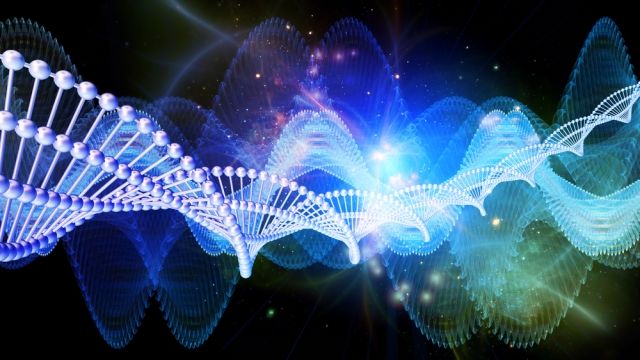
© agsandrew, via Shutterstock
It turns out that schizophrenia is an example of what's known as an epigenetic effect, which are changes in the body's cells that are not directly tied to genetic defects. These epigentic effects can actually prevent DNA from functioning properly, and these have the potential to cause some truly devastating diseases.
One part of the cell that is particularly susceptible to these epigenetic problems are structures known as the histones, which are structural proteins that DNA has to wrap around. Much like our small intestine has to be tightly coiled within our body to fit it all in, the total length of DNA would never actually fit in any one cell, and so it has to be wrapped around the histones for it to fit at all.












Comment: The scientists might get a little further if they were to look in the direction of diet and environment as a source of gene signalling:
Gluten Intolerance Tied to Schizophrenia
Wheat and Schizophrenia
The Links Between Sugar and Mental Health
Toxoplasmosis linked to schizophrenia
Severe, acute maternal stress linked to the development of schizophrenia