Animals
S


Attention

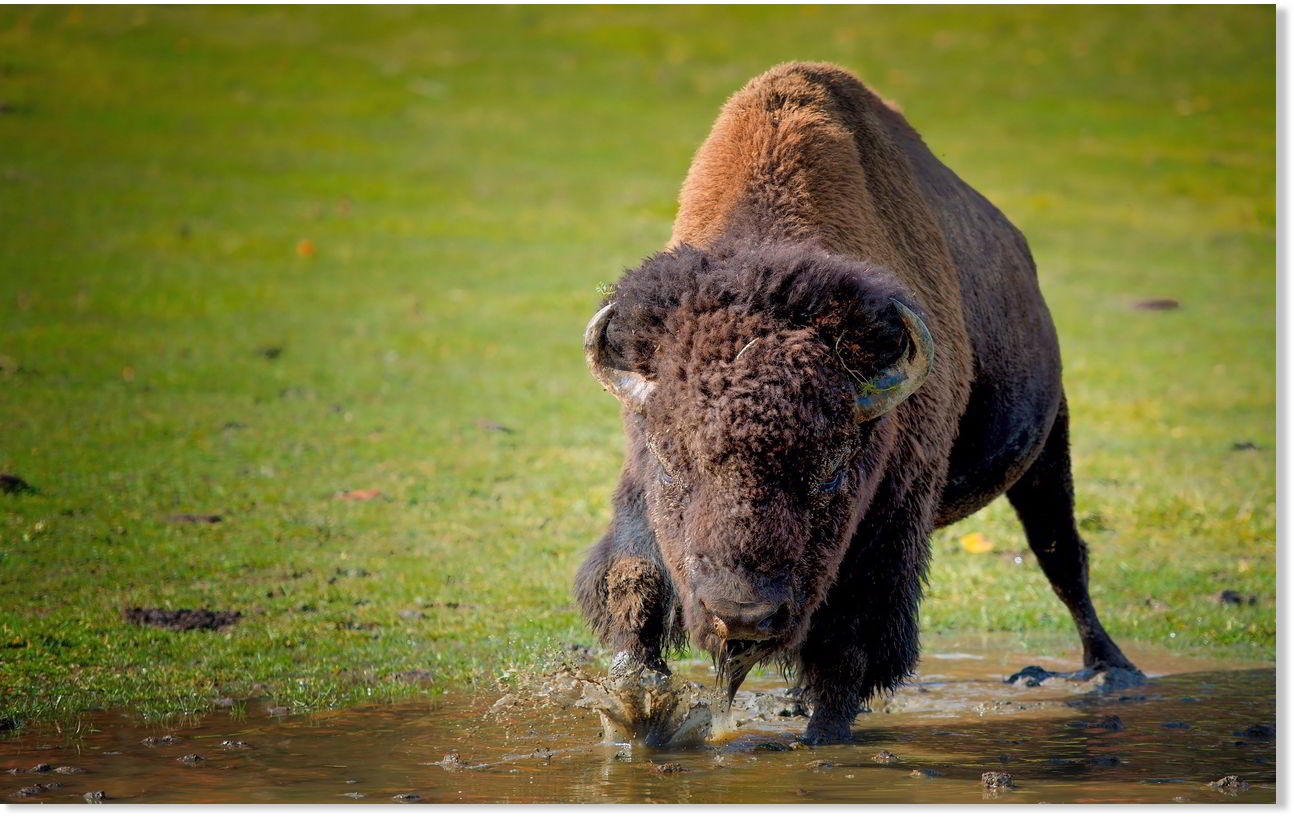
Student gored by bison in Yellowstone Park

Image
© Salvatore WugangeCharging bison
A 16-year-old girl has been gored by a bison in Yellowstone National Park while posing for a picture near the animal.

The National Park Service says the unidentified girl's injuries were serious but not life-threatening.

The agency described her as an exchange student from Taiwan who was visiting the park with her host family.

The incident occurred shortly after noon Friday in the Old Faithful area.

The Park Service says she and others were between 3 and 6 feet from the bison when she turned her back to the bison to have her picture taken. The bison took a couple steps and gored her.

The girl was airlifted to an area hospital.

The Park Service advises visitors to stay at least 25 yards away from bison in the park.

Wolf

5 people treated for wolf bites in Israel

Image
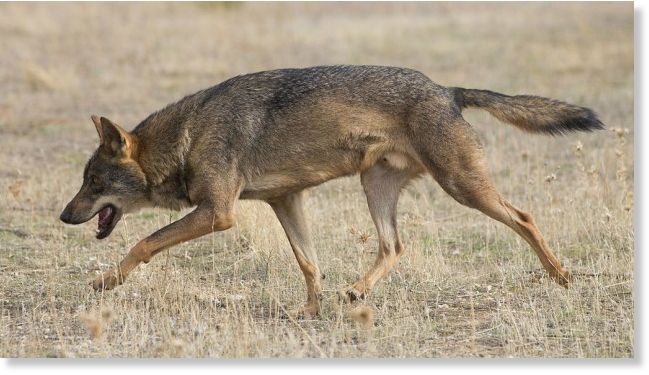
© Carlos Delgado/Wikimedia CommonsAn illustrative photo of a gray wolf.
Five people were lightly wounded on Saturday when a wolf suspected of carrying rabies attacked three groups of hikers in separate incidents in northern Israel.

The five who were bitten by the canine were given rabies shots, as were another two people as a precautionary measure, according to Ynet.

The she-wolf first attacked a group of hikers in the Golan Heights. Although bystanders were eventually successful in chasing the wolf away with rocks, three individuals were bitten, including a father and his nine-year-old son.

The victims were transferred to the nearby Ziv Medical Center and were listed in good condition.

"The father is suffering from cuts and scratches on his hands and arms," said Majid Abu Janev, a nurse who treated the victims.

Three more people later arrived at the medical center; a man suffering from scratches and a fractured ankle he sustained while trying to escape the wolf and a woman suffering from a bite and deep scratches. The woman's husband was also given a rabies vaccine after coming into contact with her open wounds.

"We thoroughly washed, disinfected and bandaged the wounds and administered rabies vaccines," Janev said.

Attention

Swedish man's roar scares off charging bear

Image
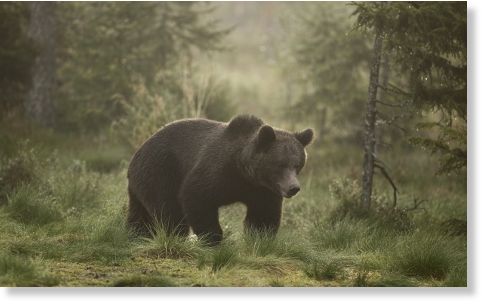
© Håkan Vargas S/imagebank.sweden.seA Scandinavian brown bear.
Ralph Persson, a hunter in Jämtland, northern Sweden, scared off a charging bear by roaring at the animal as it attacked him, it has emerged.

While out training a new hunting dog, Persson sensed a change in the animal's bark. Seconds later a brown bear came charging at him from the woods. "I screamed as much as I could and made myself very big," Persson told Sundsvall Tidning newspaper, in an interview which has gone viral over the past week.

The bear quickly veered off back into the trees, utterly surprised by Persson's ferocity. Both Ralph and his wife Lena filmed the encounter which can be seen on the newspaper's website.


Question

Odd animal behaviour: A beaver walks into a hardware store in Fairbanks, Alaska

Image
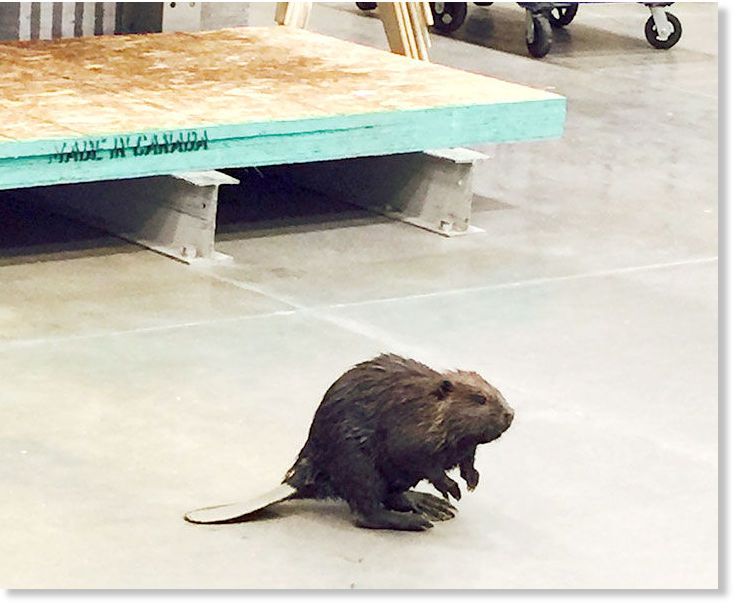
© Angelesa WardA beaver pauses in the middle of an aisle at the Lowe's store in Fairbanks, Alaska, Friday, May 15, 2015.
Sometimes driftwood just isn't enough, one beaver decided when it took an impromptu trip to Lowe's early Friday morning.

The beaver wandered into the parking lot of the Lowe's construction and home improvement store on the Johansen Expressway at about 7 a.m., triggering the automatic doors and strolling inside.

Once inside the store, the beaver made its way to the plumbing department, where store employees attempted to provide assistance to the wild animal.

A cellphone video of the incident shows employees asking the beaver if there is anything they can help it find in the store. However, the beaver — like many construction store shoppers — seemed to prefer to wander aimlessly through the store instead of asking for help.

One witness in the video observed that the beaver appeared to be injured.

Arrow Down

One third of Europe's birds under threat, says most comprehensive study yet

Image
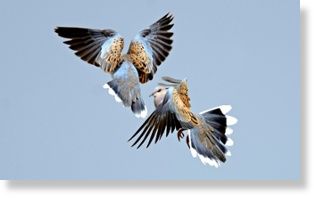
© David Tipling/Alamy Turtle dove populations have fallen by 90% or more since 1980 in Europe.
One in three European birds is endangered, according to a leaked version of the most comprehensive study of Europe's wildlife and natural habitats ever produced.

The EU State of Nature report, seen by the Guardian, paints a picture of dramatic decline among once common avian species such as the skylark and turtle dove mainly as a result of agricultural pressures, and also warns that ecosystems are struggling to cope with the impact of human activity.

The report will embolden campaigners opposed to plans by the European Commission to review two key pieces of environmental legislation - the birds and habitats directives. They act as a brake on development where it threatens the natural world, but the report adds weight to the case that the laws should not be watered down.

The State of Nature report found that turtle dove populations have plunged by 90% or more since 1980 and could soon be placed on the International Union for the Conservation of Nature's (IUCN) 'red list' of threatened species. Numbers of skylark and ortolan bunting, a songbird illegally hunted and eaten whole in France, have fallen by around half.

Of 804 natural habitats assessed by the European Environment Agency for the report, 77% were deemed to be in a poor condition, with almost a third having deteriorated since a study in 2006. Just 4% were found to be improving.

Binoculars

Rare tropical bird found in Scott State Park, Kansas

Image
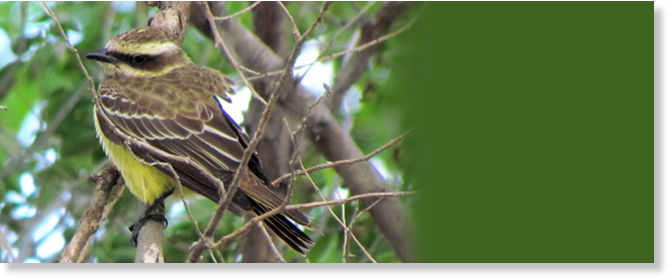
© Kansas Department of Wildlife, Parks and TourismThe piratic flycatcher found in Scott State Park
Chris Lituma, a post-doctoral research associate at the University of Tennessee's Institute of Agriculture, had no idea a fleeting trip to Kansas would result in a monumental discovery. Lituma, according to a media release from the Kansas Department of Wildlife and Parks, was leading a group of students through a multi-state field study, including a stop in Scott City. Friend, and Kansas-native, Mike Hudson, had recommended Scott State Park just north of Scott City to Lituma as a good place to go birdwatching - a hobby of Lituma's for the past 11 years. Upon arrival, Lituma began helping students identify the various birds, but one bird in particular was no ordinary migrant.

"The students asked me 'hey, what's this bird?' and I briefly looked at it and assumed it was a black-headed grosbeak," said Lituma.

Students then looked up the grosbeak in a field guide to find it was not the same bird they were looking at.

"At that point, I took another look at the bird and almost immediately realized this was no grosbeak, this was something very special; something rare.

Comment: What marks out this particular odd migration is the extreme distance involved from its normal range. Other extraordinary movements by birds so far this spring are listed below:

Non-migratory citril finch from mountains of mainland Europe found near beach in Holkham,UK

Another completely lost bird: Slate-throated redstart, resident of humid highland forests, turns up on South Padre Island, Texas

Bizarre bird migration: Little Bustard makes rare visit to Finnish Lapland

Globe-trotting bird ends up in Sutton, New Hampshire

Rare bird from the Americas turns up in Somerset, UK

Great blue heron from North America turns up on the Isles of Scilly, UK

Eurasian shorebird (wader) turns up far inland near Winslow, Indiana

Sea duck that is native to Northern Europe turns up off California coast

A similar pattern of extravagantly lost birds was noticeable during the latter part of last year:

Another completely lost avian species: Couch's Kingbird flies from southern Texas to New York

Warbler that should be wintering in western Mexico turns up in Louisiana

Bean goose from Eurasia takes a wrong turn and winds up on the Oregon Coast

Four lost flamingos fly NORTH for the winter and turn up in Siberia

Wrong place, wrong time: European robin turns up thousands of miles away in China

Rare bird from Mongolia turns up in Wakefield, UK

Wrong time, wrong place: Rare bird found in Barrie, Canada


Question

30 waterbirds found dead on Lake Havasu, Arizona had blunt trauma

Image
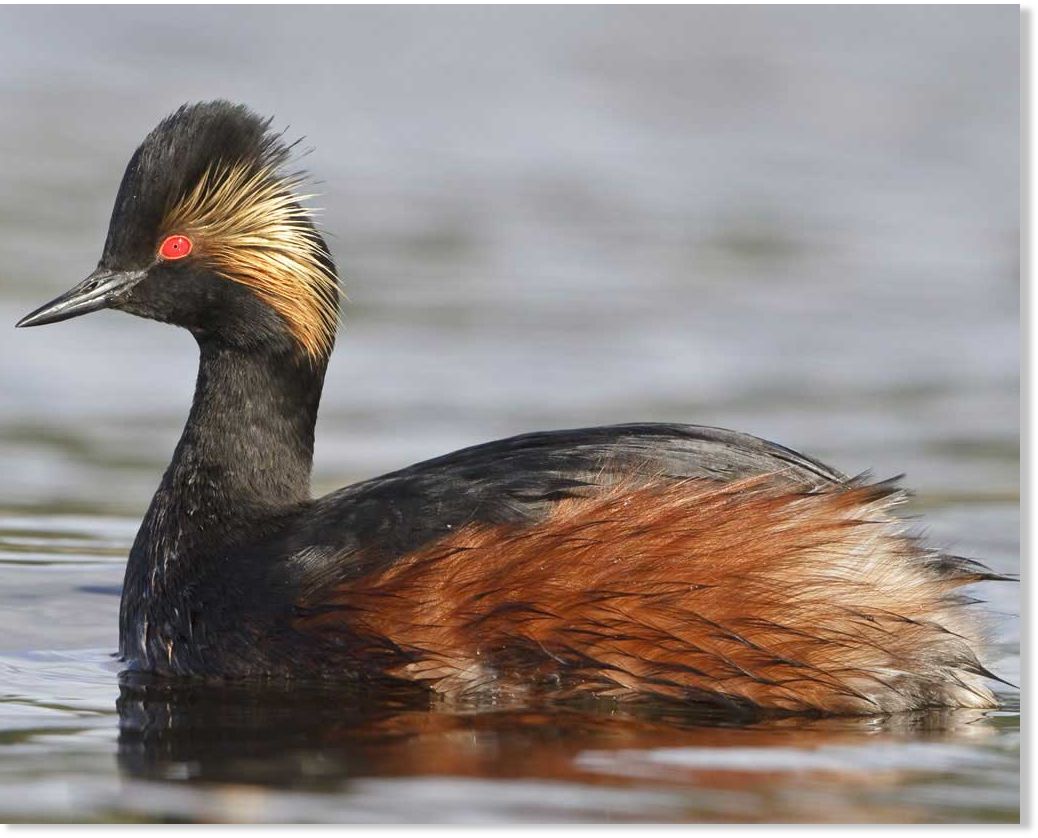
An eared grebe (black-necked grebe)
Birds found dead on Lake Havasu in late-April showed signs of "severe blunt trauma" and have been sent to the National Wildlife Health Center in Wisconsin for further testing, Arizona Game and Fish wildlife biologist Carrington Knox said Tuesday.

A group of more than 30 dead eared grebes were spotted just south of Cattail Cove State Park on April 28 and reported to Game and Fish. Lake Havasu wildlife manager Suzanne Ehret retrieved sample specimens of the grebes and sent them to Game and Fish in Phoenix.

Knox said initial observations of the grebes showed "severe blunt trauma," but the cause of the trauma was unknown. She said grebes aren't "the best fliers" and have been known to fly into power lines or be struck by boats. The testing of the birds is ongoing.

Health

Woman is savaged by an angry beaver in Russia

Image
While beaver attacks are rare, they are not unheard of. A fisherman died while trying to take a picture of a beaver in Belarus in 2013 after the animal bit through an artery in his leg, causing him to bleed to death
A woman in Russia who had her leg ripped open by an angry beaver was saved after a neighbour came running over and stabbed it in the head.

Evgenia Eliseeva, 24, was at home in her village in southwest Russia's Lipetsk region when she went outside to get a better phone signal to call her mum.

But as she started dialling she felt a terrible pain in her leg and looked down to see a large animal had bitten into her calf.

Miss Eliseeva said: 'I was in complete shock and had no idea what it was at first.

'I thought it might have been a dog that had jumped on me. It was quite dark but it seemed to be standing on its tail as it was so tall.

'Then it he got on all fours and charged at me again. Its teeth were in my leg and it was furiously shaking its head from side to side.

'I was screaming like a maniac and this man suddenly appeared out of nowhere and attacked the beaver.'

The woman's rescuer, local man Hleb Yefremov, 54, said: 'I heard the girl scream and saw this giant hairy beast attacking her.

Comment: Other beaver attacks in the recent past: Animals increasingly losing the plot: Vicious beaver attacks snorkeler off Nova Scotia's coast, Canada

Animals losing the plot: Couple attacked by beaver in Watchung Reservation, New Jersey

Beaver mauls man near Rochester: 'It was like watching a horror film'

Paddling family of three attacked by a beaver in Austria

Vicious beaver attacks and kills man in Belarus


Wolf

Police shoot dog following savage attack which left owner's flesh hanging off his arm and leg in Gloucester, UK

Image
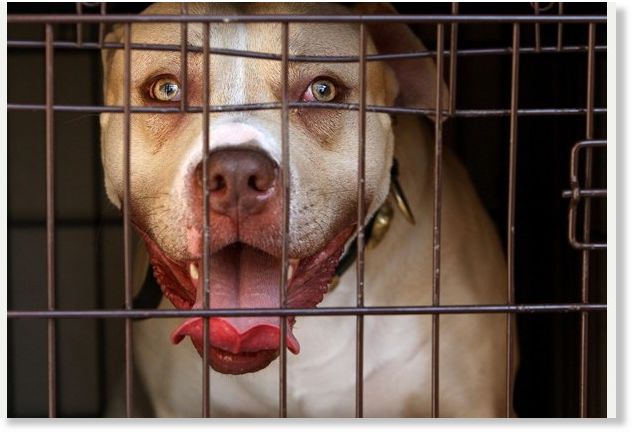
A pit-bull type dog
A dog has been shot by police officers in Gloucester after it attacked its owner so badly he had "flesh hanging from his arm and leg".

A force spokesman said officers contained the animal in a garden in King Edwards Avenue at about 1.50pm.

An attempt to stun the dog using a taser failed and officers were forced to kill it using a shot gun.

The owner, who has been taken to Gloucestershire Royal Hospital for treatment, was attacked by the dog after he attempted to put its collar back on.

Fish

First warm-blooded fish found

Opah/Moonfish
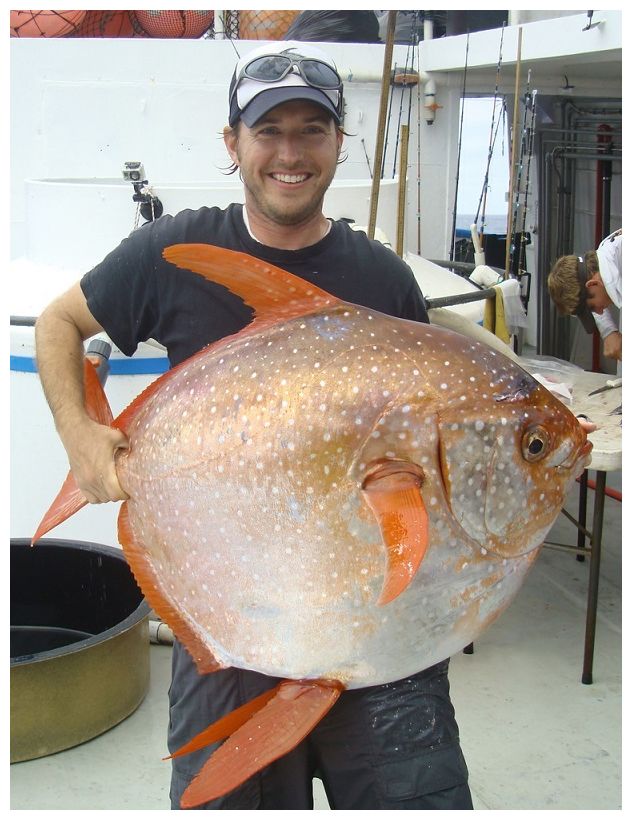
© NOAA Fisheries, Southwest Fisheries Science CenterSouthwest Fisheries Science Center biologist Nick Wegner holds a captured opah, the first-ever warm-blooded fish..
The car-tire-size opah is striking enough thanks to its rotund, silver body. But now, researchers have discovered something surprising about this deep-sea dweller: It's got warm blood.

That makes the opah (Lampris guttatus) the first warm-blooded fish every discovered. Most fish are exotherms, meaning they require heat from the environment to stay toasty. The opah, as an endotherm, keeps its own temperature elevated even as it dives to chilly depths of 1,300 feet (396 meters) in temperate and tropical oceans around the world.

"Increased temperature speeds up physiological processes within the body," study leader Nicholas Wegner, a biologist at the National Oceanic and Atmospheric Administration (NOAA) Fisheries' Southwest Fisheries Science Center in La Jolla, California told Live Science. "As a result, the muscles can contract faster, the temporal resolution of the eye is increased, and neurological transmissions are sped up. This results in faster swimming speeds, better vision and faster response times."

The result, Wegner said, is a fast-swimming fish with an advantage for hunting slow, cold-blooded prey. [See Photos of the Gigantic Warm-Blooded Opah (Moonfish)]