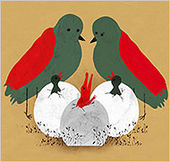
© Gracia Lam
"I don't know what I've done wrong," the patient told me.
She was an intelligent and articulate woman in her early 40s who came to see me for depression and anxiety. In discussing the stresses she faced, it was clear that her teenage son had been front and center for many years.
When he was growing up, she explained, he fought frequently with other children, had few close friends, and had a reputation for being mean. She always hoped he would change, but now that he was almost 17, she had a sinking feeling.
I asked her what she meant by mean. "I hate to admit it, but he is unkind and unsympathetic to people," she said, as I recall. He was rude and defiant at home, and often verbally abusive to family members.
Along the way, she had him evaluated by many child psychiatrists, with several extensive neuropsychological tests. The results were always the same: he tested in the intellectually superior range, with no evidence of any learning disability or mental illness. Naturally, she wondered if she and her husband were somehow remiss as parents.
Comment: Psychologist Robert Hare is devoted to the study of psychopathy. His research may upset a lot of people because until the psychopath came into focus, it was possible to believe that bad people were just good people with bad parents or childhood trauma. But Hare's research suggested that some people behaved badly even when there had been no early trauma nor bad parenting. Moreover, since psychopaths' brains are in fundamental ways different from ours, talking them into being like us might not be easy. Indeed, to this day, no one has found a way to do so. More information at hare.org.
For further discussions on this topic, please visit our
forum.








Comment: More about pandemics here.