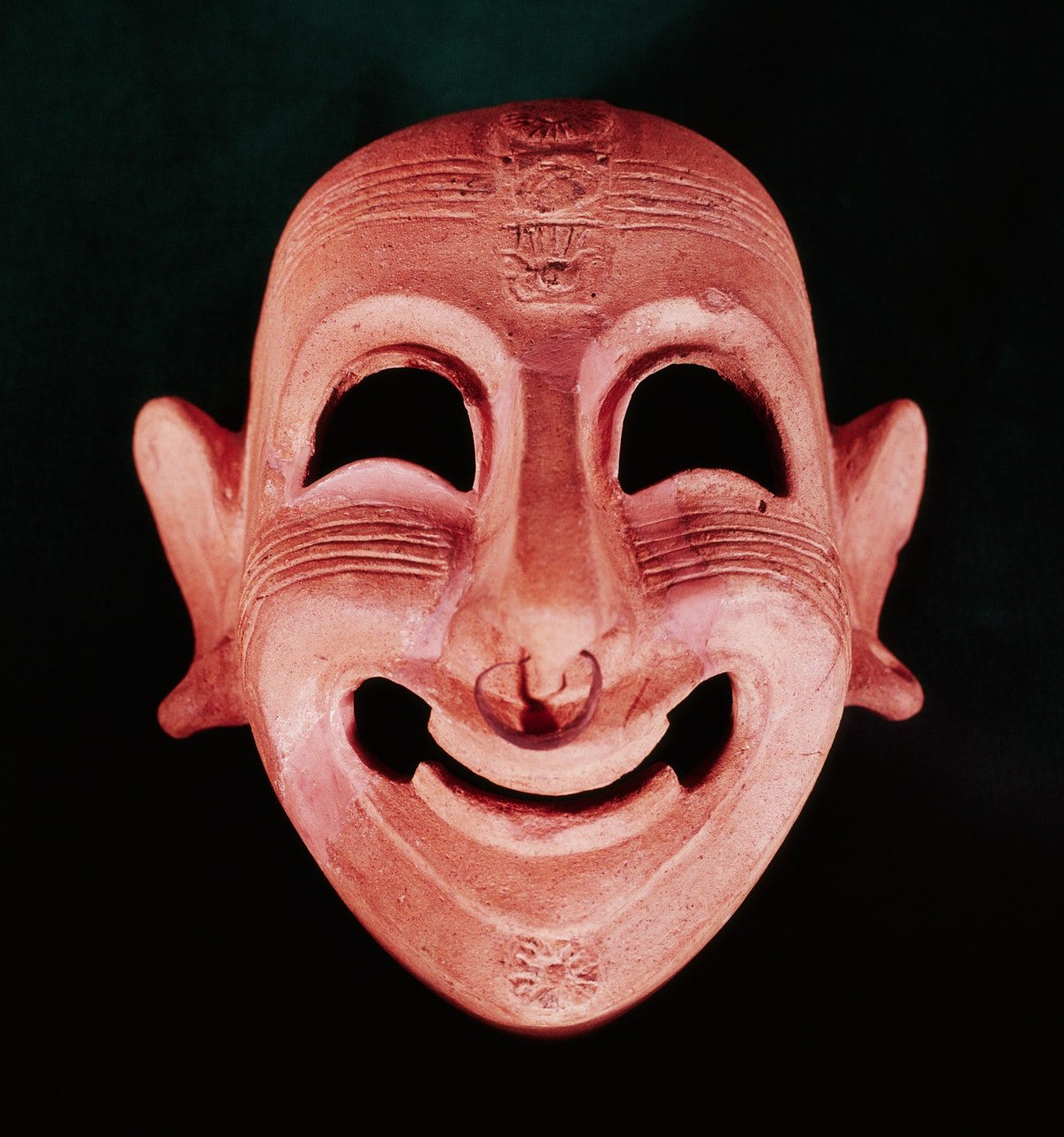
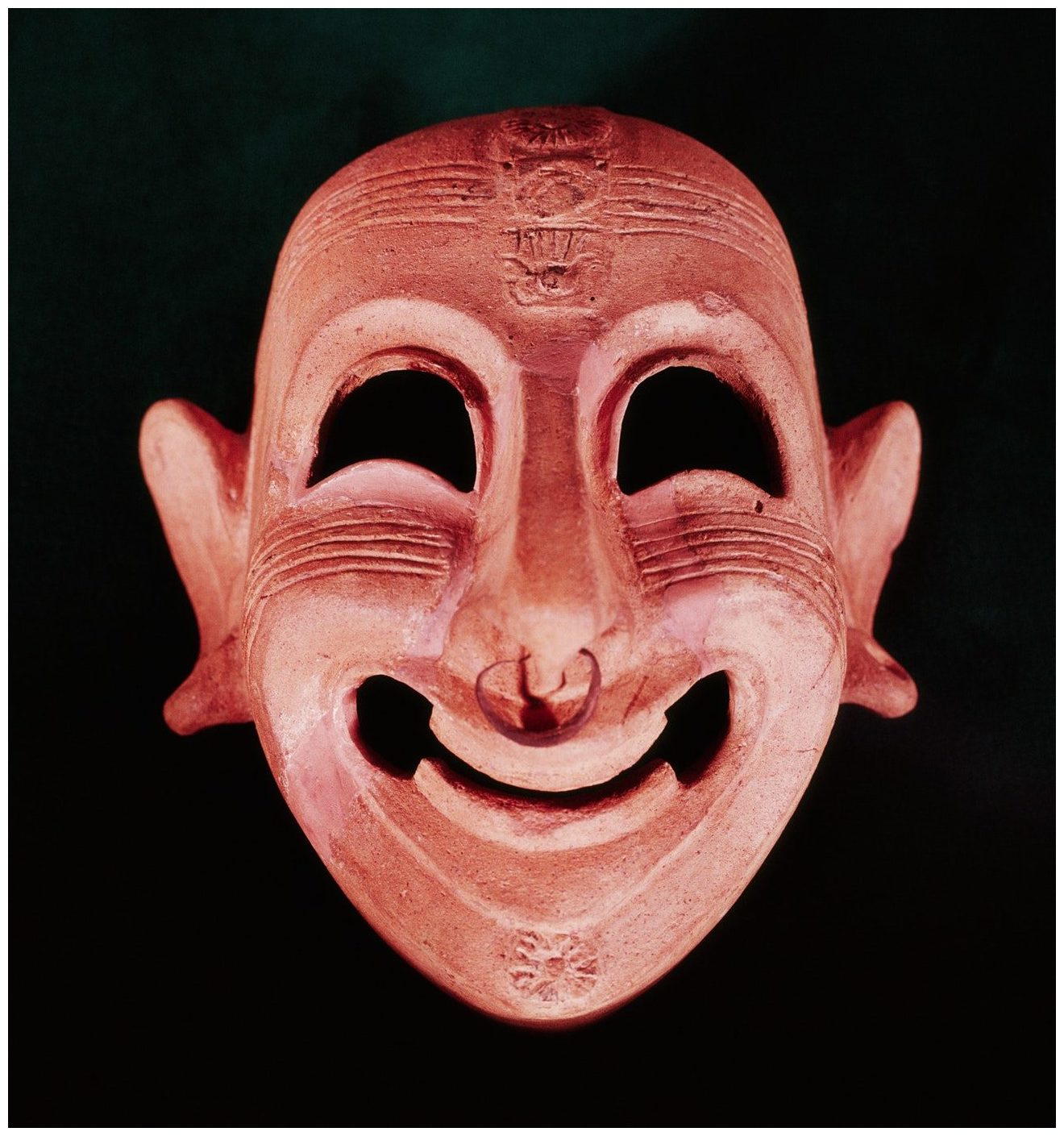
© David Lees/Corbis/VCG via Getty ImagesA Phoenician mask, discovered on the island of Sardinia.
The ancient Phoenician civilisation that spread around much of the Mediterranean basin during the first millennium BCE was inclusive, multicultural and featured significant female mobility, according to a new study of mitochondrial DNA.
The Phoenicians - the name derives from a description of them by the Greeks - arose in the eastern Mediterranean and inhabited what are now the coastlines of Lebanon, Israel, Gaza, Syria and southwest Turkey, before spreading along the northern coast of Africa as far as the Atlantic, notably founding Carthage in the process. They also settled in southern Spain, Sicily, and Sardinia.
A sophisticated people, they developed a distinctive alphabet derived from Ancient Egyptian hieroglyphs, which in turn was adapted and assimilated into the written forms of many other cultures, notably Greek. Despite their literacy, however, most of what is known about them comes from Greek and Egyptian descriptions.
Although the name "Phoenicians" is ultimately a Greek derivation of the Egyptian word for "Syrians", it had an apt double-meaning, acknowledged at the time. "Phoenician" is almost a homophone for another Greek word meaning "purple" - appropriate because the Phoenicians pretty much controlled the trade in valuable purple dye throughout the classical world.












Comment: