
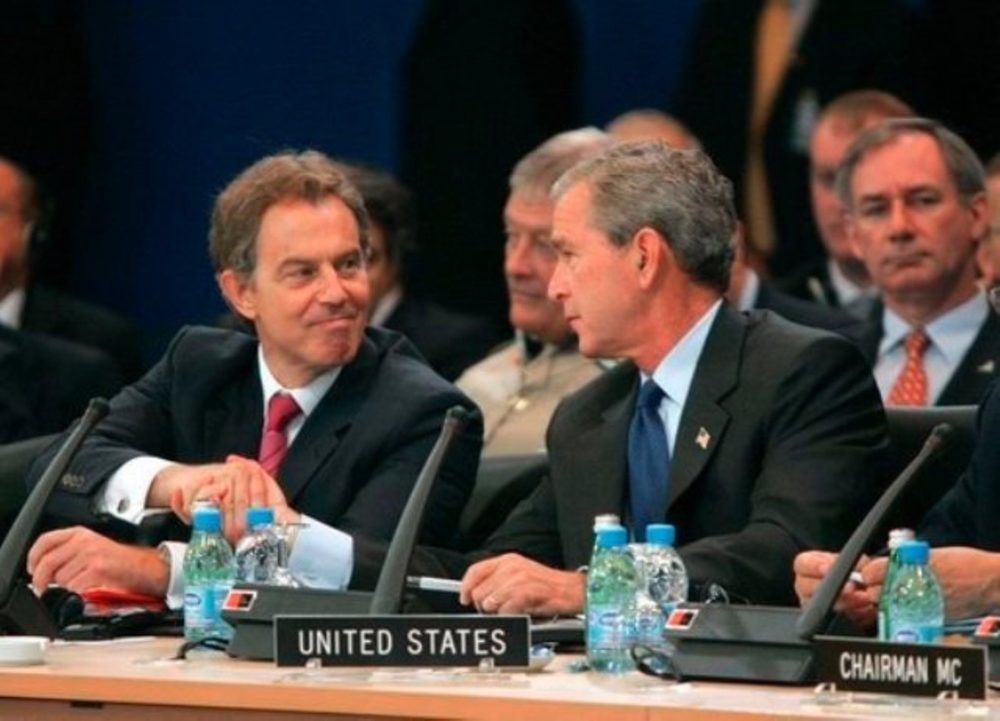
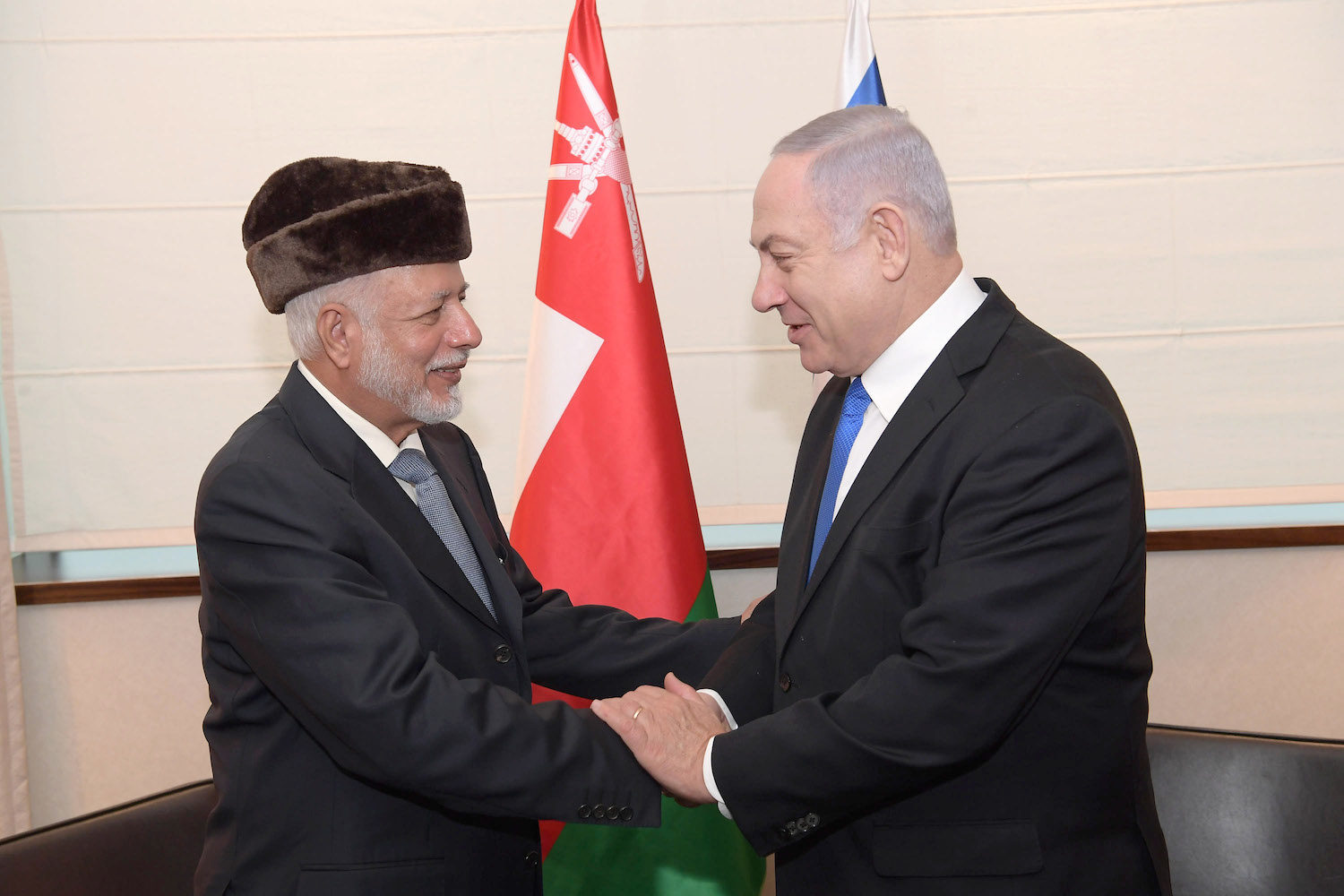
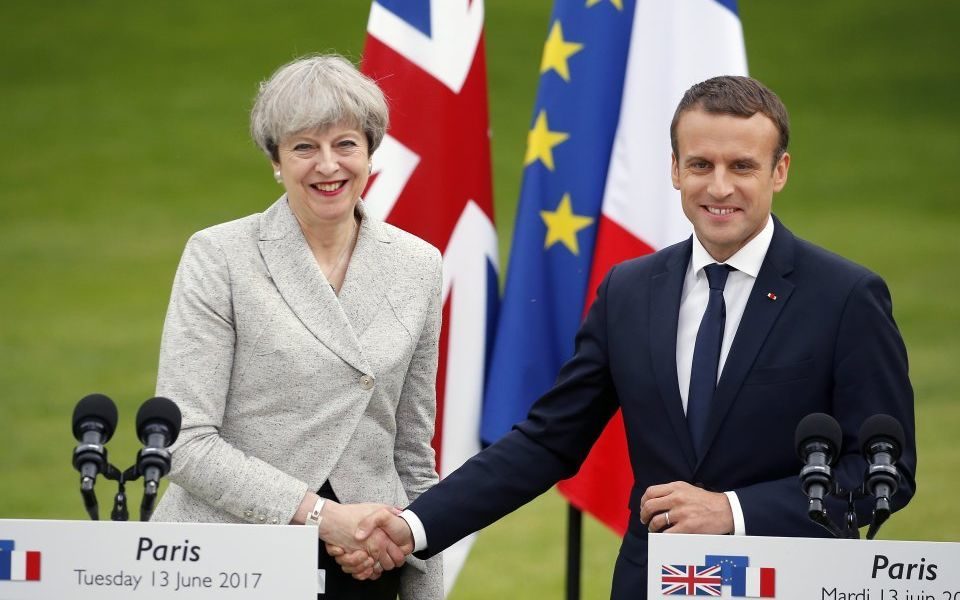
Minutes after the Coalition Provisional Authority transferred authority to Iraq's interim government, President George W. Bush and British Prime Minister Tony Blair shake hands during a work session at the NATO Summit in Istanbul, Turkey, Monday, June 28, 2004.
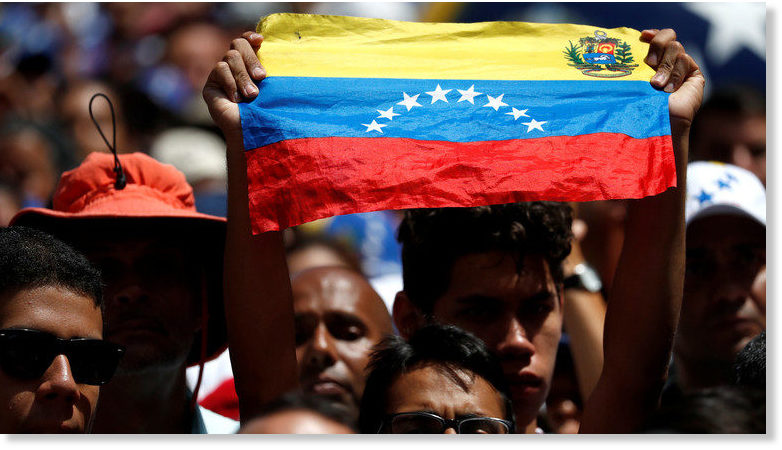
The Canary spoke to activist journalists Mike Prysner and Fiona Edwards about the parallels between the lead-up to the invasion of Iraq and current events in Venezuela. Prysner was 19 years old when he was deployed to Iraq in March 2003. He is now an anti-war activist, producer and writer for The Empire Files, and co-host of the Eyes Left podcast. Edwards, meanwhile, is a national officer of Stop the War coalition (a central organising force against the Iraq invasion) and a writer on Latin America.










Comment: See also: