They were writing in the Journal of the American Medical Association in the wake of 9/11 and the subsequent anthrax attacks in New York. Since then, fear of viruses raining out of US skies has diminished - and so has any sense of urgency over the development of vaccines or treatment for a disease that manifests itself in unpredictable outbreaks and kills relatively small numbers of people in remote parts of Africa.
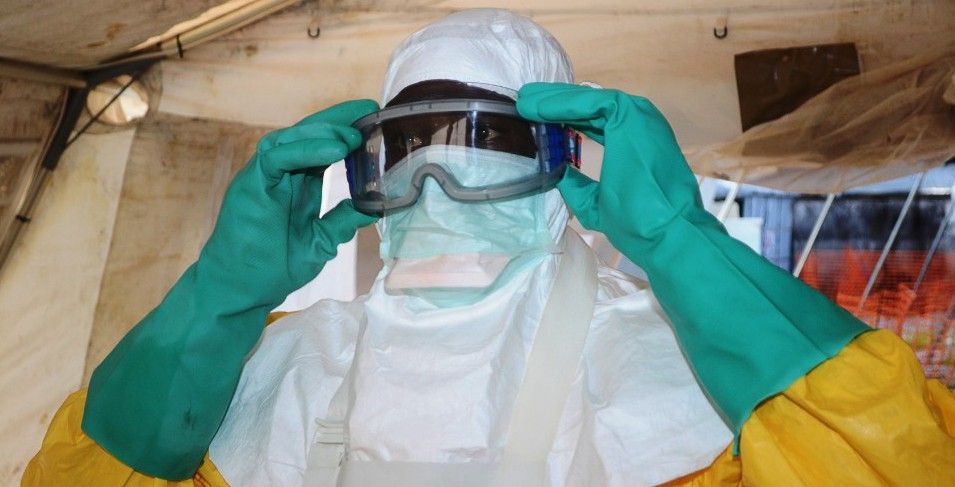
Neglected tropical diseases, of which Ebola is one, become visible in the west only when they appear to threaten it. Ebola has had more attention than many, probably because of the dramatic nature of the disease and the need for full body suits and face masks for those caring for its victims. The names of other such diseases - the parasitic leishmaniasis and lymphatic filariasis, for example - hardly trip off the tongue in London or San Francisco.
Yet Ebola is not a priority for the not-for-profit Drugs for Neglected Diseases Initiative, which works with the World Health Organisation and others to incentivise and encourage pharmaceutical companies to research and develop treatments. It affects far fewer people than parasitic diseases, and the outbreaks, although appalling, are sporadic.


Comment: The truth is that no drugs or vaccines are being developed that will help in the current epidemic. And, considering that independent studies have shown that vaccines often cause the diseases they were designed to prevent, a far safer course of action would be to improve one's overall health by having a strong immune system. Following a ketogenic diet is one of the best ways to prevent disease.
Polish study: No historical benefit in vaccines
Historical Data Shows Vaccines are Not what Saved Us
If you think your kid's vaccines are safe, don't watch this!
Vaccines: Crossing Immunological Boundaries
The Ketogenic Diet - An Overview
Solve Your Health Issues with a Ketogenic Diet
Ketogenic Diet (high-fat, low-carb) Has Neuroprotective and Disease-modifying Effects