Storms
S


Windsock

Red sand storm sweeps across Libyan city

Libya sandstoorm
© ritajfawzi / Instagram
The port city of Tobruk on Libya's eastern Mediterranean coast near Egypt has turned red, as a dust storm has smothered the area, according to reports on social media.

Social media users have posted images of the spectacular sight online:


Bizarro Earth

Possible 'meteotsunami' occurred in Southwest Florida

Meteotsunami
© NOAA/NOS/CO-OPS
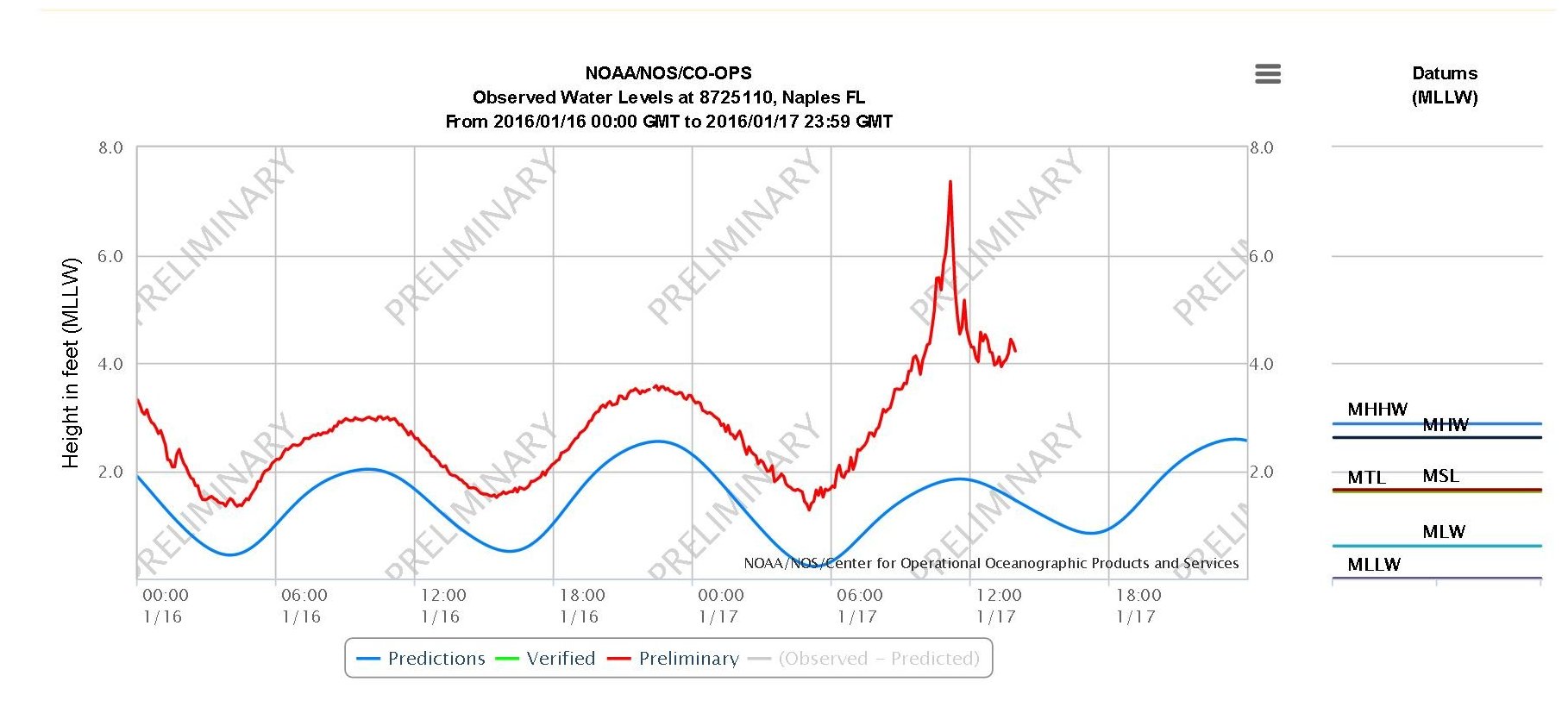
According to the National Weather Service, a "meteotsunami" may have occurred early this morning in Naples as the powerful, tornado warned storm that brought widespread damage to the area moved onshore.

Water levels rose sharply in the Naples area as the severe thunderstorm moved in, packing wind gusts over 80 miles per hour.

A meteotsunami, according to the NWS is caused by air pressure disturbances often associated with fast moving weather systems, such as squall lines.

These disturbances can generate waves in the ocean that travel at the same speed as the overhead weather system.

Such a squall line moved through Southwest Florida this morning. Its arrival at high tide led to widespread coastal flooding up and down the coastline as the strong thunderstorm winds helped drive the water onshore.

However what happened in Naples appears to be more than standard coastal flooding during a high wind event. As the water level readings show below, the water levels rose sharply at the moment the storms moved inland, reaching a height of over 7 feet, nearly 6 feet higher than a normal high tide. From there, continued spikes and falls were observed--signs of continued wave action in response to the initial wave's passage.

According to NWS, while uncommon, meteotsunamis are well documented and occur a few times a year in Florida.

Cloud Precipitation

Waterfalls cascade off iconic Ayers Rock in Australia after heavy rainfall

Rainfall over Uluru
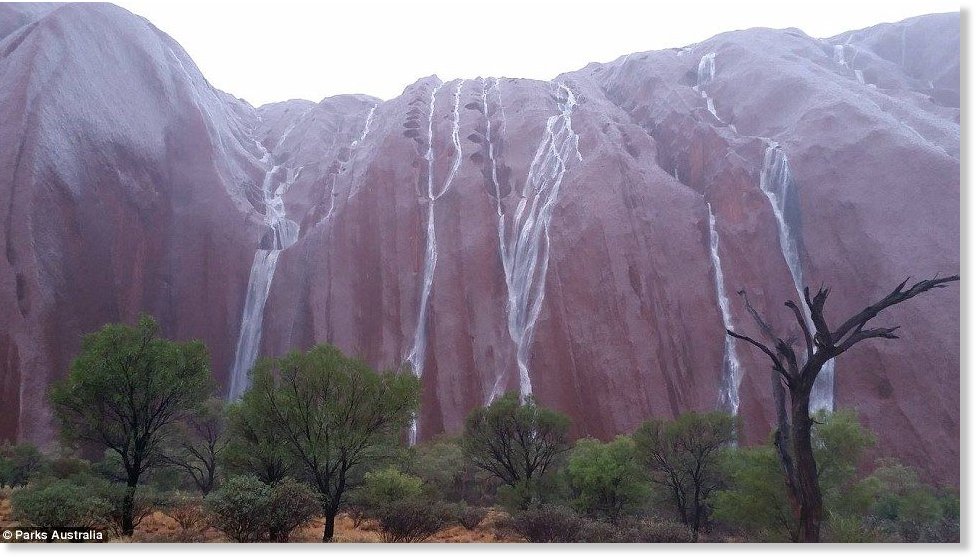
Rainfall over Uluru (pictured) at Uluru-Kata Tjuta National Park in central Australia has given travellers a rare and spectacular sight
Rainfall over Uluru at Uluru-Kata Tjuta National Park in central Australia has given travellers a rare and spectacular sight.

Australia's iconic red rock, also known as Ayers Rock took on a different form this week as it became a waterfall for cascading rains which have been falling constantly since Monday, bringing a cool change to the area.

'The photos are just spectacular. When we get rain at Uluru it cools everything down and wakes everything up. It brings the place to life,' said Kerrie Bennison, acting manager at the national park.

Rain on the rock!- Australia’s iconic red rock
Rain on the rock!- Australia’s iconic red rock took on a different form this week as it became a waterfall for cascading rains which have been falling constantly since Monday, bringing a cool change to the area
She said most people come to see the sunrises and sunsets but rain running off the rock generates great interest.

It's a stunning sight that most visitors to Uluru will never get a chance to witness.

'I've been at the park for eight years. You don't see this sight very often, only a couple of times a year if you're lucky,' said Ms Bennison.


Bizarro Earth

Rare winter hurricane Alex forms in the Atlantic

Hurricane Alex
© NOAA
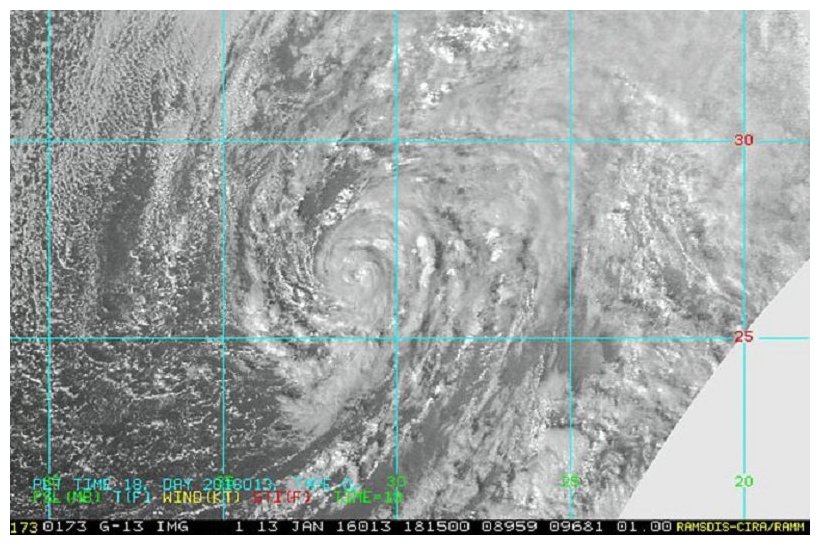
January was already shaping up to be a weird month, what with a hurricane out in the Pacific, but it just got weirder: Say hello to Hurricane Alex, a rare January storm in the Atlantic and the first storm of the 2016 Atlantic hurricane season.

A season that doesn't officially begin until June 1.

Alex is the first such storm to form in January since 1978 and only the fourth January storm formation on record going back to 1851. The climatological average first date for the first named storm in a season is July 9.

While it's decidedly not hurricane season, the official June 1-Nov. 30 dates of that season are artificial ones, chosen because they encompass the bulk of tropical cyclone activity. But when conditions are right, storms can, and do, form outside of those bounds.

Alex formed from a system that first developed in the warm waters off the east coast of Florida last week and has tracked eastward across the ocean, gradually becoming stronger and more organized.

Comment: See also: Hurricane Pali sets Pacific record


Cloud Precipitation

Heavy flooding in Mozambique and Malawi; tens of thousands displaced

Floods Malawi
Flooding in Malawi
A major highway in Mozambique has split after two bridges collapsed as a result of heavy flooding that has killed 25 people and displaces tens of thousands in the country, officials say.

Parts of the country are also without electricity after torrential rains knocked down 10 pylons, reports say.

Heavy rains have also devastated neighbouring Malawi, where 48 have been killed about 70,000 have been homeless.

The southern African states have been hit by late summer storms.

The bad weather is expected to continue for several days.

Tornado1

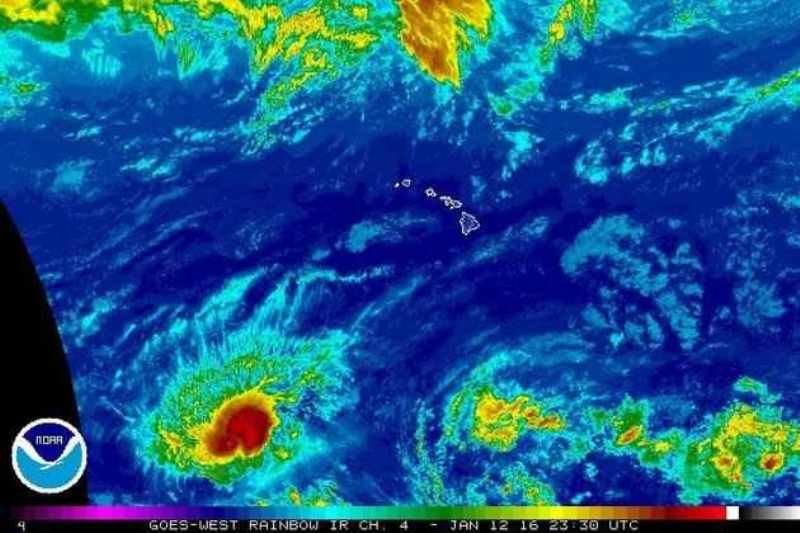
Hurricane Pali sets Pacific record

hurricane Pali
© NOAA/National Weather Service

The earliest forming Central Pacific hurricane this year could be the first to cross the equator this season


If you were looking for a location that defined the term 'the middle of nowhere', Johnston Atoll would have a strong claim.

This uninhabited island lies 1,390 kilometres southwest of the Hawaiian Islands, themselves lying in a remote part of the Pacific.

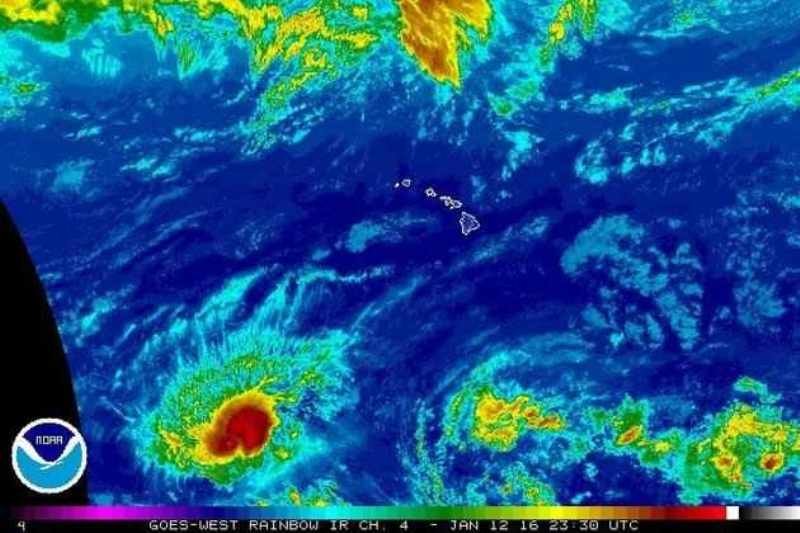
Johnston Atoll is mentioned here because it is the closest island to what has already become a noteworthy cyclone, Hurricane Pali.

Pali is currently a Category 2 storm (on the five-point Saffir-Simpson scale), with sustained winds of 157 kilometres an hour and gusts of 195km/h.

It is unlikely to affect any inhabited islands in this part of the Pacific, and can truly be described as a 'fish storm'.

Nevertheless, Pali has already gone down in history: On Monday, it became the earliest-forming hurricane in either the Central or Northeastern Pacific - the area between the International Dateline and the Americas.

This is 19 days earlier than the previous record holder, Ekeka in 1992. These two cyclones are the only ones to have formed in this region before May.

Cloud Precipitation

Heavy rainfall brings floods to Sri Lanka and the Maldives

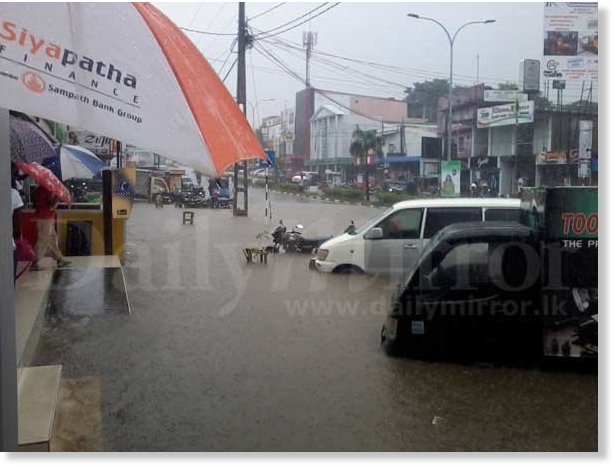
Ampara town flooded
© Wasantha ChandrapalaAmpara town flooded due to heavy rains
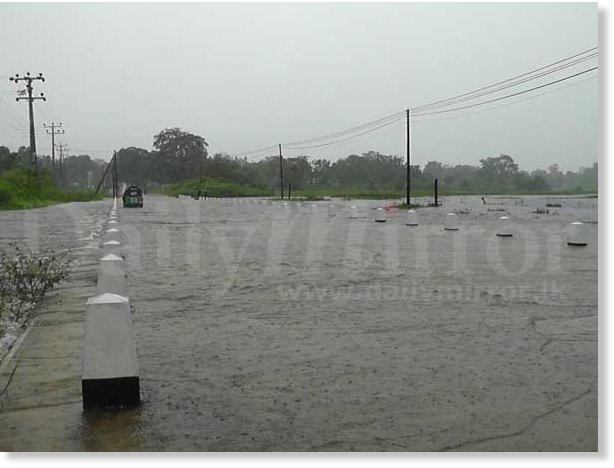
Heavy rain and storms last week in Sri Lanka have left at least 1 person dead and around 200 homeless.

Meanwhile flooding yesterday in the Maldives has left half of the island of Nadellaa under water, according to a local political leader.

Sri Lanka

The Disaster Management Centre of Sri Lanka (DMCSL), part of the Ministry of Disaster Management, has reported that severe weather, including strong winds and heavy rainfall between 05 and 07 January, has caused flooding, storm damage and landslides in several provinces of the country.

In Eastern province, flooding in on 07 January 2015 in Trincomalee district, affected over 8,000 people, destroying 4 houses and partially damaging a further 51. The municipalities of Gomarankadawala, Kinniya, Kanthale and Thambalagamuwa were all affected, with Kanthale and Thambalagamuwa the worst hit. Around 13 people were displaced in Kanthale.

Local media also reported some flooding in Ampara town, Eastern province, where some roads were blocked as a result.

Floods Sri Lanka
© Wasantha ChandrapalaFloods Sri Lanka

Cloud Precipitation

Wettest year's end in a century for the U.S. predicts woes for 2016 crops

Damaged crops
In the final two months of 2015, U.S. farmland got the most rain since 1895, a sign that national corn and soybean yields will shrink in 2016 as the strongest El Nino on record ebbs, T-storm Weather says.

Since 1960, there have been nine wet finishes to a year that were followed six times in the next season by reduced yields. In five of those instances — 1974, 1983, 1988, 1993 and 2012 — corn yields were 15 to 33 bushels an acre below the trend since 1960, said Mike Tannura, the president of Chicago-based T-storm. In four of those years, soybean yields were 3 to 7 bushels smaller.

From September to December, average temperatures were the second-highest ever, and the weakening El Nino signals that the weather in July and August will be hotter than average, if history is any guide, Tannura said. Global inventories of corn and soybeans will rise to records before this year's harvests following a run of bumper crops, the U.S. government forecasts.

In 2015, prices of the grain and oilseed fell for the third straight year. In 2012, futures in Chicago surged to records after a Midwest drought ravaged fields.

Tornado2

Buildings damaged by 'tornado' in Maidenhead, UK

Maidenhead tornado damage
© Chanellina Daniella
Homes in Maidenhead have been left damaged by what eyewitnesses described as a "tornado".

Residents described hearing loud crashing noises and strong winds at about 02:30 GMT.

Wessex Primary School has reported damage including a hole in the roof, dislodged canopies and solar panels upended.

The Met Office said it could not "confirm or deny" reports of a tornado.


Comment: Other incidents of 'rare' UK tornadoes in the past year include those in: West Sussex, Northampton, Somerset, Newport, Northern Ireland and Wales.

Just a small selection of other 'rare' tornadoes from around the world in recent months, include those from the United States, Northern Ireland, England, Australia, Hawaii and India.

See also: SOTT Earth Changes Summary - December 2015: Extreme Weather, Planetary Upheaval, Meteor Fireballs


Red Flag

Massive wave crashes down on 100 people near Sydney, Australia

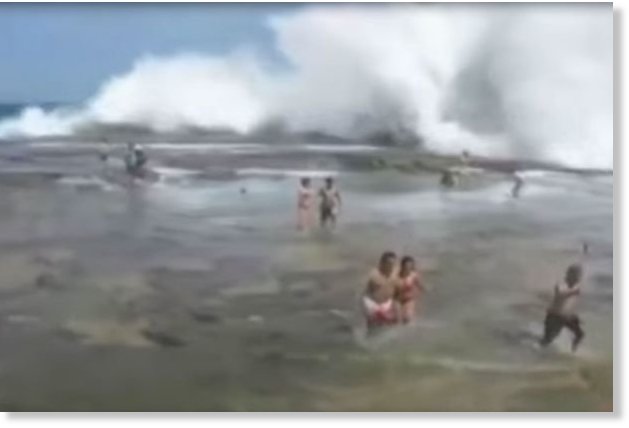
This is the amazing moment a couple appear to kiss on a Sydney beach, just moments before the entire beach is overwhelmed by a huge wave.

Giant wave
© Youtube/myGCnewsIncoming: The terrifying wave can be seen hitting a rockpool off the coast of Sydney
The rogue wave hit the beach at Sydney's Royal National Park, leaving some people with serious injuries.

As other beach-goers and swimmers are running away from the water and to safety, the couple apparently pause to kiss before being pushed apart by the crashing water.

The man filming the scenario can be heard screaming: "Get out!"