Health & WellnessS


Magnify

Bisphenol A Has Not Gone Away

Image
© Getty Images
Most readers of NaturalNews are well aware of the health concerns around bisphenol A (BPA). Most parents know that everything their baby comes in contact with should be BPA-free. BPA has been linked to heart disease, sexual dysfunction, and more.[1] Yet despite all of this, as well as concerns from the FDA, the chemical can be found everywhere - usually in places you don't suspect.

Even with all of the reasons to be worried about what BPA could be (or is known to be) doing to us, however, it is still all over the food supply world-wide, including here in the U.S. This is evidenced by the recent study which was also highlighted here at NaturalNews where 90% of cord blood from babies was found to contain BPA.[2]

What most people are unaware of is that BPA is still widely used in the food industry. If you consume anything in a can (soda, canned foods, etc.) or anything in polycarbonate plastic containers (not labeled as BPA-free), or if you regularly microwave those plastic containers, put them in the dishwasher at high temperatures, or put hot foods directly into them after cooking,... you are being exposed to BPA.

Magnify

Protect Your Pet: Common Pet Poisons in People Food and Plants

Image
© iStockphoto
We all love our pets, whether they are cats, dogs, birds, or all of the above. There are foods that might be considered fine for you and your family, but are definitely not for your four-legged friends. Many of these are commonly understood to be bad, but some are not so obvious. Let's look at human foods that might be all right for you to eat, but definitely aren't good for the critters in your household.[1]

Chocolate

Chocolate and foods related to the cacao bean, such as coffee, contain what's called methylxanthines. These are part of the "caffeine kick" that these foods provide, but they can cause severe digestive and diuretic problems for your pets.

Alcohol

While many might enjoy a glass of vino occasionally, almost all alcoholic beverages are not good for your pets. All the symptoms of a Saturday night frat party will appear in your pet, but aren't funny at all. In fact, they can be deadly.

Magnify

New Hope for Multiple Sclerosis Patients from UV Light from the Sun (Beyond Vitamin D)

Image
© NaturalNews
It's not a new idea that multiple sclerosis (MS) is somehow tied to sunlight -- or, rather, the lack of adequate exposure to sunlight. For more than three decades, researchers have noted that MS is much more common in higher latitudes than in the tropics. So, because bright sunlight is more abundant near the equator and sunlight exposure results in the body producing vitamin D, some scientists have reasoned that increased vitamin D levels may lower the risk of MS.

In fact, for those who already have MS, a neurological disease marked by a deterioration in nerves' electrical conduction, vitamin D may reduce their symptoms, according to Hector DeLuca, the Steenbock Research Professor of Biochemistry at University of Wisconsin-Madison. However, in a study just published in the Proceedings of the National Academy of Science (PNAS), DeLuca and fellow researcher Bryan Becklund conclude the ultraviolet (UV) portion of sunlight could play an even more important role than vitamin D in preventing and/or controlling the MS.

"Since the 1970s, a lot of people have believed that sunlight worked through vitamin D to reduce MS," DeLuca, one of the world's top vitamin D researchers, said in a statement to the media. "It's true that large doses of the active form of vitamin D can block the disease in the animal model. That causes an unacceptably high level of calcium in the blood, but we know that people at the equator don't have this high blood calcium, even though they have a low incidence of MS. So it seems that something other than vitamin D could explain this geographic relationship."


Cheeseburger

Flashback Nanotechnology - the new threat to food

Image
Following on from genetic engineering, nanotechnology represents the latest high technology attempt to infiltrate our food supply. Senior scientists have warned that nanotechnology, the manipulation of matter at the scale of atoms and molecules, introduces serious new risks to human and environmental health. Yet in the absence of public debate, or oversight from regulators, unlabelled foods manufactured using nanotechnology have begun to appear on our supermarket shelves.

Around the world there is an increase in interest in our food, health and environment. Where are products produced, how, why, by whom, how far have they travelled, how long have they been stored etc. The organic and local food movements have emerged as an intuitive and practical response to the increasing use of chemicals in food production, and to the growing alienation of industrial agribusiness from holistic agricultural systems. People have chosen to eat organic foods because they care about the health of their families and the health of the environment. Organic agriculture also enables people to support integrated, environmentally friendly agriculture, and appropriate technology, rather than chemical-intensive factory farming.

Health

Seasonal Flu Vaccines Increase Risk of Pandemic H1N1 Flu, Stunned Scientists Discover

Image
© NaturalNews
I remember the H1N1 "swine flu" season of 2009 very well. People were rushing out to get vaccinated, scared half to death by the mainstream media which was pushing false reports that the swine flu would kill tens of millions of people and that only a vaccine could save you. The CDC and health authorities were pushing a double-barreled vaccine strategy that demanded people get both a seasonal flu shot as well as an H1N1 pandemic flu shot. Those who questioned the sensibility of vaccines for fighting the flu were attacked as "baby killers" for not kow-towing to the vaccine mythology that drives Big Pharma's profits to record profits nearly every flu season.

I specifically remember writing an article here on NaturalNews, warning people that taking a seasonal flu shot actually weakened your immune system and made you more susceptible to H1N1 swine flu.

This suggestion earned me a highly accusatory email from a CDC employee who suggested that warning people to avoid the swine flu vaccine shot was equivalent to "an act of terrorism" and that all those who questioned vaccines should be arrested and stopped from writing anything on the internet ever again.

(Hilarious, isn't it, how deeply the vaccine mythology drives these vaccine-pushing nut jobs?)

Attention

Mouth Breathing Can Cause Major Health Problems

Mouth Breathing
© Unknown
Dentists May Be First to Diagnose Patients Who Mouth Breathe

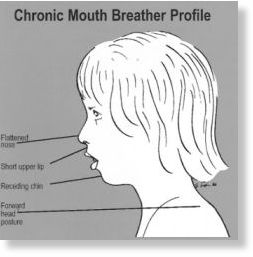
For some, the phrase "spring is in the air" is quite literal. When the winter snow melts and flowers bloom, pollen and other materials can wreak havoc on those suffering from seasonal allergies, usually causing a habit called "mouth breathing." The physical, medical and social problems associated with mouth breathing are not recognized by most health care professionals, according to a study published in the January/February 2010 issue of General Dentistry, the peer-reviewed clinical journal of the Academy of General Dentistry (AGD). Dentists typically request that their patients return every six months, which means that some people see their dentist more frequently than they see their physician. As a result, dentists may be the first to identify the symptoms of mouth breathing. And, because dentists understand the problems associated with mouth breathing, they can help prevent the adverse effects.

People

People Power! US: Pay now, eat later. More consumers are investing in shares of produce from central Ohio fields

Fresh farm produce
© Unknown
The hottest shares these days aren't associated with the stock market, and they don't promise cash returns. Instead, people are investing in farms that participate in "community-supported agriculture" -- with the payback in produce. Locavores and farm-market aficionados are flocking to buy memberships, or shares, in return for weekly deliveries.

For farmers and consumers, the situation is win-win but not without risks.

Magnify

This Is Your Brain on Cryptococcus: Pathogenic Fungus Loves Your Brain Sugar

Image
© Wikimedia CommonsCryptococcus
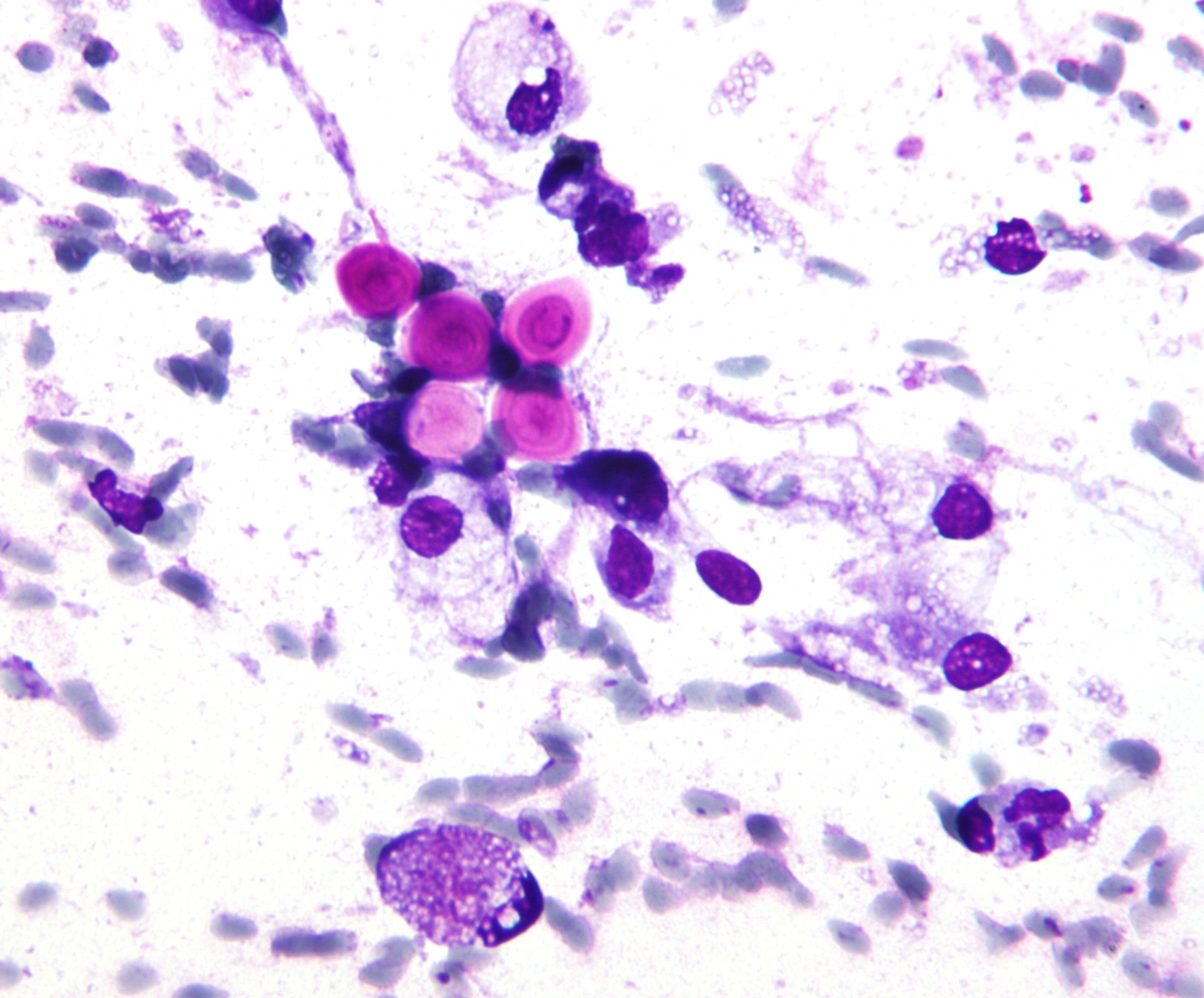
Highly dangerous Cryptococcus fungi love sugar and will consume it anywhere because it helps them reproduce. In particular, they thrive on a sugar called inositol which is abundant in the human brain and spinal cord.

To borrow inositol from a person's brain, the fungi have an expanded set of genes that encode for sugar transporter molecules. While a typical fungus has just two such genes, Cryptococcus have almost a dozen, according to Joseph Heitman, M.D., Ph.D., chairman of the Duke Department of Molecular Genetics and Microbiology.

"Inositol is abundant in the human brain and in the fluid that bathes it (cerebral spinal fluid), which may be why this fungus has a predilection to infect the brain and cause meningitis," Heitman said. "It has the machinery to efficiently move sugar molecules inside of its cells and thrive."

Magnify

Psychiatrists Say That Being Angry is a Mental Illness

Image
© Pamela Davis KivelsonVery Angry
Proposed updates to the Diagnostic and Statistical Manual of Mental Disorders (DSM) are prompting many to question whether or not the psychiatric profession itself has gone crazy. The latest additions to the alleged "mentally ill" could include hoarders, people who get angry every now and again, lazy people, and even those who get outraged over things like sex and violence on television.

Since its first publication back in 1952, the DSM has grown exponentially larger with each subsequent edition. Many people are lambasting the American Psychiatric Association (APA) for trying to establish virtually all behavior as some sort of mental disorder that should be treated with psychiatric drugs.

"For this latest revision they've set up a special task force to decide if behaviors like bitterness, extreme shopping or overuse of the internet should be included," explained Professor Christopher Lane to a reporter from the the U.K.'s Daily Mail. "The science underlying all this is very shaky to non-existent."

Magnify

Shyness is All in Your Brain, Study Says

Image
© ParcPhotographyShyness
Introverted individuals may process the world a bit differently, study finds

The brains of shy or introverted individuals might actually process the world differently than their more extroverted counterparts, a new study suggests.

About 20 percent of people are born with a personality trait called sensory perception sensitivity that can manifest itself as the tendency to be inhibited, or even neuroticism. The trait can be seen in some children who are "slow to warm up" in a situation but eventually join in, need little punishment, cry easily, ask unusual questions or have especially deep thoughts, the study researchers say.

The new results show that these highly sensitive individuals also pay more attention to detail, and have more activity in certain regions of their brains when trying to process visual information than those who are not classified as highly sensitive.

The study was conducted by researchers at Stony Brook University in New York, and Southwest University and the Chinese Academy of Sciences, both in China. The results were published March 4 in the journal Social Cognitive and Affective Neuroscience.

Individuals with this highly sensitive trait prefer to take longer to make decisions, are more conscientious, need more time to themselves in order to reflect, and are more easily bored with small talk, research suggests.