
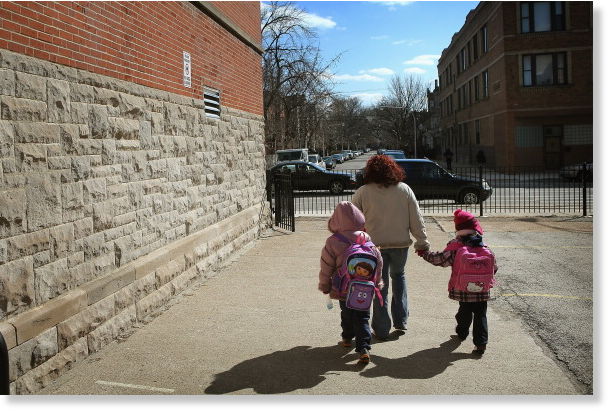
The Southern Education Foundation reports that 51 percent of students in pre-kindergarten through 12th grade were eligible under the federal program for free and reduced-price lunches in the 2012-2013 school year. The lunch program is a rough proxy for poverty, but the explosion in the number of needy children in the nation's public classrooms is a recent phenomenon that has been gaining attention among educators, public officials and researchers.
"We've all known this was the trend, that we would get to a majority, but it's here sooner rather than later," said Michael A. Rebell, the executive director of the Campaign for Educational Equity at Columbia University, noting that the poverty rate has been increasing even as the economy has improved. "A lot of people at the top are doing much better, but the people at the bottom are not doing better at all. Those are the people who have the most children and send their children to public school."
Comment: Yes, the rich are getting richer and poor are getting poorer. It has been that way for a long time in the United States. It's a system that rewards the greedy, psychopathic individuals and those with a conscience get left behind. One wonders why so many other countries wish to emulate the U.S.
The shift to a majority-poor student population means that in public schools, more than half of the children start kindergarten already trailing their more privileged peers and rarely, if ever, catch up. They are less likely to have support at home to succeed, are less frequently exposed to enriching activities outside of school, and are more likely to drop out and never attend college.
It also means that education policy, funding decisions and classroom instruction must adapt to the swelling ranks of needy children arriving at the schoolhouse door each morning.

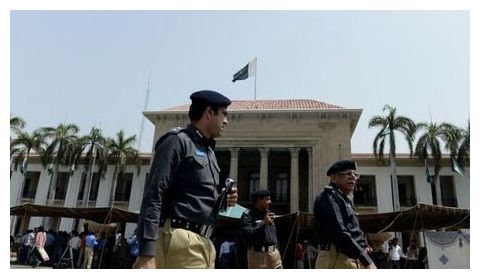


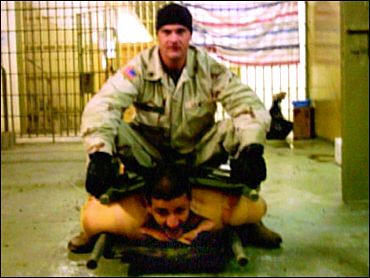









Comment: As if America's non-Gitmo trained cops weren't bad enough.